
A keychain is more than just a functional tool—it’s a personal accessory that travels with you daily. Adding a charm to it transforms an ordinary set of keys into a statement of individuality. Whether it’s a sleek metal emblem, a handmade tassel, or a sentimental trinket, a bag charm offers subtle flair without overwhelming your look. But the real challenge isn’t choosing the charm—it’s attaching it securely so it stays put through commutes, pocket drops, and purse shuffles. The best solutions balance simplicity, durability, and aesthetic harmony.
This guide walks through proven, practical methods to attach a bag charm to your keychain with confidence. From selecting the right hardware to avoiding common pitfalls, these techniques ensure your charm enhances your style without becoming a loose liability.
Why Attach a Charm to Your Keychain?
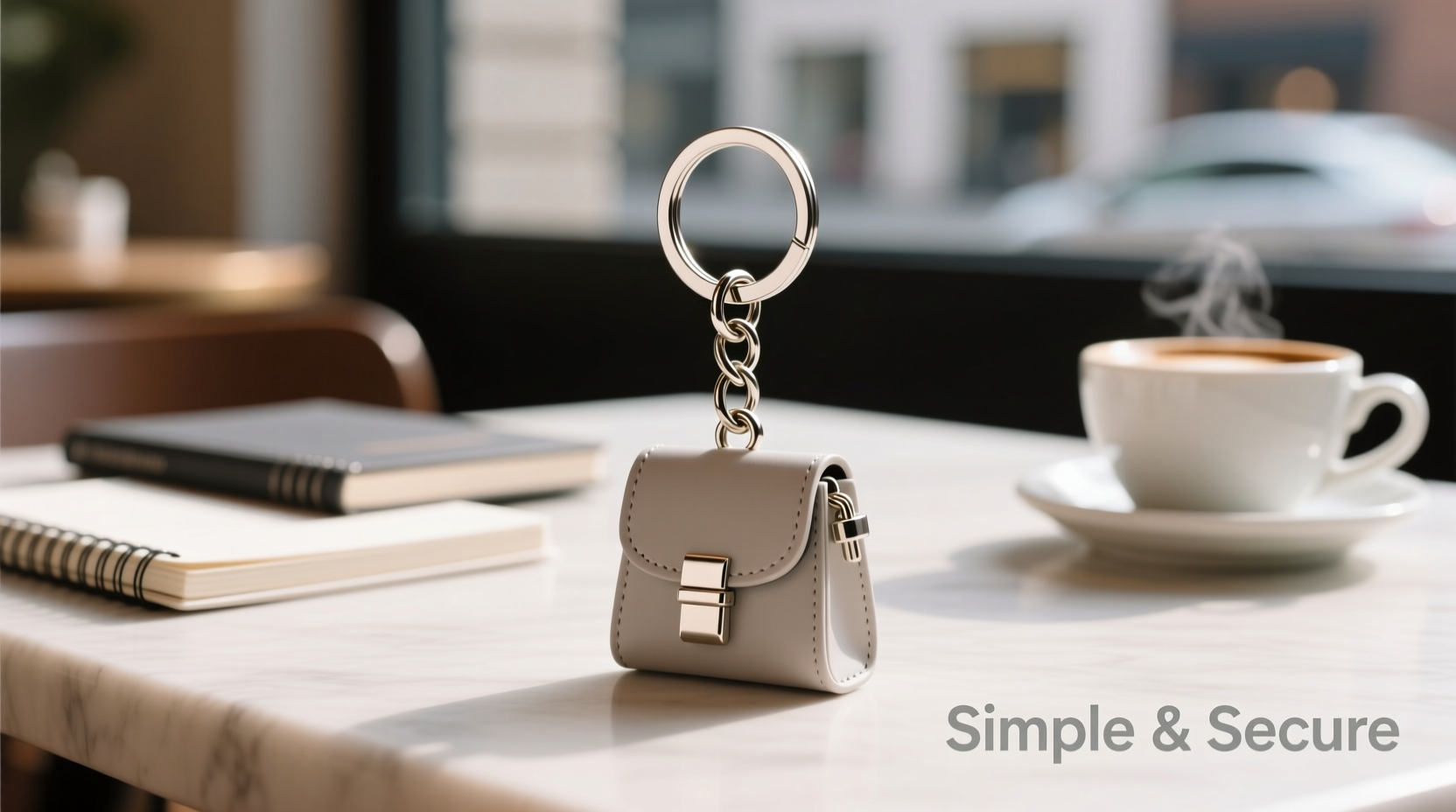
Keychains are among the most frequently handled accessories in daily life. Attaching a charm serves multiple purposes beyond decoration:
- Personalization: A charm reflects personality, interests, or memories—like a vintage compass for travelers or a tiny book for readers.
- Functionality: Distinctive charms help identify your keychain quickly in a crowded pile or dimly lit bag.
- Emotional value: Many charms carry sentimental weight—a gift from a loved one, a souvenir from a trip, or a symbol of achievement.
- Style cohesion: Matching your charm to your bag, watch, or jewelry creates a curated aesthetic.
The key is ensuring that this small detail doesn’t become a point of frustration due to breakage or loss.
Choosing the Right Charm and Attachment Method
Not all charms are created equal when it comes to durability and compatibility with keychains. The attachment method depends on three factors: the charm’s design, the keyring size, and your daily routine.
Before selecting a method, assess your charm:
- Material: Metal charms last longer than resin or ceramic, which can crack under pressure.
- Weight: Heavy charms strain connections; keep them under 30 grams unless using reinforced links.
- Attachment point: Look for a closed loop or integrated clasp. Open jump rings from cheap jewelry often loosen over time.
Similarly, examine your keyring. Standard split rings (the double-loop kind) work best with small connectors, while larger O-rings or carabiner-style clips allow easier charm swapping.
Step-by-Step Guide: Secure Attachment Methods
Here are four reliable ways to attach a charm, ranked by security and ease.
1. Using a Mini Split Ring (Most Secure)
Ideal for charms with no built-in clasp but a small hole or loop.
- Open the mini split ring using needle-nose pliers by twisting sideways (never pulling apart).
- Slide the charm onto the ring.
- Hook the loaded split ring onto your keychain.
- Close the ring fully until the ends meet flush.
2. Lobster Clasp + Keychain Ring (Best for Frequent Swapping)
Perfect if you like to rotate charms seasonally or match outfits.
- Attach a small lobster clasp to the charm’s loop using a jump ring (soldered or tightly closed).
- Clip the lobster clasp directly onto the keyring.
- Ensure the clasp snaps shut firmly—test by gently tugging.
This method allows one-handed changes and holds strong under daily stress.
3. Keyring Bead Spacer (Stylish & Tangle-Free)
Useful when adding multiple small charms without clutter.
- Select a decorative bead with a wide enough hole to fit over your keyring.
- Slide the bead onto the keyring first, then add the charm via its own split ring.
- Place another bead after the charm to lock it in place.
Beads act as visual anchors and prevent charms from sliding into key teeth, reducing wear.
4. Silicone Keychain Sleeve with Charm Insert
A modern, minimalist option for lightweight charms.
- Choose a flexible silicone sleeve that fits snugly over your keyring.
- Insert a flat charm (e.g., engraved disc or acrylic tag) into a designated slot or pocket.
- Seal the sleeve—some models snap shut or use adhesive flaps.
This protects both keys and charm while offering a clean, unified look.
Do’s and Don’ts: Avoiding Common Mistakes
| Do’s | Don’ts |
|---|---|
| Use pliers to open and close split rings properly | Force open jump rings with fingers—they lose tension |
| Match charm weight to keyring strength | Add heavy pendants to thin chains—they’ll snap |
| Inspect attachments monthly for wear | Ignore frayed loops or bent clasps |
| Choose tarnish-resistant metals (e.g., surgical steel) | Use costume jewelry parts exposed to sweat or rain |
“Most charm losses happen not from poor design, but from mismatched components. A $5 charm on a quality split ring lasts longer than a $50 one on a flimsy jump ring.” — Daniel Ruiz, Accessory Design Consultant
Real Example: How Sarah Keeps Her Travel Charm Secure
Sarah, a frequent traveler and urban commuter, wanted to attach a small brass globe charm—picked up in Lisbon—to her everyday keychain. She initially used a thin silver jump ring from a craft kit, but it snapped within two weeks from jostling in her backpack.
After researching better options, she switched to a 6mm stainless steel split ring opened with precision pliers. She also added a clear silicone bead spacer between the charm and her house key to reduce friction. Over eight months of daily use, including international trips and bike rides, the charm remains intact and polished.
Her solution combined material quality, proper tools, and smart spacing—proving that longevity comes from attention to detail, not complexity.
Checklist: Secure Charm Attachment in 5 Steps
Follow this checklist before attaching your charm:
- ✅ Confirm the charm has a secure loop or attachment point.
- ✅ Select an appropriate connector: split ring, lobster clasp, or bead spacer.
- ✅ Match the connector size to your keyring diameter.
- ✅ Use proper tools (e.g., pliers) to avoid damaging metal.
- ✅ Test security by gently shaking the keychain—no wobbling or opening.
Frequently Asked Questions
Can I attach a charm without tools?
Yes, if the charm has a lobster clasp or opens with a spring ring. However, for long-term security, using needle-nose pliers ensures connectors are fully closed and tensioned.
Will a charm damage my keys or bag?
Potentially, if not managed. Hard metal charms can scratch key teeth or bag linings. Use soft spacers like silicone beads or fabric tassels to buffer contact. Avoid sharp-edged charms in tight zipper pockets.
How do I clean a charm without removing it?
For light cleaning, wipe with a microfiber cloth dampened with water. For deeper cleaning, remove the charm to avoid moisture seeping into key mechanisms. Never submerge a keychain with electronic fobs or trackers.
Final Thoughts: Style Meets Substance
A well-attached bag charm does more than decorate—it completes a personal toolkit. The difference between a fleeting trend and a lasting signature lies in execution. By choosing durable materials, applying correct techniques, and maintaining awareness of wear, you ensure your charm remains a trusted companion, not a forgotten casualty at the bottom of your bag.
Small details define daily elegance. Take a moment today to inspect your keychain. Is your charm secure? Does it reflect who you are? With the right approach, even the tiniest accessory can carry meaning, memory, and unmistakable style.




 浙公网安备
33010002000092号
浙公网安备
33010002000092号 浙B2-20120091-4
Comments
No comments yet. Why don't you start the discussion?