
Car keys are among the most frequently used personal items, yet they're also among the easiest to misplace. Whether you're rushing out the door, juggling groceries, or navigating a crowded office, having quick, reliable access to your keys can save time, reduce stress, and even prevent missed appointments. One practical solution is attaching a keychain lanyard—offering both convenience and security. The right method ensures your keys stay accessible without risking loss or damage. This guide explores proven, user-friendly techniques to securely attach a lanyard to your car keys, balancing simplicity with durability.
Why Use a Keychain Lanyard?
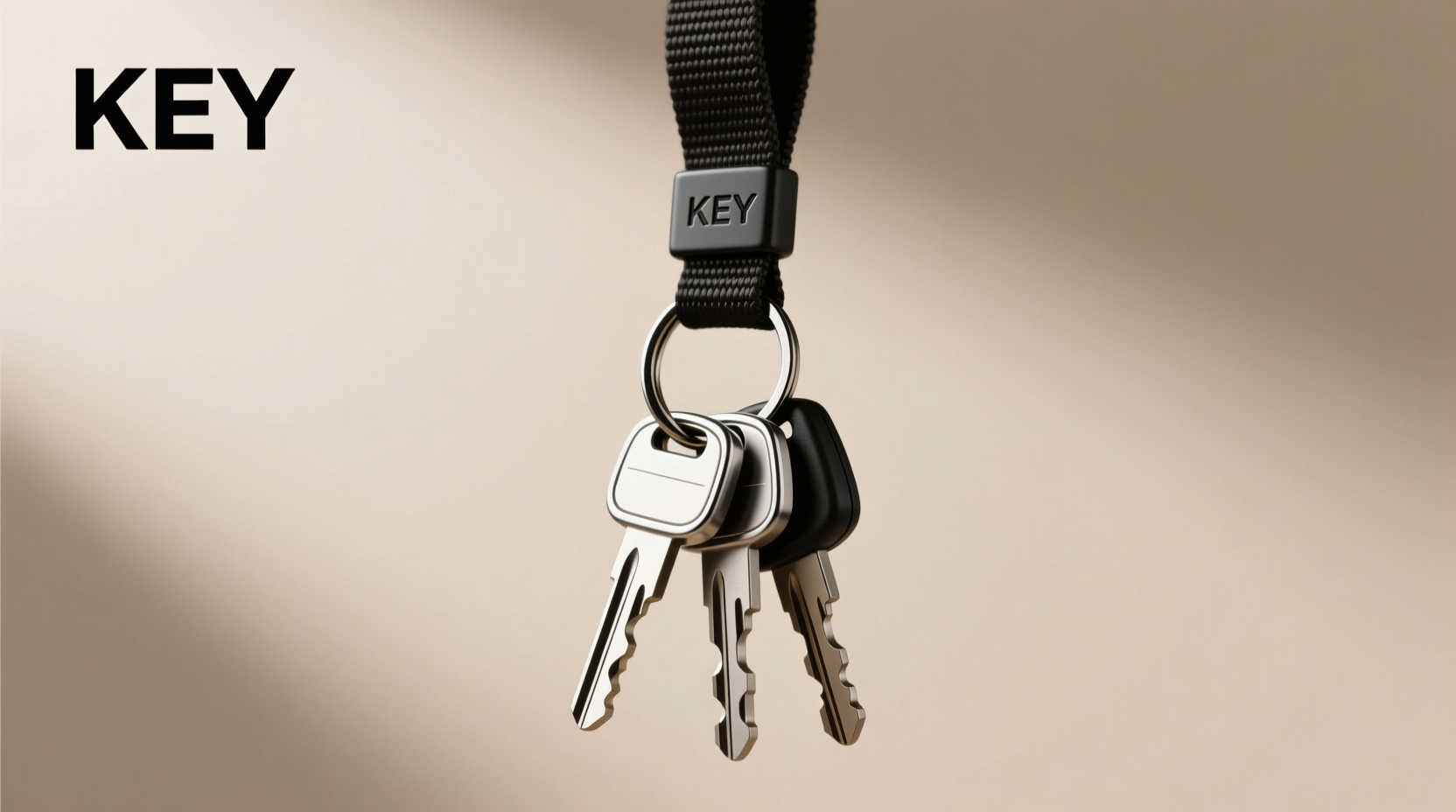
A lanyard transforms how you carry your keys. Instead of digging through pockets or bags, you can keep them within reach at all times. This is especially useful for professionals on the move, parents managing multiple items, or anyone prone to misplacing small objects. Beyond convenience, a lanyard adds a layer of security—reducing the chance of dropping keys in public or leaving them behind on a counter. When attached properly, it withstands daily wear while remaining unobtrusive.
Types of Lanyards and Attachments
Not all lanyards are created equal. Understanding the options helps you select the best fit for your lifestyle and key setup.
- Neck lanyards: Ideal for hands-free access; commonly used in workplaces or events.
- Wrist lanyards: Compact and discreet, great for walking, cycling, or travel.
- Retractable reels: Extendable cord systems that keep keys close but out of sight.
- Clip-style lanyards: Feature swivel hooks or carabiners for easy attachment and detachment.
The attachment point matters just as much as the lanyard type. Most car keys come with a small hole or loop, but modern smart keys may lack this feature, requiring alternative methods.
Common Attachment Points on Car Keys
| Key Type | Attachment Option | Pros | Cons |
|---|---|---|---|
| Traditional metal key + fob | Keyring through hole | Simple, secure, widely compatible | Limited to keys with holes |
| Smart key fob (no hole) | Slide-on silicone sleeve with loop | Protects fob, adds attachment point | May not fit all models |
| Folding key | Split ring expansion | Preserves original design | Risk of snagging fabric |
| Keyless entry remote | Adhesive-backed loop patch | No modification needed | Less durable over time |
Step-by-Step Guide: Securely Attaching a Lanyard
Follow this straightforward process to ensure your lanyard stays firmly in place through daily use.
- Gather materials: Your lanyard, car keys, split key ring (if needed), pliers, and optional protective sleeve.
- Inspect the key fob: Check for a built-in hole or loop. If none exists, consider adding a silicone cover with a keyring slot.
- Open the split ring: Using needle-nose pliers, gently twist the coil open just enough to slide on the lanyard’s metal loop.
- Add keys and lanyard: Thread the opened ring through the keyring hole, then add the lanyard’s attachment loop before closing.
- Close securely: Align the ring ends and press closed with pliers. Ensure no gap remains that could catch on fabric.
- Test tension: Gently pull the lanyard to confirm it holds firm. Shake the keys to simulate movement.
Alternative Methods for Key Fobs Without Holes
Many modern vehicles come with sleek, minimalist key fobs that lack traditional attachment points. Here are three reliable workarounds:
1. Silicone Protective Sleeve with Loop
These sleeves snugly fit over your fob and include a molded metal or plastic loop. They offer dual benefits: protection from drops and scratches, plus a secure anchor for lanyards. Available in various colors and textures, they’re a popular choice among urban commuters.
2. Adhesive Key Ring Tabs
Small epoxy-reinforced stickers with embedded loops adhere directly to the back of the fob. While not as permanent as mechanical solutions, they provide a no-drill option. For better longevity, choose UV-resistant adhesive versions designed for outdoor gear.
3. Zip Tie Integration
A low-cost, temporary fix involves using a nylon zip tie through the lanyard loop and around the fob body. Trim excess carefully. Though effective, this method may look less polished and isn’t recommended for high-end vehicles or formal settings.
“Even the smallest design changes—like adding a lanyard loop—can significantly improve usability and reduce loss rates.” — Daniel Reyes, Industrial Designer & Accessory Innovator
Real-World Example: How a Teacher Streamlined Her Routine
Sarah, a middle school teacher in Portland, carried her keys, ID badge, and classroom clicker on separate clips. During recess duty, she once dropped her keys into a rain gutter while adjusting her bag. After replacing the fob at considerable cost, she decided to consolidate. She purchased a wrist lanyard with a swivel hook and added a silicone sleeve to her smart key. Now, everything attaches to one retractable reel clipped to her belt loop. “I haven’t lost anything in eight months,” she says. “And I can open doors without putting down my coffee.”
Checklist: Secure Lanyard Setup in 5 Steps
- ✅ Identify whether your key has an existing attachment point
- ✅ Select a lanyard style suited to your daily activities
- ✅ Use proper tools (e.g., pliers) to open and close split rings safely
- ✅ Reinforce weak points with protective sleeves or adhesive tabs if needed
- ✅ Test the connection under simulated real-world conditions
Common Mistakes to Avoid
Even simple setups can go wrong when shortcuts are taken. Steer clear of these pitfalls:
- Forcing open cheap key rings: Low-quality rings crack easily. Invest in stainless steel versions.
- Overloading the lanyard: Adding too many items increases strain and risk of breakage.
- Ignoring ergonomics: A long neck lanyard can tangle during driving; opt for shorter lengths or wrist styles.
- Using damaged hardware: Frayed cords or bent clasps should be replaced immediately.
Frequently Asked Questions
Can I attach a lanyard to a key fob without drilling or modifying it?
Yes. Use a form-fitting silicone sleeve with a built-in loop or apply a strong adhesive-backed key tab. Both preserve the fob’s integrity and warranty.
Is it safe to wear a key lanyard around my neck every day?
Generally yes, but choose a lanyard with a breakaway clasp that releases under sudden force. This prevents choking hazards if the lanyard snags on equipment or furniture.
Will a lanyard interfere with my key fob’s signal?
No. Lanyards made from fabric, nylon, or plastic do not block RF signals. However, avoid wrapping metal components tightly around the fob’s antenna area (usually near the buttons).
Final Thoughts: Make Access Effortless
Attaching a lanyard to your car keys doesn’t require technical expertise—just attention to detail and a focus on durability. Whether you prefer a minimalist wrist strap or a full-length neck cord, the goal remains the same: keeping your keys secure and instantly available. By selecting the right materials, using proper installation techniques, and learning from real-life applications, you create a system that works seamlessly with your routine. Small changes like this compound over time, reducing frustration and boosting efficiency.




 浙公网安备
33010002000092号
浙公网安备
33010002000092号 浙B2-20120091-4
Comments
No comments yet. Why don't you start the discussion?