
Colorado chili stands apart from its Tex-Mex cousins with a bold, clean profile built on slow-simmered meat and deeply roasted red chile peppers—no beans, no tomatoes. This regional specialty from the American Southwest delivers a complex, earthy heat that warms the body and satisfies the soul. For home cooks new to chili-making or unfamiliar with Southwestern flavors, this beginner-friendly version demystifies the process without sacrificing authenticity. With straightforward techniques, accessible ingredients, and clear guidance, this recipe delivers restaurant-quality results in under two hours. Whether you're cooking for comfort, preparing for game day, or exploring regional American cuisines, mastering Colorado chili is a valuable addition to any kitchen repertoire.
Definition & Overview
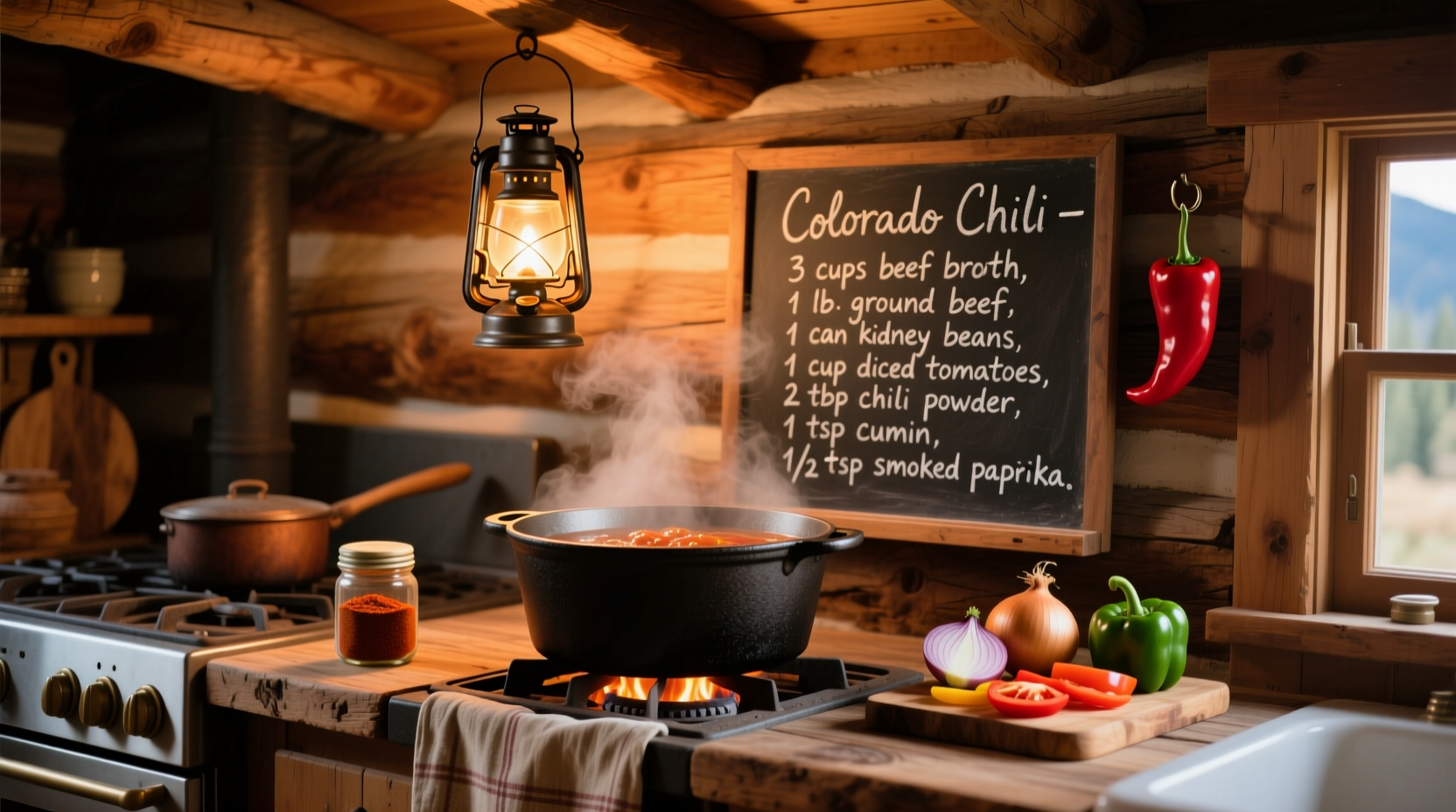
Colorado chili—also known as “chili Colorado” or “red chili”—originates from the high desert regions of Colorado and northern New Mexico. Unlike Texas-style chili, which may include cumin-heavy blends and sometimes tomatoes, or Cincinnati chili with its Mediterranean spices, Colorado chili centers on one dominant ingredient: rehydrated dried red chile peppers. These are blended into a smooth, rich sauce that coats tender chunks of beef, creating a dish that is both rustic and refined.
The term “Colorado” in this context refers not to the state alone but to the broader culinary tradition of using deep red, sun-dried chiles such as guajillo, ancho, or Colorado (also called chile seco del norte). The flavor profile is robust, slightly sweet, smoky, and moderately spicy—not overwhelmingly hot, but layered and savory. It functions both as a standalone stew and as a base for dishes like chile con carne burritos, huevos rancheros, or enchiladas.
Authentic Colorado chili does not include beans or tomatoes, distinguishing it from many commercial or Midwestern interpretations. Instead, it relies on the natural depth of roasted chiles, aromatics, and well-browned meat to build complexity. This purity of ingredients makes it ideal for beginners who want to understand how foundational elements—like proper browning, deglazing, and controlled simmering—elevate simple components into something extraordinary.
Key Characteristics
| Attribute | Description |
|---|---|
| Flavor Profile | Earthy, mildly sweet, smoky, with moderate heat and subtle fruitiness from dried chiles |
| Aroma | Toasted pepper, roasted garlic, warm beef, faint woodsmoke |
| Color | Deep rust-red to mahogany; opaque and velvety |
| Heat Level | Moderate (3–5/10); adjustable based on chile selection |
| Culinary Function | Main course stew, filling for tacos/enchiladas, base for soups |
| Shelf Life | Up to 4 days refrigerated, 3 months frozen; improves overnight |
| Texture | Tender beef in thick, cohesive sauce—neither brothy nor dry |
Practical Usage: How to Make Colorado Chili at Home
This simplified Colorado chili recipe uses common kitchen tools and requires no specialty equipment. The method emphasizes technique over complexity: browning meat properly, rehydrating chiles effectively, blending smoothly, and simmering long enough to meld flavors. Follow these steps precisely for best results.
Ingredients (Serves 6)
- 2 lbs (900g) boneless beef chuck roast, cut into 1-inch cubes
- 3 oz (85g) dried chile Colorado (or substitute guajillo + ancho, 2:1 ratio)
- 1 large yellow onion, diced
- 4 cloves garlic, minced
- 2 tbsp vegetable oil or beef tallow
- 4 cups (950ml) low-sodium beef broth, divided
- 1 tsp dried oregano (Mexican preferred)
- 1 tsp ground cumin (optional, regional variation)
- 1 bay leaf
- Salt to taste (start with 1 tsp)
- Optional garnish: chopped white onion, fresh cilantro, shredded cheese, lime wedges
Step-by-Step Instructions
- Prepare the chiles: Remove stems and seeds from dried chiles. Heat a skillet over medium heat and toast chiles for 15–20 seconds per side until fragrant but not burnt. Transfer to a bowl and cover with 2 cups hot beef broth. Let soak for 20–30 minutes until soft.
- Brown the beef: Pat beef cubes dry with paper towels. In a heavy pot or Dutch oven, heat 1 tbsp oil over medium-high heat. Working in batches, brown meat on all sides, about 6–8 minutes per batch. Avoid crowding to ensure proper searing. Transfer browned meat to a plate.
- Sauté aromatics: In the same pot, add remaining oil and sauté onions for 5 minutes until translucent. Add garlic and cook 1 minute more. Scrape up any browned bits (fond), which adds flavor.
- Blend the chile puree: Drain soaked chiles, reserving soaking liquid. Blend chiles with 1 cup of warm broth and oregano until completely smooth, 1–2 minutes. Add more liquid if needed to achieve pourable consistency.
- Combine and simmer: Return beef to the pot. Stir in chile puree, remaining broth, cumin (if using), bay leaf, and salt. Bring to a gentle boil, then reduce to a low simmer. Cover partially and cook for 1 hour 15 minutes, stirring occasionally, until beef is fork-tender and sauce has thickened.
- Final adjustments: Remove bay leaf. Taste and adjust salt. If too thick, add broth ¼ cup at a time. If too thin, simmer uncovered 10–15 minutes longer.
Pro Tip: For deeper flavor, marinate the raw beef in ½ cup of the chile puree for 1–2 hours before browning. This enhances penetration of chile essence into the meat fibers.
Variants & Types of Colorado Chili
While the core concept remains consistent—meat-based, chile-driven, bean-free—regional and household variations exist. Understanding these helps adapt the recipe to personal taste or ingredient availability.
Traditional Colorado (High Country Style)
Uses only native chiles like chile Colorado or chiltepin. Minimal spices—often just garlic, onion, and oregano. No cumin or tomatoes. Emphasizes clarity of chile flavor.
Northern New Mexican Influence
May include a small amount of ground cumin and roasted green chiles added at the end for contrast. Often served over carne adovada-style potatoes or with sopapillas.
Modern Home Cook Version
Some add a splash of apple cider vinegar for brightness or a pinch of cocoa powder for depth. While not traditional, these tweaks can balance richness without masking the chile character.
Slow Cooker Adaptation
After browning meat and blending chile puree, transfer everything to a slow cooker. Cook on Low for 7–8 hours or High for 4–5. Ideal for hands-off preparation.
Alternative Meats
- Buffalo/Venison: Lean game meats pair exceptionally well with the earthy chile sauce. Add 1 tbsp lard during cooking to prevent dryness.
- Pork Shoulder: Offers a sweeter, fattier profile. Reduce simmer time by 15 minutes.
- Chicken: Use bone-in thighs for better flavor. Simmer only 45 minutes to avoid overcooking.
| Variant | Key Features | Best For |
|---|---|---|
| Classic Beef | Rich, hearty, traditional | Winter meals, gatherings |
| Game Meat (Venison/Buffalo) | Leaner, iron-rich, intense | Health-conscious, adventurous eaters |
| Weeknight Express | Pre-made chile paste, pressure cooker | Time-limited cooks |
| Vegetarian \"Chili Colorado\" | Mushrooms + lentils, chile puree base | Plant-based diets (not traditional) |
Comparison with Similar Chili Styles
Colorado chili is often confused with other regional varieties. Understanding the differences ensures accurate preparation and sets proper expectations.
| Feature | Colorado Chili | Texas Red Chili | Cincinnati Chili | Chili Verde |
|---|---|---|---|---|
| Base Ingredient | Dried red chiles | Beef + chile powder | Ground beef + spices | Tomatillos + green chiles |
| Beans? | No | Sometimes | No | No |
| Tomatoes? | No | Rarely | Yes (paste) | Yes (in tomatillos) |
| Spices | Oregano, garlic (minimal) | Cumin, garlic powder | Cinnamon, cloves, allspice | Cumin, coriander |
| Meat Cut | Chuck, round | Round, brisket | Ground beef | Pork shoulder |
| Serving Style | Stew, with tortillas | Bowl, Frito pie | Over spaghetti (\"3-way\") | Tacos, enchiladas |
\"The soul of Colorado chili lies in the chile, not the spice rack. It’s about terroir—the sun-drenched fields where those peppers ripen, their skins thickened by arid winds. You’re not making chili; you’re translating land into flavor.\" — Chef Elena Martinez, Santa Fe School of Cooking
Practical Tips & FAQs
What kind of dried chiles should I use?
True chile Colorado (chile del norte) is ideal but hard to find outside the Southwest. Substitute with a blend: 2 parts guajillo (for tang and color) + 1 part ancho (for sweetness and depth). Avoid arbol or habanero unless seeking extreme heat.
Can I make it less spicy?
Yes. Remove all seeds and inner membranes from chiles before soaking. Use primarily ancho chiles, which rate 1,000–2,000 SHU (Scoville units), compared to guajillo’s 2,500–4,000. You can also dilute the puree with extra broth.
How do I store and reheat leftovers?
Cool within 2 hours and store in airtight containers. Refrigerate up to 4 days or freeze up to 3 months. Reheat gently on the stove with a splash of broth to restore texture. Flavor improves after 24 hours as spices mellow and integrate.
Can I use canned chiles?
Not recommended. Canned red chiles are typically jalapeños or chipotles in adobo, which have vinegar and smoke profiles incompatible with authentic Colorado chili. Stick to whole dried chiles for correct flavor balance.
Why didn’t my sauce thicken?
The sauce should reduce naturally during simmering. If still thin, simmer uncovered for 10–20 minutes. Alternatively, mix 1 tsp cornstarch with 1 tbsp cold water and stir in, heating until thickened. However, this is non-traditional—time and evaporation are preferred.
Is this gluten-free?
Yes, provided you use certified gluten-free beef broth. The recipe contains no grains, flours, or additives.
What to serve with Colorado chili?
- Warm corn tortillas or flour tortillas
- Spanish rice or roasted potatoes
- Avocado slices or guacamole
- Queso fresco or sharp cheddar
- Radish slaw or pickled red onions
Make-Ahead Strategy: Prepare the chile puree and brown the meat a day in advance. Combine and simmer the next day—this cuts active prep time to 15 minutes. Chili always tastes better after resting.
Summary & Key Takeaways
Colorado chili is a masterclass in simplicity and depth. By focusing on quality ingredients and fundamental techniques, even novice cooks can produce a dish that resonates with authenticity and flavor. The absence of beans and tomatoes is not an omission but a deliberate choice to highlight the nuanced character of roasted red chiles.
Key points to remember:
- Always toast and rehydrate dried chiles—they form the soul of the dish.
- Brown the meat thoroughly; fond = flavor.
- Simmer gently for at least 75 minutes to tenderize meat and develop sauce cohesion.
- Adjust heat by chile type and seed retention.
- Store and reheat properly—this chili ages well.
- Pair with simple starches and fresh garnishes to balance richness.
This recipe serves as both an introduction to Southwestern cuisine and a foundation for future experimentation. Once mastered, consider branching into related preparations: chile Colorado rubbed steaks, braised short ribs in chile sauce, or breakfast hashes with leftover chili.
Try this Colorado chili recipe this week and experience how minimal ingredients, when treated with care, yield maximum satisfaction. Share your results with #RealColoradoChili and tag a friend who needs more warmth in their kitchen.




 浙公网安备
33010002000092号
浙公网安备
33010002000092号 浙B2-20120091-4
Comments
No comments yet. Why don't you start the discussion?