
In an age where digital minimalism and capsule wardrobes are trending, the demand for minimalist bags has surged. Sleek lines, neutral tones, and clutter-free interiors define these designs—but do they hold up in real life? For commuters, urban professionals, and travelers alike, the choice between a simple design commuting bag and a crossbody often comes down to aesthetics versus function. The deeper question isn’t just about style—it’s whether a minimalist bag can truly meet the demands of a full day on the move.
Minimalist doesn’t have to mean impractical. But without thoughtful design, even the most elegant bag can fall short when you're rushing between meetings, hauling a laptop, or navigating crowded subways. This article breaks down the strengths and limitations of minimalist commuting bags and crossbody styles, evaluates their real-world usability, and offers guidance on choosing one that balances form and function.
The Rise of Minimalist Bag Design
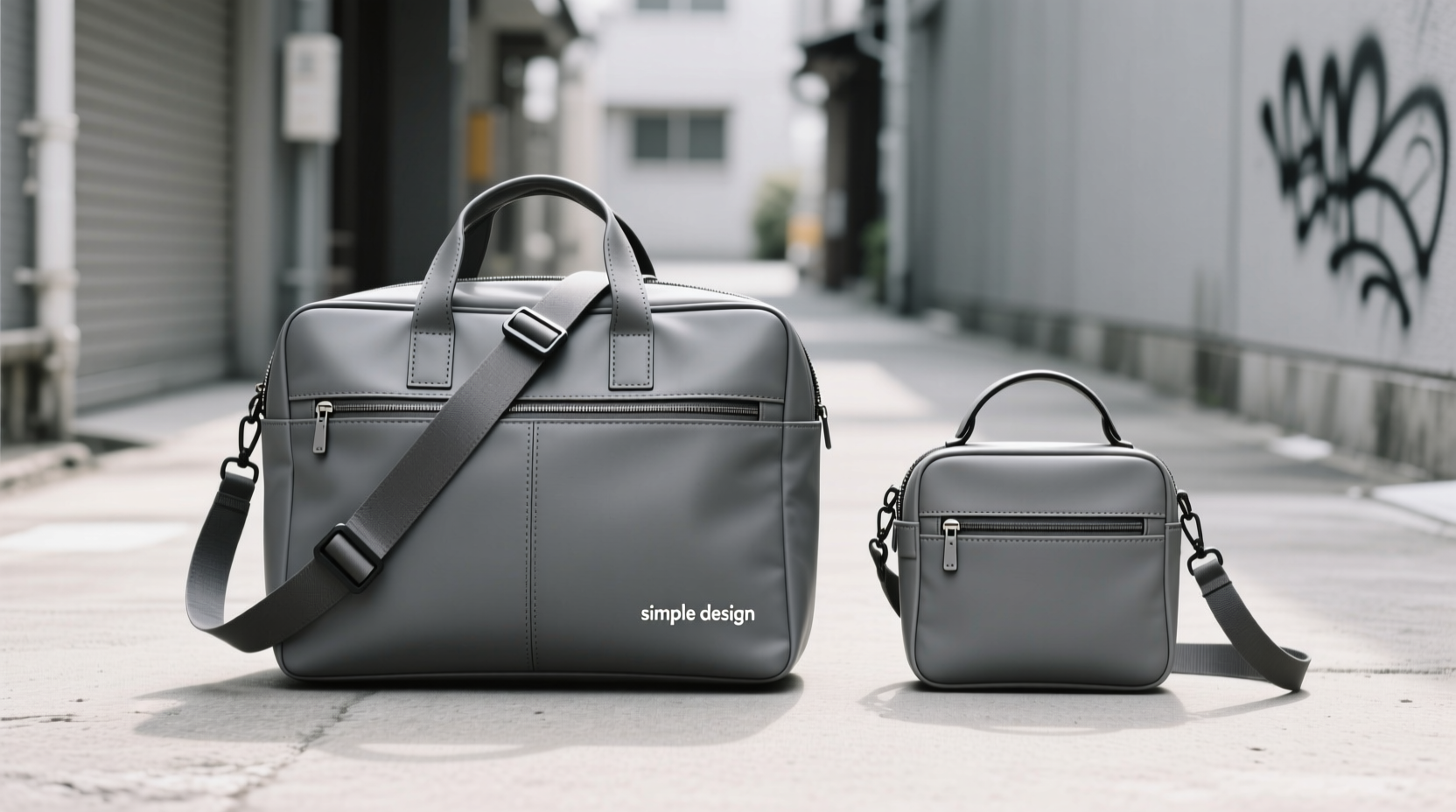
Minimalist bags have gained popularity not just for their aesthetic appeal but also for what they represent: intentionality, efficiency, and reduced decision fatigue. Brands like Bellroy, Aer, and Totepack have built reputations on clean silhouettes, high-quality materials, and smart internal organization—proving that less can be more, if designed well.
These bags typically feature:
- Fewer compartments (or none at all)
- No external branding or logos
- Durable, low-maintenance fabrics like water-resistant nylon or vegetable-tanned leather
- Neutral color palettes—black, gray, beige, navy
But while minimalism appeals to our desire for simplicity, it can clash with the messy reality of daily carry: chargers, notebooks, wallets, keys, snacks, and multiple devices. The core tension lies in whether removing “extra” features also removes necessary utility.
Commuting Bag vs Crossbody: Key Differences
To understand which minimalist option works best, it helps to examine the fundamental differences between a minimalist commuting bag and a minimalist crossbody.
| Feature | Minimalist Commuting Bag | Minimalist Crossbody |
|---|---|---|
| Capacity | Medium to high (fits 13–15\" laptop, documents, accessories) | Low to medium (phone, wallet, keys, small notebook) |
| Wear Style | Shoulder or backpack straps | Single strap over chest or shoulder |
| Mobility | Balanced weight distribution; stable during transit | Can shift or bounce during movement |
| Security | Front-access pockets reduce pickpocket risk | High—worn close to body, harder to access unnoticed |
| Comfort (Long-term) | Better for extended wear due to padding and support | Strap pressure on shoulder/neck after hours |
| Aesthetic Flexibility | Professional, suitable for office settings | Casual, ideal for weekends or light errands |
The commuting bag excels in capacity and comfort for longer durations, making it a go-to for professionals. The crossbody wins in security and convenience for quick trips, but often sacrifices space and ergonomic balance.
When Minimalism Falls Short: Real-World Limitations
Minimalist bags aren't inherently flawed—but their success depends on how closely your lifestyle aligns with their design philosophy. A bag with no pockets might look clean, but fumbling for your metro card while holding coffee defeats the purpose of simplicity.
Common pain points include:
- Lack of organization: No dedicated slots for pens, cables, or IDs lead to chaos inside.
- Over-reliance on memory: Without visual cues, finding items becomes guesswork.
- Compromised durability: Some ultra-thin minimalist bags sacrifice structural integrity for sleekness.
- Poor weather resistance: Not all minimalist designs use water-resistant materials, risking damage to electronics.
“Minimalism in design should enhance usability, not hinder it. The best minimalist bags make essentials easier to access—not harder.” — Daniel Kim, Product Designer at Urban Gear Labs
A Day in the Life: A Mini Case Study
Take Sarah, a UX designer in downtown Seattle. Her morning routine includes a 45-minute bike commute, two client meetings, a coffee shop work session, and grocery pickup on the way home. She initially chose a minimalist crossbody for its lightweight feel and modern look.
By midweek, she was frustrated. Her phone and wallet fit, but her AirPods case rolled to the bottom, her reusable cutlery set had no place, and she couldn’t carry her sketchbook. Rainy days made things worse—no room for an umbrella, and no water resistance meant she had to wrap her phone in a plastic bag.
She switched to a minimalist commuter backpack with a hidden rain cover, magnetic front pocket, and interior sleeve for her tablet. Though slightly larger, it maintained clean lines and finally matched her actual needs. The lesson? Minimalism works only when it serves the user—not just the designer’s vision.
How to Choose a Practical Minimalist Bag
Not all minimalist bags are created equal. To ensure yours is both stylish and functional, follow this checklist before purchasing:
Minimalist Bag Selection Checklist
- ✅ Includes at least one quick-access exterior pocket for phone/wallet
- ✅ Offers secure closure (zipper, magnetic snap, or roll-top)
- ✅ Has padding or structure to protect contents
- ✅ Uses water-resistant or easy-to-clean material
- ✅ Fits your essential tech (laptop/tablet dimensions verified)
- ✅ Weight distribution supports long wear (padded straps, balanced shape)
- ✅ Interior layout prevents item scrambling (sub-pockets or dividers)
Ask yourself: Does this bag reduce friction in my day, or add to it? If the answer isn’t clearly “reduce,” keep looking.
FAQ: Common Questions About Minimalist Bags
Can a minimalist bag hold everything I need for work?
Yes—if carefully chosen. Look for models with a 13–15\" laptop compartment, a discreet water bottle side pocket, and a front organizer panel. Avoid those with only one main cavity unless you carry very little.
Are crossbody bags safe for travel?
Generally, yes—especially anti-theft models with slash-proof straps and RFID-blocking pockets. Their proximity to your body makes them harder to snatch than shoulder bags. However, they’re not ideal for carrying heavy loads over long distances.
Do minimalist bags last longer than traditional ones?
Not necessarily. Longevity depends on materials and construction, not minimalism. A well-made minimalist bag from durable fabric and solid stitching can outlast a bulky, poorly constructed alternative. But cheap minimalist designs often cut corners on hardware and seams.
Final Verdict: Is Minimalist Practical?
Minimalist bags can be highly practical—but only when thoughtfully engineered. A simple design isn’t automatically functional. The difference between a successful minimalist bag and a frustrating one lies in intelligent details: where the zipper is placed, how the weight sits on your body, whether your transit pass is reachable without unpacking everything.
For commuting, a minimalist backpack or structured shoulder bag usually outperforms a crossbody in terms of comfort, capacity, and protection. For casual outings, dinners, or quick errands, a crossbody offers unmatched convenience and security.
The key is honesty about your daily load. If you carry more than the basics, don’t force minimalism at the cost of functionality. Instead, seek “smart minimalism”—designs that eliminate clutter without eliminating utility.




 浙公网安备
33010002000092号
浙公网安备
33010002000092号 浙B2-20120091-4
Comments
No comments yet. Why don't you start the discussion?