
When time is short and hunger strikes, few dishes deliver comfort, nutrition, and speed as reliably as a well-made cabbage soup. This humble yet deeply satisfying dish transforms humble ingredients into a warm, aromatic meal that supports digestion, boosts immunity, and fits seamlessly into clean-eating, weight-conscious, or budget-driven lifestyles. Unlike canned or processed alternatives, a homemade version allows full control over flavor, sodium levels, and texture—all while coming together in under 30 minutes using common kitchen staples. Whether you're seeking a light lunch, a detoxifying dinner, or a base for adding proteins and grains, this cabbage soup delivers on versatility without sacrificing depth.
Definition & Overview
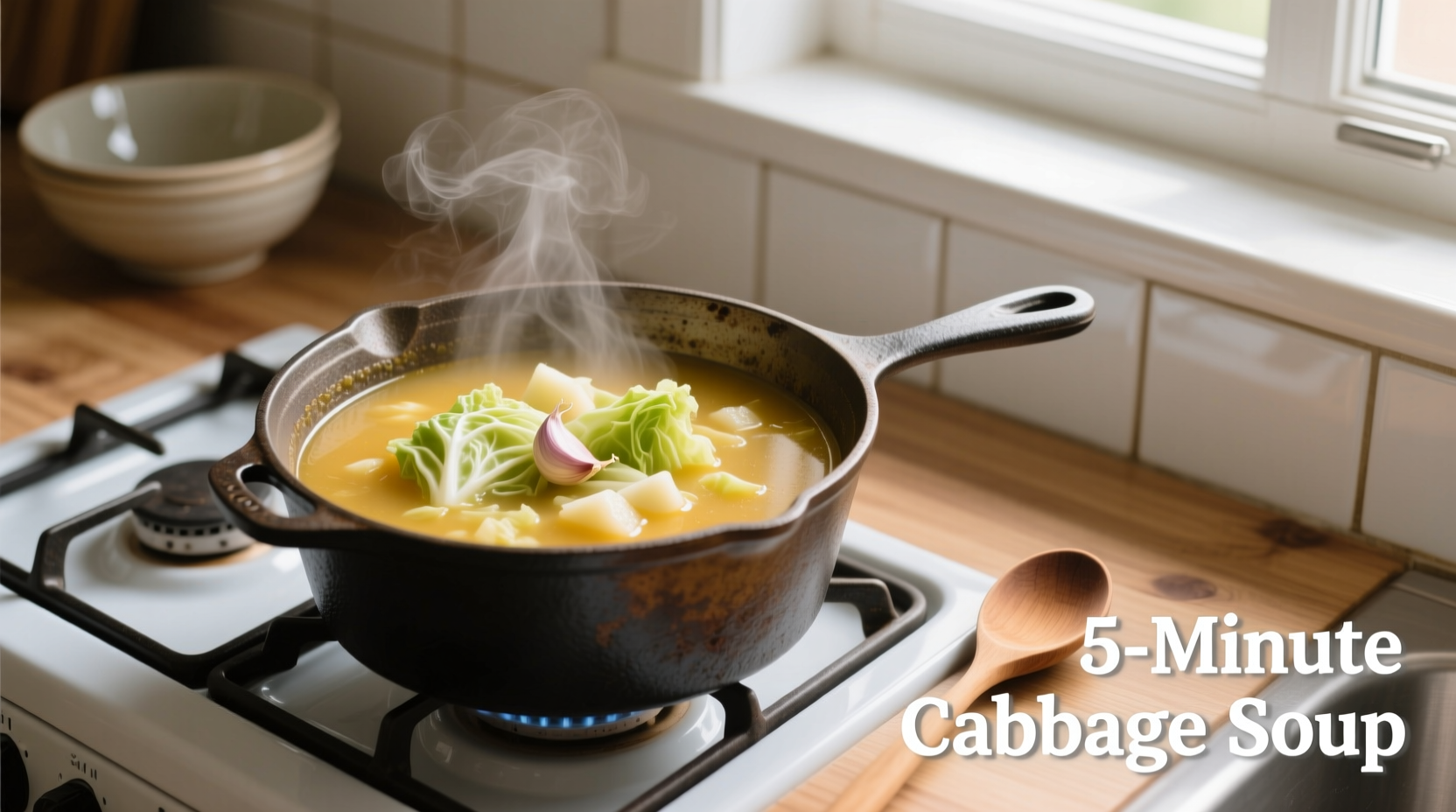
Cabbage soup is a vegetable-based broth enriched with shredded cabbage, aromatics, and seasonings. Originating in Eastern and Central European cuisines—particularly Polish, Ukrainian, and Russian traditions—it has evolved globally into countless variations, from meaty borscht adjuncts to vegan cleanse recipes. At its core, it relies on the natural sweetness of slowly softened cabbage balanced against savory notes from onion, garlic, herbs, and umami-rich liquids like tomato paste or vegetable stock.
The version described here emphasizes speed and accessibility: no long simmers, no specialty ingredients. Instead, it leverages modern cooking techniques—high-heat sautéing, concentrated flavor boosters, and efficient layering—to achieve restaurant-quality results within minutes. It’s not merely “quick”; it’s thoughtfully constructed to maximize taste and nutritional value without demanding hours at the stove.
Key Characteristics
| Attribute | Description |
|---|---|
| Flavor Profile | Savory-sweet with earthy undertones; brightened by acidity (tomato or lemon) and herbal notes (parsley, thyme) |
| Aroma | Warm, slightly sweet from cooked cabbage and onion, enhanced by garlic and bay leaf |
| Color & Texture | Pale green to golden broth with tender-crisp cabbage ribbons; can be thickened slightly with tomato paste |
| Heat Level | Mild by default; easily adjustable with red pepper flakes or black pepper |
| Culinary Function | Standalone light meal, detox base, side dish, or canvas for added proteins and grains |
| Shelf Life | Refrigerated: up to 5 days; Freezable: up to 3 months in airtight containers |
Practical Usage: How to Make It Step-by-Step
The strength of this recipe lies in its methodical layering of flavors—even in a short cook time. Each ingredient builds upon the last, creating complexity without prolonged simmering. Follow these steps precisely for optimal results:
- Prep Ingredients (5 minutes): Shred ½ medium green cabbage (about 4 cups). Finely dice 1 small onion. Mince 2 cloves garlic. Measure out 4 cups low-sodium vegetable broth (or chicken broth for non-vegetarian versions), 1 tbsp tomato paste, 1 tsp dried thyme, 1 bay leaf, salt, and freshly ground black pepper.
- Sauté Aromatics (3–4 minutes): Heat 1 tbsp olive oil in a large pot over medium heat. Add onions and cook until translucent, about 3 minutes. Stir in garlic and cook for 30 seconds—do not brown.
- Build Flavor Base: Add tomato paste and stir constantly for 1 minute. This step, known as \"blooming,\" deepens the paste’s umami and removes raw tang.
- Add Liquids and Herbs: Pour in broth gradually, scraping the bottom to lift any fond. Add thyme and bay leaf. Bring to a gentle boil.
- Incorporate Cabbage (7–10 minutes): Stir in shredded cabbage. Reduce heat to medium-low. Simmer uncovered, stirring occasionally, until cabbage is tender but still retains slight bite—critical for texture.
- Season and Finish: Remove bay leaf. Season with salt and pepper to taste. For brightness, add a splash (½–1 tsp) of lemon juice or apple cider vinegar just before serving.
Pro Tip: To enhance body and richness without cream or fat, blend ½ cup of the finished soup and stir it back in. This creates a velvety mouthfeel while keeping the dish plant-based and low-calorie.
Variants & Types
While the basic framework remains consistent, minor adjustments yield dramatically different culinary outcomes. Understanding these variants empowers cooks to tailor the soup to dietary needs, seasonal availability, or cultural preferences.
- Classic Detox Style: Features only vegetables (cabbage, onion, carrot, celery, tomato), broth, and spices. Popularized in the 1980s \"cabbage soup diet,\" though best consumed as part of a balanced regimen rather than a standalone fad.
- Meat-Enhanced Version: Brown lean ground turkey, beef, or diced ham before sautéing onions. Adds protein and heartiness, making it suitable as a main course.
- Kielbasa & White Bean: Incorporates smoked Polish sausage and cannellini beans. Deep smoky notes complement cabbage’s mildness. Common in modern rustic interpretations.
- Asian-Inspired Twist: Replace thyme with ginger and soy sauce; use miso paste instead of tomato paste. Garnish with scallions and sesame oil. Pairs well with rice noodles.
- Creamy Vegan Option: Blend soaked cashews or white beans into the broth after cooking. Adds creaminess without dairy.
Choosing the Right Type: Decision Guide
| If You Want… | Choose This Variant |
|---|---|
| Fast digestion support / light cleansing | Detox style (vegetables only) |
| High-protein meal replacement | Meat-enhanced or bean-enriched |
| Comfort food during cold months | Kielbasa & white bean |
| Global flavor exploration | Asian-inspired twist |
| Dairy-free richness | Creamy vegan option |
Comparison with Similar Ingredients
Cabbage often gets mistaken for other cruciferous greens, especially when shredded. Knowing how it differs ensures proper usage and avoids flavor mismatches.
| Ingredient | Difference from Cabbage | When to Substitute? |
|---|---|---|
| Green Kale | More fibrous, bitter, mineral-forward; requires longer cooking | Rarely direct substitute; better in blended soups or massaged raw |
| Napa Cabbage | Softer texture, milder taste, thinner ribs; cooks faster | Yes—use in quick soups or stir-in applications; reduce cook time by 3–4 minutes |
| Swiss Chard | Bright stems, leafy greens with beet-like bitterness | Only if seeking color contrast; stems need separate cooking |
| Brussels Sprouts (shredded) | Stronger, nuttier, more pungent when raw | Not recommended; alters flavor profile significantly |
\"Cabbage is one of the most underrated vegetables in home cooking. Its ability to absorb surrounding flavors while contributing subtle sweetness makes it an ideal foundation for fast soups.\" — Chef Elena Marquez, Culinary Instructor, National Institute of Healthy Cooking
Practical Tips & FAQs
Can I use frozen cabbage?
No—frozen cabbage becomes mushy and releases excessive water due to ice crystal formation. Always use fresh. However, pre-shredded bagged cabbage from refrigerated produce sections works perfectly and saves prep time.
How do I prevent gas or bloating?
Cabbage contains raffinose, a complex sugar that some people find hard to digest. To minimize discomfort:
- Cook thoroughly—raw cabbage is harder to break down.
- Add carminative spices like cumin, fennel seeds, or ginger during cooking.
- Start with smaller portions and increase gradually to build tolerance.
Is this soup good for weight loss?
Yes, when prepared mindfully. One serving (1.5 cups) of plain cabbage soup contains approximately 60–80 calories, high fiber, and minimal fat. However, avoid relying on extreme \"cabbage soup diets\" lasting more than 3–4 days, as they lack essential nutrients. Instead, integrate it into a balanced eating pattern.
What are the best garnishes?
Garnishes elevate both appearance and flavor:
- Fresh parsley or dill – adds freshness
- Grated Parmesan – enhances savoriness (omit for vegan)
- Plain Greek yogurt or sour cream – creamy contrast
- Crushed red pepper – heat boost
- Lemon wedge – serves tableside for acidity adjustment
Can I add grains or legumes?
Absolutely. Stir in ½ cup cooked quinoa, brown rice, or lentils per serving to increase satiety and nutritional density. If adding uncooked grains directly, increase broth by 1 cup and extend simmer time accordingly (e.g., +15 minutes for rice).
How should I store leftovers?
Cool completely within two hours. Store in airtight glass or BPA-free plastic containers. Refrigerate for up to 5 days. Reheat gently on the stove—microwaving may overcook the cabbage. Freeze in portion-sized containers for up to 3 months; thaw overnight in refrigerator before reheating.
Why does my soup taste flat?
Flatness usually stems from insufficient seasoning or missing acid. Taste before serving and adjust:
- Salt – enhances overall perception of flavor
- Acid – lemon juice or vinegar lifts heaviness
- Umami – extra tomato paste or dash of soy sauce deepens savoriness
Summary & Key Takeaways
Simple homemade cabbage soup is far more than a passing diet trend—it's a timeless, adaptable preparation rooted in global culinary tradition. Prepared correctly, it offers a harmonious balance of flavor, texture, and nourishment in minimal time. The key principles are straightforward: layer aromatics properly, bloom concentrated ingredients like tomato paste, control cook time to preserve cabbage integrity, and finish with thoughtful seasoning.
This soup excels not only as a standalone dish but also as a flexible template. By rotating proteins, grains, herbs, and global seasonings, it transitions effortlessly from weekday lunch to weekend centerpiece. Nutritionally, it supports gut health through fiber and glucosinolates, provides antioxidants from colorful vegetables, and aligns with diverse dietary frameworks including vegan, gluten-free, and low-fat plans.
Mastering this recipe means gaining access to a reliable, scalable, and economical solution for meals under pressure—whether time, budget, or energy is limited. With practice, even novice cooks can produce a bowl that rivals those served in professional kitchens.
Final Advice: Make a double batch. Freeze half for future use. Having ready-to-reheat cabbage soup on hand eliminates decision fatigue and supports healthier daily eating habits. Once you’ve perfected the base, experiment confidently—each variation reveals new dimensions of this deceptively simple dish.




 浙公网安备
33010002000092号
浙公网安备
33010002000092号 浙B2-20120091-4
Comments
No comments yet. Why don't you start the discussion?