
Cooking a steak on a pellet grill combines the convenience of modern technology with the rich, smoky flavor traditionally reserved for charcoal or wood-fired grills. Unlike gas grills that rely solely on convection, pellet grills use real hardwood pellets to infuse meat with subtle aromatic notes—think hickory, mesquite, or applewood—while maintaining precise temperature control. This makes them ideal for achieving a perfectly seared crust and a tender, evenly cooked interior.
The process is straightforward, but mastering it requires attention to detail: selecting the right cut, preparing properly, managing smoke and sear, and allowing adequate rest time. With just a few essential techniques, anyone can produce steakhouse-quality results from their backyard.
Choose the Right Cut for Pellet Grilling
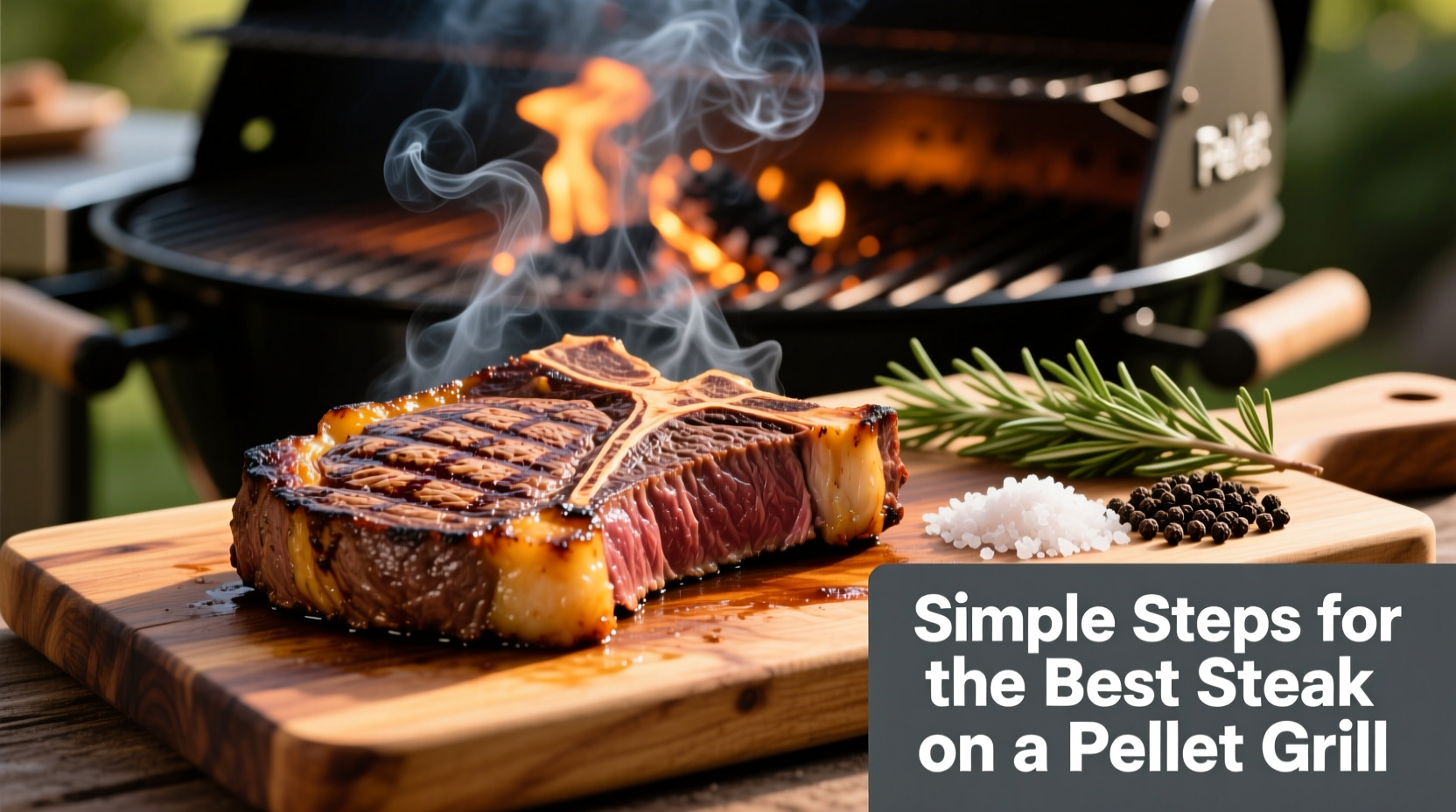
Not all steaks respond equally well to indirect heat and smoke. Thick-cut, well-marbled steaks are best suited for pellet grills because they benefit from slow smoking followed by a high-heat sear. The marbling (intramuscular fat) melts during cooking, basting the meat from within and enhancing juiciness.
Recommended cuts include:
- Ribeye – Rich in fat and flavor, ideal for low-and-slow smoking.
- Strip Steak (New York Strip) – Balanced texture with moderate marbling.
- Filet Mignon – Lean but tender; benefits from light smoke to add depth without overpowering its delicate taste.
- Porterhouse/T-Bone – Offers two textures in one cut; best when cooked carefully due to varying thicknesses.
Prepare Your Steak Like a Pro
Proper preparation sets the foundation for even cooking and maximum flavor. Start by removing the steak from the refrigerator 45–60 minutes before grilling. A cold steak placed directly on the grill will cook unevenly, resulting in gray bands near the surface and inconsistent doneness.
Pat the steak dry with paper towels before seasoning. Moisture on the surface inhibits browning and prevents a proper crust from forming. Use coarse kosher salt and freshly ground black pepper as a base. For added complexity, consider a minimalist rub with garlic powder, onion powder, and smoked paprika—but avoid sugar-heavy blends, which can burn during searing.
“Salt your steak generously and let it sit uncovered in the fridge overnight if possible. This enhances both flavor and crust formation.” — Daniel Lee, Executive Chef & Grill Master
Step-by-Step Guide: Cooking the Perfect Steak on a Pellet Grill
- Preheat the grill to 225°F (107°C) using indirect heat. Most pellet grills have a convection fan that circulates heat evenly. Allow 10–15 minutes for stabilization.
- Place the steak on the cooler side of the grill, away from direct flame. Close the lid and cook until the internal temperature reaches about 10–15°F below your target doneness (e.g., 115°F for medium-rare).
- Monitor with a meat thermometer. Insert it into the thickest part of the steak without touching bone or fat. This step is non-negotiable for precision.
- Switch to high heat. Once the steak has absorbed smoke and reached near-target temperature, increase the grill to 450–500°F or use a sear station if available.
- Sear each side for 2–3 minutes, flipping once, until a deep brown crust forms. Tongs—not forks—are essential to avoid piercing and losing juices.
- Remove and rest the steak on a cutting board or plate for at least 5–10 minutes. Tent loosely with foil to retain warmth.
Do’s and Don’ts When Grilling Steak on a Pellet Grill
| Do’s | Don’ts |
|---|---|
| Use a meat thermometer for accuracy | Guess doneness by touch alone |
| Let the steak come to room temperature first | Grill straight from the fridge |
| Preheat the grill thoroughly | Start cooking before the grill stabilizes |
| Rest the steak after cooking | Cut into it immediately |
| Experiment with different wood pellets | Use strong-flavored woods like mesquite on delicate cuts |
Real Example: From Overcooked to Perfect in One Weekend
Mark, an amateur griller from Colorado, struggled for months with dry, uneven steaks on his Traeger. He’d set the grill to 350°F and leave the ribeyes on for 20 minutes, only to find them overcooked and lacking crust. After reading about the reverse-sear method, he adjusted his approach: preheating to 225°F, monitoring internal temp, then cranking the heat to 500°F for a final sear. His next steak hit 130°F internally, rested to medium-rare perfection, and developed a crisp, caramelized exterior. “It was the first time my wife said it tasted better than the steakhouse,” he recalled. “All I changed was the sequence.”
Optimize Wood Choice for Flavor Balance
The type of wood pellet influences the final taste more than many realize. While all hardwoods work, pairing the wood with the cut ensures harmony rather than competition.
- Hickory – Bold and bacon-like; excellent with ribeye or strip.
- Mesquite – Intense and earthy; best used sparingly or blended; can overwhelm filet mignon.
- Apple or Cherry – Sweet and fruity; complements leaner cuts and adds subtle color.
- Oak – Medium-bodied and versatile; works well across all steak types.
For beginners, a blend like “competition blend” or “grill & smoke” offers balanced flavor without sharp edges. Avoid flavored or softwood pellets—they may contain additives unsuitable for food.
Frequently Asked Questions
Can I cook frozen steak on a pellet grill?
While technically possible, it's not recommended. Frozen steaks take longer to reach safe temperatures, increasing the risk of uneven cooking and poor searing. Thaw steaks in the refrigerator overnight for best results.
How long should I smoke the steak before searing?
Depends on thickness and starting temperature. A 1.5-inch ribeye typically takes 25–35 minutes at 225°F to reach 115°F internally. Use a probe thermometer instead of relying on time.
Is reverse sear better than traditional grilling?
For thicker steaks (1.5 inches or more), yes. Reverse sear allows controlled doneness throughout while enabling a powerful final sear. Thin steaks (<1 inch) are better suited to direct high-heat grilling.
Essential Checklist for Success
- ▢ Select a thick-cut, well-marbled steak (ribeye, strip, or filet)
- ▢ Remove steak from fridge 45–60 minutes before cooking
- ▢ Pat dry and season generously with salt, pepper, and optional spices
- ▢ Preheat pellet grill to 225°F using indirect heat
- ▢ Insert meat thermometer and monitor internal temperature
- ▢ Smoke until 10–15°F below target doneness
- ▢ Increase grill temperature to 450–500°F
- ▢ Sear each side for 2–3 minutes until crust forms
- ▢ Rest steak for 5–10 minutes before slicing
- ▢ Slice against the grain for maximum tenderness
Final Thoughts
Cooking a perfect steak on a pellet grill isn’t about complicated techniques—it’s about understanding heat, timing, and patience. The reverse-sear method, combined with quality ingredients and consistent monitoring, transforms home grilling into a precision craft. Whether you're hosting a dinner party or enjoying a quiet meal, these steps ensure juicy, flavorful results every time.




 浙公网安备
33010002000092号
浙公网安备
33010002000092号 浙B2-20120091-4
Comments
No comments yet. Why don't you start the discussion?