
Sugar snap peas are a favorite among home gardeners for their sweet crunch, vibrant flavor, and ease of growth. Unlike some vegetables that demand constant attention, these legumes thrive with modest care when given the right conditions from the start. Whether you're planting in a backyard plot or a container on a balcony, growing sugar snap peas can be both rewarding and productive. With proper timing, support, soil preparation, and maintenance, you can enjoy a bountiful harvest just weeks after planting.
Choose the Right Time to Plant
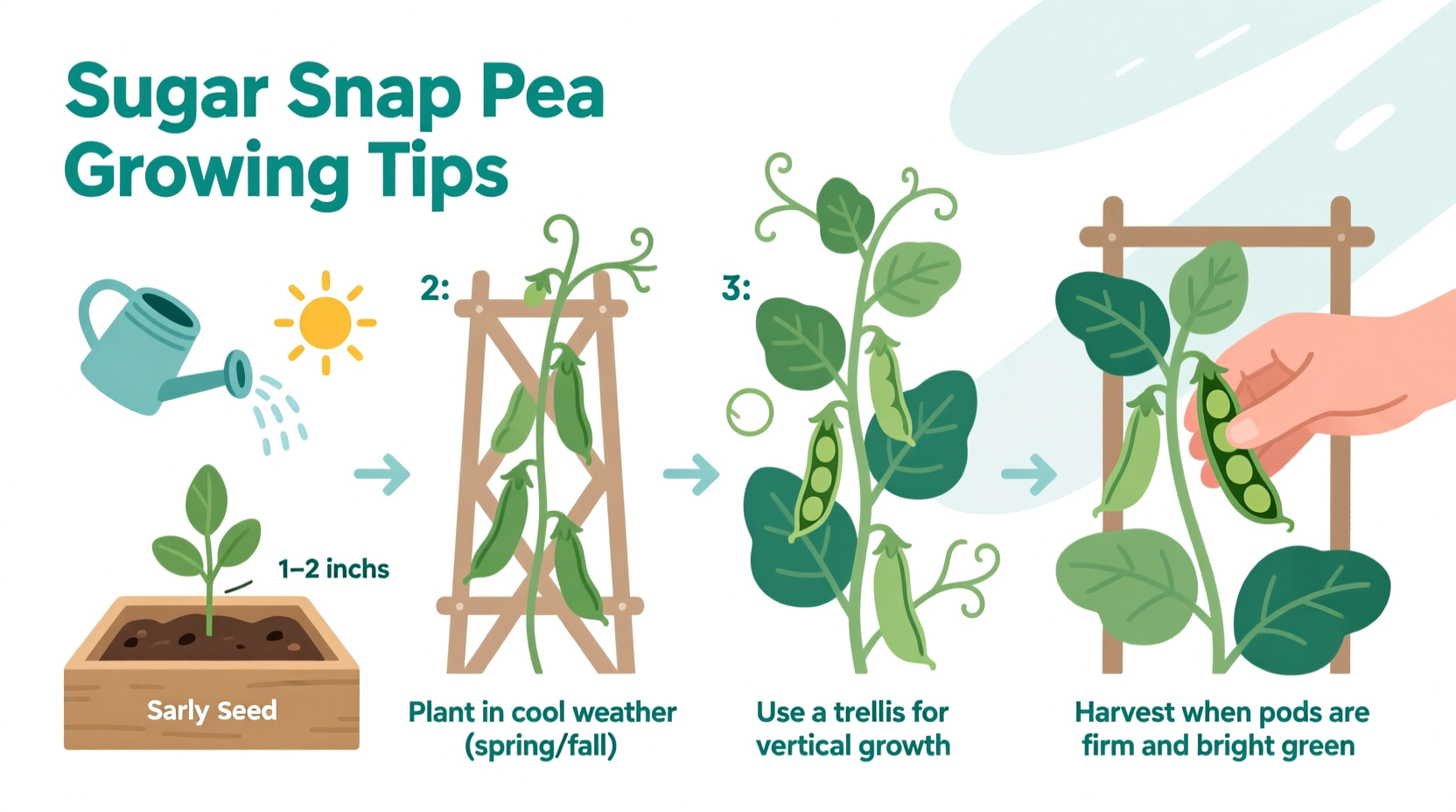
Sugar snap peas are cool-season crops, meaning they grow best in spring and fall when temperatures range between 50°F and 70°F (10°C–21°C). They germinate well in cooler soils but will struggle once summer heat arrives. For most regions, planting two to four weeks before the last expected frost is ideal. In milder climates, a second planting in late summer or early fall allows for a winter harvest.
Planting too late in spring risks exposing young plants to high temperatures, which can reduce flowering and pod set. Similarly, fall plantings should allow enough time for maturity before hard frosts arrive—typically 60 to 70 days from sowing.
Prepare the Soil for Optimal Growth
Peas perform best in well-drained, loamy soil rich in organic matter. They prefer a slightly alkaline pH between 6.0 and 7.5. Before planting, work compost or aged manure into the top 6–8 inches of soil to boost fertility without overloading nitrogen—excess nitrogen encourages leafy growth at the expense of pods.
Avoid compacted or waterlogged soils, as peas are prone to root rot in soggy conditions. Raised beds or mounded rows can help improve drainage in heavy clay soils.
“Peas fix their own nitrogen through symbiotic bacteria, so avoid high-nitrogen fertilizers. Focus instead on phosphorus and potassium for strong roots and better yields.” — Dr. Helen Torres, Sustainable Horticulture Researcher
Soil Preparation Checklist
- Test soil pH and adjust if necessary using lime (to raise) or sulfur (to lower)
- Incorporate 2–3 inches of compost into planting area
- Ensure good drainage; consider raised beds if soil is dense
- Avoid fresh manure—it can introduce pathogens and excess nitrogen
Provide Support Early
Sugar snap peas are climbing vines that typically reach 5 to 6 feet tall. Without support, they sprawl across the ground, increasing disease risk and making harvesting difficult. Install trellises, netting, or stakes at planting time to avoid disturbing roots later.
Simple structures like bamboo teepees, cattle panels, or string trellises work well. Ensure supports are at least 5 feet high and securely anchored. As vines grow, gently guide tendrils toward the structure; they’ll latch on naturally within days.
| Support Type | Pros | Cons |
|---|---|---|
| Trellis Netting | Easy to install, promotes air circulation | May need re-staking in wind |
| Bamboo Teepee | Aesthetic, reusable, sturdy | Labor-intensive to build |
| Cattle Panel | Durable, long-lasting, excellent coverage | Heavy, requires strong posts |
| String Trellis | Inexpensive, customizable height | Strings may stretch or break |
Water Consistently and Mulch Well
While peas don’t require excessive watering, consistent moisture is crucial—especially during flowering and pod development. Aim for about 1 inch of water per week, either from rainfall or irrigation. Water at the base to keep foliage dry and reduce fungal diseases like powdery mildew.
Mulching around plants with straw, shredded leaves, or grass clippings helps retain moisture, suppress weeds, and regulate soil temperature. Apply a 2–3 inch layer after seedlings emerge, being careful not to bury the stems.
Irrigation Tips Summary
- Water deeply 2–3 times per week rather than daily light sprinkling
- Avoid overhead watering to prevent foliar diseases
- Use drip lines or soaker hoses for efficient delivery
- Reduce watering once plants begin to die back at season’s end
Harvest Frequently for Maximum Yield
One of the most effective ways to extend your harvest is frequent picking. Sugar snap peas produce more pods when harvested regularly—usually every 2 to 3 days during peak season. Pods should be plump, bright green, and crisp. If left too long, they become fibrous and lose sweetness.
Harvest in the morning when temperatures are cooler. Use two hands: one to hold the vine and the other to gently pull off the pod. This prevents damage to the plant and encourages continued production.
Mini Case Study: Urban Gardener’s Success
María Lopez, a gardener in Portland, Oregon, transformed her small south-facing patio into a productive pea-growing space. Using five-gallon containers filled with potting mix and supported by lightweight mesh trellises, she planted ‘Super Sugar Snap’ peas in early March. By soaking seeds overnight, applying a thin mulch of straw, and watering with a drip system, her plants produced continuously for seven weeks. She credits her success to daily monitoring and harvesting every other day, which kept the vines producing new flowers. “I got over eight pounds of peas from just six plants,” she said. “And my kids loved picking them straight off the vine.”
Common Challenges and How to Avoid Them
Pests like aphids and thrips can colonize young pea plants, particularly in early spring. Inspect leaves regularly and use a strong spray of water to dislodge colonies. For severe infestations, insecticidal soap applied in the evening is effective and safe.
Fungal diseases such as powdery mildew often appear in humid conditions or with poor airflow. Choose resistant varieties like ‘Sugar Ann’ or ‘Cascadia,’ space plants 2–3 inches apart, and avoid crowding. Removing affected leaves promptly can slow spread.
Another common mistake is planting too densely. While it may seem efficient, overcrowding reduces air circulation and sunlight penetration, leading to weak growth and lower yields.
“Success with peas isn’t about complexity—it’s about consistency. Get the basics right: cool temps, good soil, steady water, and timely harvests.” — Ben Carter, Master Gardener & Extension Educator
Frequently Asked Questions
Can I grow sugar snap peas in containers?
Yes, sugar snap peas grow well in containers that are at least 12 inches deep and wide. Use a quality potting mix, provide a trellis, and place the container in a location that receives 6–8 hours of sunlight daily. Keep soil consistently moist and feed lightly with a balanced organic fertilizer every three weeks.
Do sugar snap peas need fertilizer?
Not heavily. Since peas fix atmospheric nitrogen through root nodules, they require little added nitrogen. A low-nitrogen, high-phosphorus fertilizer at planting can help root development, but avoid feeding mid-season unless plants show signs of deficiency. Over-fertilizing leads to lush vines with few pods.
Why are my pea plants flowering but not producing pods?
This can happen due to high temperatures (above 80°F), lack of pollination, or nutrient imbalance. Pea flowers are self-pollinating, but extreme heat can cause pollen to become sterile. Try planting earlier or later in the season to avoid temperature spikes. Ensuring adequate moisture and avoiding nitrogen-heavy amendments also helps improve pod set.
Final Steps to a Successful Harvest
- Start seeds directly in the garden 4–6 weeks before last frost
- Use inoculant powder on seeds to boost nitrogen fixation (optional but beneficial)
- Space seeds 1–2 inches apart in rows 18–24 inches apart
- Install trellis at planting time
- Thin seedlings to 2–3 inches apart if overcrowded
- Water consistently, especially during bloom and pod fill
- Harvest every 2–3 days once pods begin forming
- Remove plants after productivity declines to make room for warm-season crops
Conclusion
Growing sugar snap peas doesn’t require advanced skills or expensive equipment. With attention to planting timing, soil quality, support systems, and regular harvesting, even beginner gardeners can enjoy a continuous supply of crisp, sweet pods. These simple yet effective practices ensure healthy vines and abundant yields, turning your garden into a source of fresh, homegrown delight.




 浙公网安备
33010002000092号
浙公网安备
33010002000092号 浙B2-20120091-4
Comments
No comments yet. Why don't you start the discussion?