
Choosing the right collar for your dog is more than a style decision—it’s about comfort, safety, and long-term durability. With so many options on the market, one common point of confusion is whether a double layer collar offers meaningful benefits over a single layer design. While both types are widely used, understanding their structural differences, performance under strain, and impact on daily wear can help pet owners make informed choices.
The debate isn’t just about thickness or appearance. It’s rooted in function: how the collar distributes pressure, resists wear, and supports training or identification needs. Whether you have a small breed that gently tugs on walks or a powerful working dog that pulls with enthusiasm, the construction of the collar plays a crucial role.
Understanding Collar Construction: What Defines Single vs Double Layer?
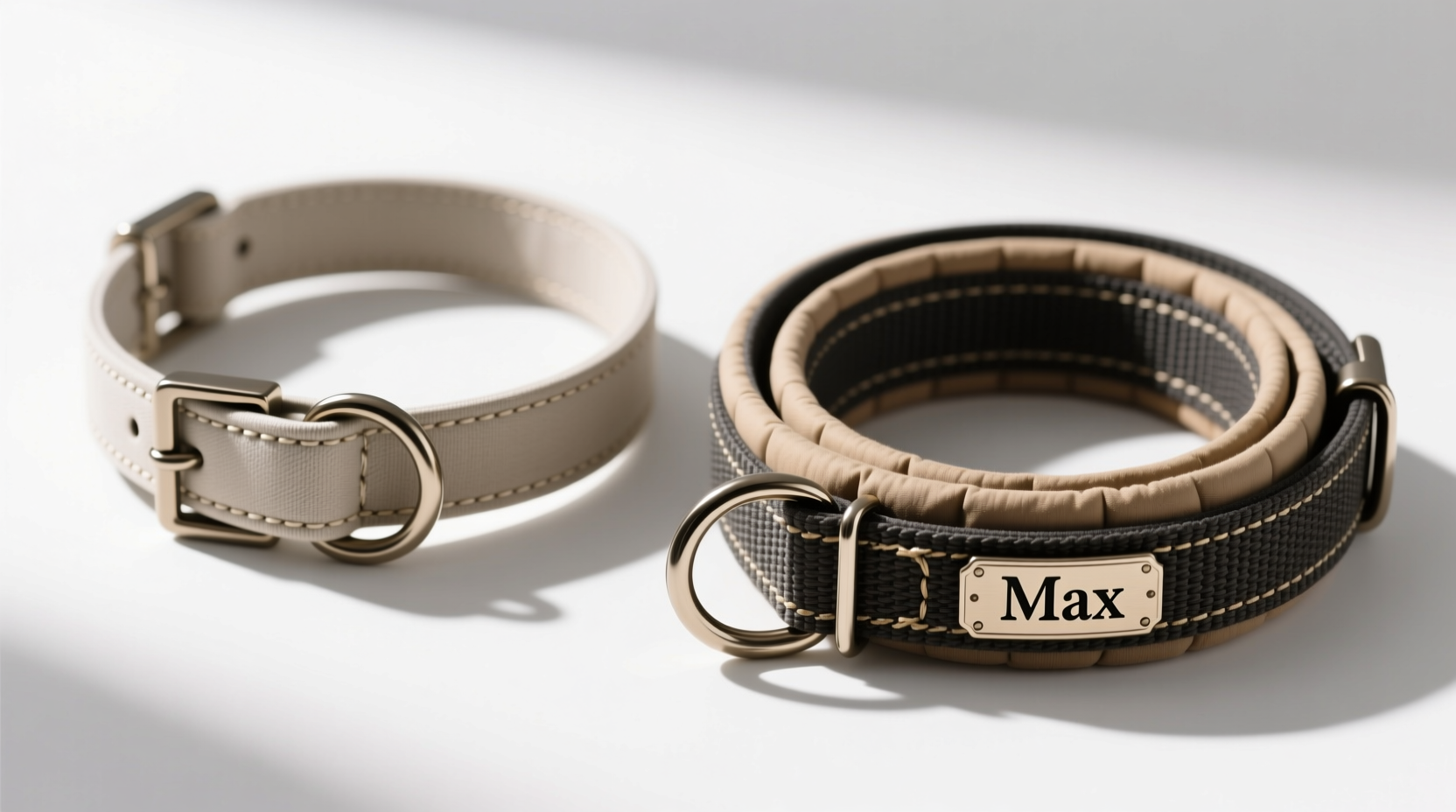
A single layer dog collar is made from one continuous strip of material—typically nylon, polyester, or leather—folded at the ends to attach the buckle and D-ring. The entire structure relies on the strength and stitching of that single band. These collars are often lighter, more flexible, and less bulky around the neck, making them popular for everyday use, especially among smaller dogs.
In contrast, a double layer dog collar features two overlapping strips of material bonded or stitched together along the entire length. This creates a thicker, more robust profile designed to handle greater tension and resist fraying. The added layer increases surface area and spreads force more evenly across the dog’s neck during pulling or sudden movements.
Performance Comparison: Strength, Durability, and Comfort
Durability is where double layer collars typically shine. Because they incorporate twice the material, they’re inherently more resistant to abrasion, tearing, and UV degradation. For dogs that are rough on gear—whether due to chewing, digging, or constant outdoor exposure—a double layer design often lasts significantly longer.
However, strength doesn’t automatically mean better. A well-made single layer collar using high-grade webbing and reinforced hardware can outperform a poorly constructed double layer alternative. Material quality, thread strength, and hardware finish (e.g., rust-resistant buckles) are equally important factors.
When it comes to comfort, the trade-offs become apparent. Double layer collars are heavier and stiffer, which may cause chafing or irritation for dogs with sensitive skin or fine fur. On the other hand, the increased padding effect of the second layer can reduce pressure points, particularly beneficial for dogs that pull frequently.
“While double layer collars offer enhanced tensile strength, we’ve seen cases where improper fit negates those benefits. A snug, well-distributed design matters more than layer count.” — Dr. Lena Patel, Veterinary Behaviorist
Key Differences at a Glance
| Feature | Single Layer Collar | Double Layer Collar |
|---|---|---|
| Weight | Lightweight, minimal bulk | Heavier, more substantial feel |
| Durability | Good for light to moderate use | High resistance to wear and tear |
| Comfort | Flexible, ideal for small breeds | Potential stiffness; better pressure distribution |
| Pulling Resistance | Moderate; may stretch over time | Superior; handles strong forces better |
| Cost | Generally more affordable | Higher price due to materials and labor |
| Best For | Casual walkers, indoor dogs, puppies | Strong pullers, outdoor adventurers, working dogs |
Real-World Example: Two Dogs, Two Needs
Consider Max, a 10-pound Shih Tzu who walks calmly on a leash and spends most days indoors. His owner chose a soft, single layer nylon collar with a floral print. After 18 months of regular use, the collar shows minor fraying but remains fully functional. The lightweight design suits his delicate neck and low activity level.
Now compare Bella, a 75-pound Australian Shepherd who hikes weekly and occasionally lunges at squirrels. Her owner initially used a single layer collar, but it began to fray within six months, and Bella developed mild neck irritation from concentrated pressure. Switching to a double layer collar with padded backing eliminated both issues. After a year of rigorous use, the collar shows no signs of weakening.
This contrast illustrates that the value of an extra layer depends heavily on the dog’s size, behavior, and lifestyle—not just the collar’s label.
When Does the Extra Layer Actually Matter?
The answer lies in usage context. For most companion dogs that walk politely and don’t engage in high-impact activities, a high-quality single layer collar is perfectly sufficient. The added weight and rigidity of a double layer may offer no practical benefit and could even reduce comfort.
However, for dogs that:
- Regularly pull hard on walks
- Participate in agility, hiking, or search-and-rescue work
- Have a history of breaking or chewing through collars
- Require multiple tags or GPS trackers
…the structural reinforcement of a double layer collar becomes a worthwhile investment. The distributed load reduces strain on any single point, lowering the risk of breakage and improving long-term reliability.
Step-by-Step: Choosing the Right Collar for Your Dog
- Evaluate your dog’s activity level: Is walking leisurely or intense? Frequent pulling demands stronger materials.
- Measure neck size accurately: Allow space for two fingers between collar and neck. Avoid oversized double layer collars that add unnecessary bulk.
- Inspect material and stitching: Look for tightly woven webbing, UV resistance, and triple-stitching at stress points.
- Check hardware quality: Buckles should click securely; D-rings must be welded or embedded, not glued.
- Test for flexibility: Bend the collar. Excessive stiffness may indicate discomfort, especially for small or young dogs.
- Monitor for wear: Replace any collar showing frayed edges, loose threads, or weakened hardware—regardless of layer count.
Frequently Asked Questions
Do double layer collars prevent injury?
Not directly. While they distribute pressure better than thin single layer collars, they don’t eliminate the risks associated with jerking or pulling. For injury prevention, pair any collar with proper leash training and consider using a harness for dogs prone to tracheal issues.
Can I use a double layer collar for a puppy?
It’s possible, but often unnecessary. Puppies are still growing and typically don’t exert enough force to require reinforced collars. A soft, adjustable single layer option is usually safer and more comfortable during development.
Are leather collars always double layer?
No. Leather collars come in both configurations. Some premium designs use a single thick hide layer, while others laminate two thinner pieces for added resilience. The key is craftsmanship—look for smooth edges, tight stitching, and conditioned leather that resists cracking.
Final Thoughts: Function Over Form
The question isn’t whether double layer collars are “better” in absolute terms, but whether they’re better suited to your dog’s specific needs. An extra layer adds real advantages in strength and longevity for active or powerful breeds, but it brings trade-offs in weight and flexibility that may not benefit every dog.
Rather than focusing solely on layer count, prioritize fit, material integrity, and intended use. A thoughtfully chosen collar—whether single or double layered—should remain secure, comfortable, and intact through daily adventures.




 浙公网安备
33010002000092号
浙公网安备
33010002000092号 浙B2-20120091-4
Comments
No comments yet. Why don't you start the discussion?