
When it comes to luxury jewelry, few pieces command attention like a diamond Cuban chain. Known for their bold presence and intricate link design, these chains have become staples in both streetwear fashion and high-end accessorizing. But as styles evolve, so do options—particularly between single and double row variations. The question isn't just about aesthetics; it's about value, comfort, durability, and personal expression. Does adding that second row significantly elevate the piece, or is it simply doubling down on flash without substance?
The answer depends on what you're looking for: subtle elegance or unmissable statement. To help you decide, we’ll break down the structural differences, visual impact, wearability, and long-term considerations of single versus double row diamond Cuban chains.
Understanding the Design: Single vs Double Row
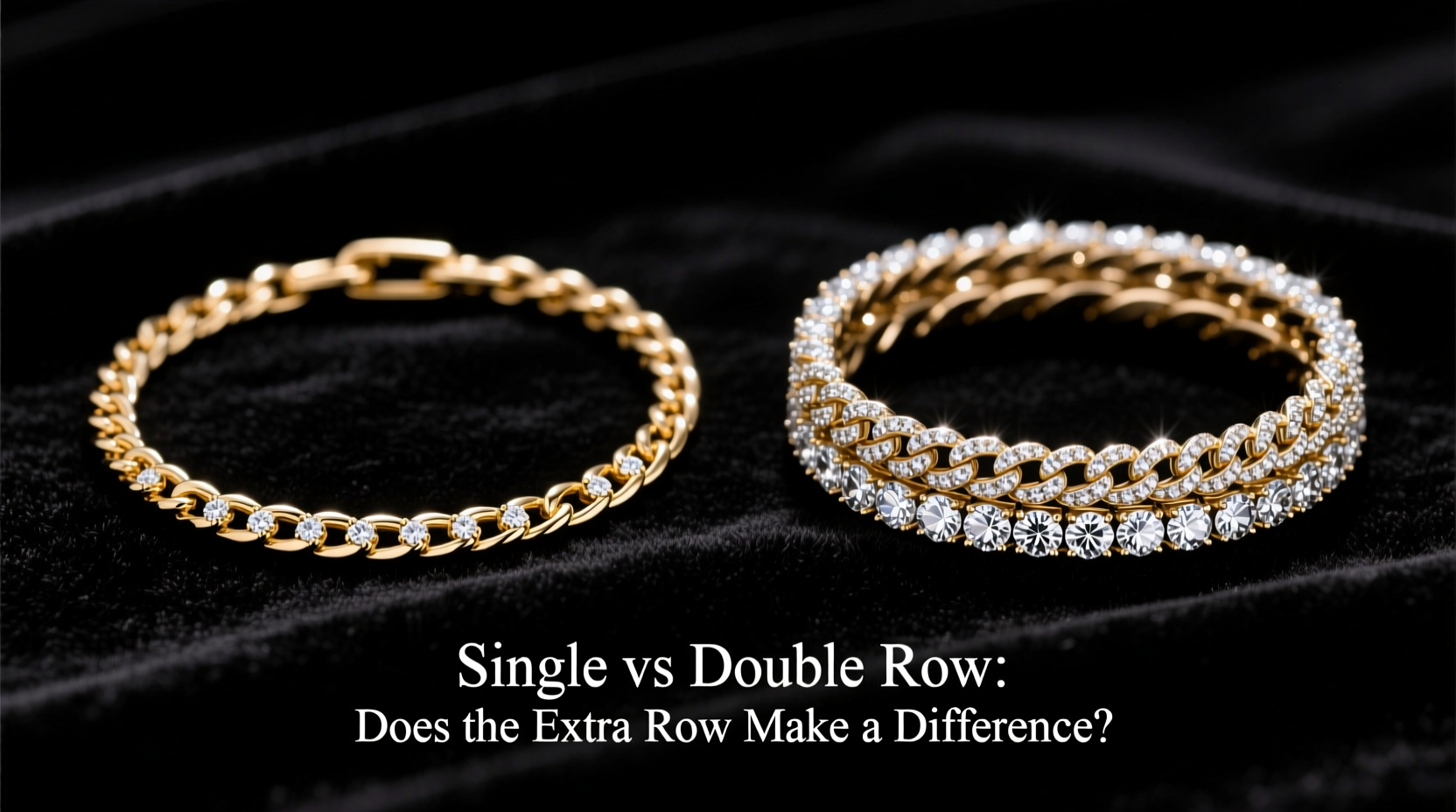
A single row Cuban chain consists of one continuous line of interlocking twisted links, typically polished to a high shine. When set with diamonds (usually micro-paved along the surface), each link reflects light individually, creating a consistent sparkle from end to end.
A double row Cuban chain takes that same foundational design but duplicates it—two parallel chains connected at the clasp and sometimes reinforced with a connector bar near the back. Each row can be identical in width and length, resulting in a broader, denser appearance around the neck.
The construction difference may seem minor, but it affects everything from how the chain drapes to how much metal and stone are used. A double row isn’t just two singles worn together—it’s engineered as a unified piece, often requiring stronger clasps and more precise alignment during manufacturing.
Visual Impact: Shine, Presence, and Style Statement
There’s no denying that a double row diamond Cuban chain makes a bolder impression. The added width fills more space on the collarbone, catching light from multiple angles and drawing immediate attention. This makes it ideal for formal events, stage appearances, or anyone aiming to project confidence and opulence.
In contrast, a single row offers a sleeker profile. It pairs effortlessly with layered necklaces, turtlenecks, or minimalist outfits where subtlety matters. While still luxurious, it maintains an air of refinement rather than dominance.
Diamond placement also plays a role. On a double row, there’s nearly twice the surface area for stones, which means more fire and brilliance—especially under direct lighting. However, if the setting quality is inconsistent across either row, flaws become more noticeable due to the larger visual footprint.
“Double row chains aren’t inherently better—they’re louder. Whether that loudness serves your style is the real question.” — Marcus Delgado, Jewelry Designer & Founder of MD Fine Chains
Comfort and Wearability: Weight, Fit, and Daily Use
One of the most practical considerations is weight. A double row chain typically weighs 1.7 to 2.3 times more than its single-row counterpart of the same length and width per chain. For example, a 20-inch, 8mm-wide single row might weigh around 80 grams; the double version could reach 150–180 grams depending on gold thickness and diamond count.
This added mass changes how the chain feels throughout the day. Some wearers enjoy the substantial “presence” of heavier jewelry, associating it with authenticity and luxury. Others find prolonged wear uncomfortable, especially during physical activity or hot weather.
Neck fit is another factor. Double rows sit higher and wider on the throat, potentially interfering with shirt collars or scarves. They also require sturdier clasps—often lobster claw or screw-lock mechanisms—to support the load safely. A weak clasp on a heavy chain increases the risk of loss or damage.
| Feature | Single Row | Double Row |
|---|---|---|
| Average Weight (8mm x 20\") | 70–90g | 140–190g |
| Clasp Type | Lobster or spring ring | Reinforced lobster or screw lock |
| Diamond Coverage | ~100% | ~180–200% (combined) |
| Best For | Daily wear, layering | Statements, special occasions |
Durability and Maintenance Comparison
More material doesn’t always mean greater durability. In fact, double row chains introduce additional stress points—especially where the two strands connect at the clasp or central bridge. Over time, repeated movement can cause friction between rows, leading to premature wear or even link deformation if not properly spaced.
Cleaning becomes more complex too. Dirt and oils accumulate between the rows, making it harder to reach crevices without professional ultrasonic cleaning. Single rows, by comparison, offer easier access to every link, allowing owners to maintain luster with regular wiping and mild solution baths.
Repair costs also differ. Fixing a broken link on a double row often requires disassembling part of the structure to preserve alignment, increasing labor time and expense. Replacing a clasp on a double chain demands precision to ensure both rows remain balanced after reattachment.
Real-World Example: Choosing Based on Lifestyle
Take James, a marketing executive who splits his time between client meetings and weekend events. He initially purchased a 10mm double row diamond Cuban chain because he admired its presence in photos. After wearing it daily for three weeks, he noticed discomfort during long drives and found it clashed with his dress shirts. Eventually, he switched to a single 10mm chain, which provided the same level of luxury but with far greater versatility.
Conversely, Malik, a musician and frequent performer, opted for a custom double row chain with enhanced security features. For him, the weight was a non-issue—he only wore it during shows and videos. The amplified shine translated well on camera, and fans often commented on its grandeur. In his case, the extra row justified every gram and dollar.
Their experiences highlight a key truth: the right choice aligns with lifestyle, not trends.
Step-by-Step Guide: How to Choose Between Single and Double Row
- Assess Your Wardrobe: Do you wear open collars often? If yes, a double row may shine. Prefer buttoned shirts? A single row likely integrates better.
- Test Weight Tolerance: Try on similar-weight chains at a jeweler. Wear them for 20–30 minutes to gauge comfort.
- Evaluate Occasions: Will you wear it mostly for photos/events or everyday? Double rows excel in spotlight moments.
- Review Security Needs: Ensure the clasp matches the chain’s weight. Ask for certification on diamond settings.
- Compare Long-Term Costs: Factor in cleaning frequency, insurance premiums, and potential repair needs before deciding.
Frequently Asked Questions
Is a double row Cuban chain twice as expensive as a single?
Not exactly. While it uses more gold and diamonds, pricing also reflects complexity. Expect a double row to cost 1.8 to 2.2 times more than a single of equal specs—not quite double, but close.
Can I wear a double row chain every day?
You can, but consider comfort and safety. Heavy chains increase strain on the neck and raise the risk of snagging. Many opt for rotation—double for events, single for daily use.
Do double row chains tangle more easily?
They don’t usually tangle externally, but internal friction between rows can cause wear. Proper spacing and smooth finishes minimize this issue.
Final Thoughts: Does the Extra Row Make a Difference?
Yes—but whether that difference matters depends entirely on your intent. A double row amplifies presence, sparkle, and perceived value. It turns heads and signals investment. Yet, it comes with trade-offs: weight, maintenance, and reduced flexibility in styling.
A single row delivers timeless elegance with practical advantages. It’s lighter, easier to care for, and adapts seamlessly across contexts. For many, it strikes the perfect balance between luxury and livability.
Ultimately, the best chain isn’t the biggest or brightest—it’s the one that feels like *you*. Whether you choose single or double, prioritize craftsmanship, comfort, and confidence. That’s where true style begins.




 浙公网安备
33010002000092号
浙公网安备
33010002000092号 浙B2-20120091-4
Comments
No comments yet. Why don't you start the discussion?