
Quality sleep doesn’t come from a single magic solution—it’s built through intentional choices. Two popular tools often recommended for better rest are sleep eye masks and weighted blankets. While both aim to improve sleep, they work in fundamentally different ways. One blocks external stimuli; the other applies physical pressure to calm the nervous system. Choosing between them—or combining both—depends on understanding your personal sleep challenges and what kind of support your body and mind actually need.
How Light Affects Sleep: The Case for Eye Masks
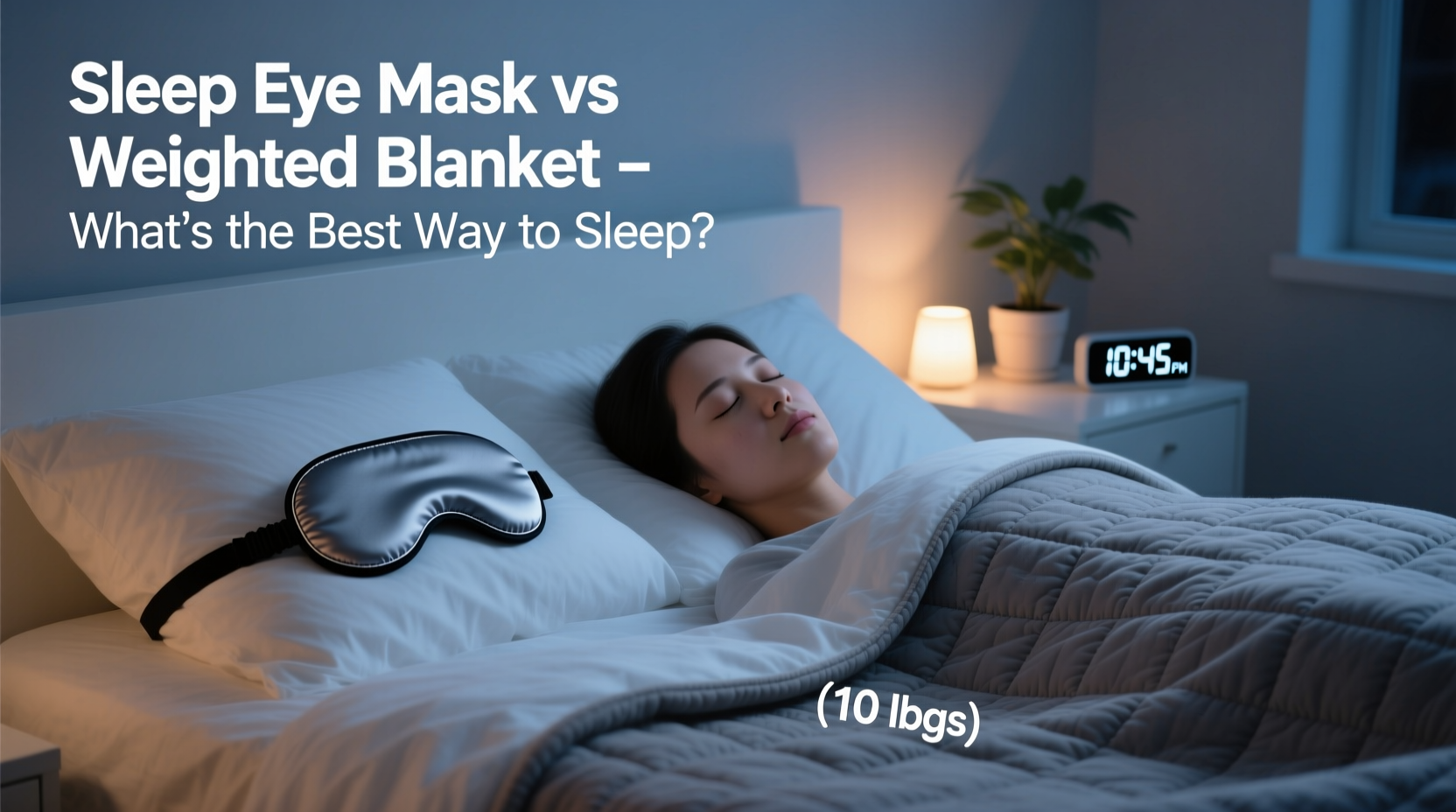
Light is one of the most powerful regulators of circadian rhythm. Even small amounts of light during sleep—like streetlamps, digital displays, or early morning sun—can suppress melatonin production, the hormone responsible for signaling sleep onset. This disruption can delay falling asleep, reduce REM cycles, and lead to non-restorative rest.
Sleep eye masks address this by creating complete darkness, regardless of the environment. They’re especially useful for shift workers, frequent travelers crossing time zones, or anyone sleeping in a room that isn’t fully dark. Modern masks use contoured designs to avoid pressing on eyelids, breathable fabrics to prevent overheating, and adjustable straps for comfort.
The Science Behind Weighted Blankets: Deep Pressure for Calm
Weighted blankets apply gentle, distributed pressure across the body—a sensation known as deep touch pressure (DTP). Research suggests DTP can stimulate the parasympathetic nervous system, reducing heart rate and cortisol levels while increasing serotonin and melatonin production.
A 2020 study published in Journal of Clinical Sleep Medicine found that participants using a weighted blanket reported significantly improved sleep efficiency, reduced nighttime movements, and lower anxiety levels. The ideal weight is typically around 10% of body weight, providing enough sensory input to feel grounding without restricting movement.
“Deep pressure stimulation from weighted blankets can mimic therapeutic techniques used in occupational therapy to reduce hyperarousal and promote relaxation.” — Dr. Lena Torres, Sleep Neurologist at Pacific Sleep Institute
Eye Mask vs Weighted Blanket: Key Differences Compared
| Feature | Sleep Eye Mask | Weighted Blanket |
|---|---|---|
| Primary Function | Blocks light to support melatonin release | Applies deep pressure to reduce anxiety |
| Best For | Light-sensitive sleepers, shift workers, travel | Anxiety, insomnia, restless legs, autism/ADHD |
| Portability | High – easy to carry and use anywhere | Low – bulky and heavy for travel |
| Cooling Effect | Can help keep eyes cool; some have cooling gel | Many trap heat; look for breathable materials |
| Time to Effect | Near-immediate (as soon as lights are blocked) | Takes 10–20 minutes to induce calming response |
| Cost Range | $10–$50 | $80–$200+ |
When to Use Each—Or Both Together
Neither tool is universally superior. Their effectiveness depends on your specific sleep barriers:
- If your bedroom gets bright at night or you work overnight shifts, an eye mask is likely essential.
- If racing thoughts, stress, or physical restlessness keep you awake, a weighted blanket may offer more meaningful relief.
- For many, combining both creates a layered sleep strategy: total darkness plus sensory grounding.
Consider this real-world example: Maria, a nurse working rotating night shifts, struggled with daytime sleep after overnight duty. She tried blackout curtains but still woke up disoriented. After adding a contoured silk eye mask and a 15-pound cooling weighted blanket, she reported falling asleep 30 minutes faster and waking less frequently. “It’s like my body finally believes it’s nighttime,” she said.
Step-by-Step Guide to Testing Your Sleep Tools
Don’t guess which works best—test them methodically.
- Baseline Week: Track your sleep quality, time to fall asleep, and awakenings using a journal or app.
- Week 1 – Eye Mask Trial: Use only a sleep mask in your usual environment. Note changes in how quickly you drift off and overall restfulness.
- Week 2 – Weighted Blanket Trial: Stop using the mask; instead, use only the weighted blanket. Monitor anxiety levels before bed and perceived depth of sleep.
- Week 3 – Combined Use: Use both tools together. Record whether the combination feels additive or overwhelming.
- Evaluate: Compare notes across all three weeks. Look for consistent improvements in sleep latency, duration, and mood upon waking.
Common Mistakes That Undermine Results
Even high-quality products fail when used incorrectly:
- Wrong blanket weight: Too heavy causes discomfort; too light has no effect. Stick to the 10% rule.
- Poor mask fit: Gaps allow light leaks. Straps that are too tight cause headaches.
- Using in hot environments: Non-breathable fabrics increase core temperature, counteracting sleep benefits.
- Expecting instant results: It can take up to two weeks to adjust to a weighted blanket’s sensation.
Frequently Asked Questions
Can I use a weighted blanket if I’m a hot sleeper?
Yes, but choose wisely. Look for blankets made with bamboo, cotton, or microfiber covers and glass beads instead of plastic pellets. These materials enhance airflow and reduce heat retention. Some brands specialize in “cooling” weighted blankets designed specifically for warmer climates or seasons.
Are eye masks safe for long-term use?
Generally, yes—but avoid models that press directly on the eyes, especially if you have glaucoma or sensitive ocular pressure. Contoured masks that hover over the eyes are safer for extended nightly use. Clean your mask weekly to prevent bacterial buildup and skin irritation.
Who should avoid weighted blankets?
People with obstructive sleep apnea, asthma, claustrophobia, or mobility issues should consult a doctor first. The added weight may restrict breathing or make repositioning difficult during sleep. Children under 10 and pets should not use adult-weighted blankets unsupervised.
Building Your Ideal Sleep Environment
No single product guarantees perfect sleep. The most effective approach integrates multiple elements:
“Sleep tools are enhancers, not replacements for good sleep hygiene.” — Dr. Rajiv Mehta, Behavioral Sleep Specialist
- Maintain a consistent bedtime and wake time—even on weekends.
- Limit screen exposure 60–90 minutes before bed.
- Keep the bedroom cool (60–67°F / 15–19°C) and quiet.
- Reserve the bed for sleep and intimacy only.
Within this framework, an eye mask or weighted blanket becomes a precision instrument—not a crutch, but a targeted aid addressing specific gaps in your routine.
Final Recommendation: Match the Tool to the Problem
If your main issue is environmental light intrusion, start with an eye mask. It’s affordable, portable, and scientifically sound for regulating melatonin. If your struggle is mental or physical restlessness, begin with a properly sized weighted blanket. Its impact on nervous system regulation is well-documented and can be transformative for anxious or overstimulated minds.
For those dealing with both issues—light exposure and internal agitation—there’s no reason to choose. Layered solutions often yield the best outcomes. Combine a breathable, contoured eye mask with a cooling, appropriately weighted blanket to create a sanctuary of darkness and calm.




 浙公网安备
33010002000092号
浙公网安备
33010002000092号 浙B2-20120091-4
Comments
No comments yet. Why don't you start the discussion?