
As pregnancy progresses, many women notice changes in their comfort, breathing, and even digestion—especially when lying down. One of the most common concerns expectant mothers face is how to sleep safely and comfortably. Among the many questions that arise, one stands out: Is it safe to sleep on your back while pregnant? The answer isn't a simple yes or no—it depends on the stage of pregnancy, individual health factors, and how long you remain in that position.
Lying flat on your back may seem natural, especially early in pregnancy, but as your uterus grows, this position can place pressure on major blood vessels and reduce circulation to both you and your baby. Understanding when and why this becomes a concern can help you make informed choices about your sleep posture throughout the nine months.
Why Back Sleeping Becomes Risky in Later Pregnancy
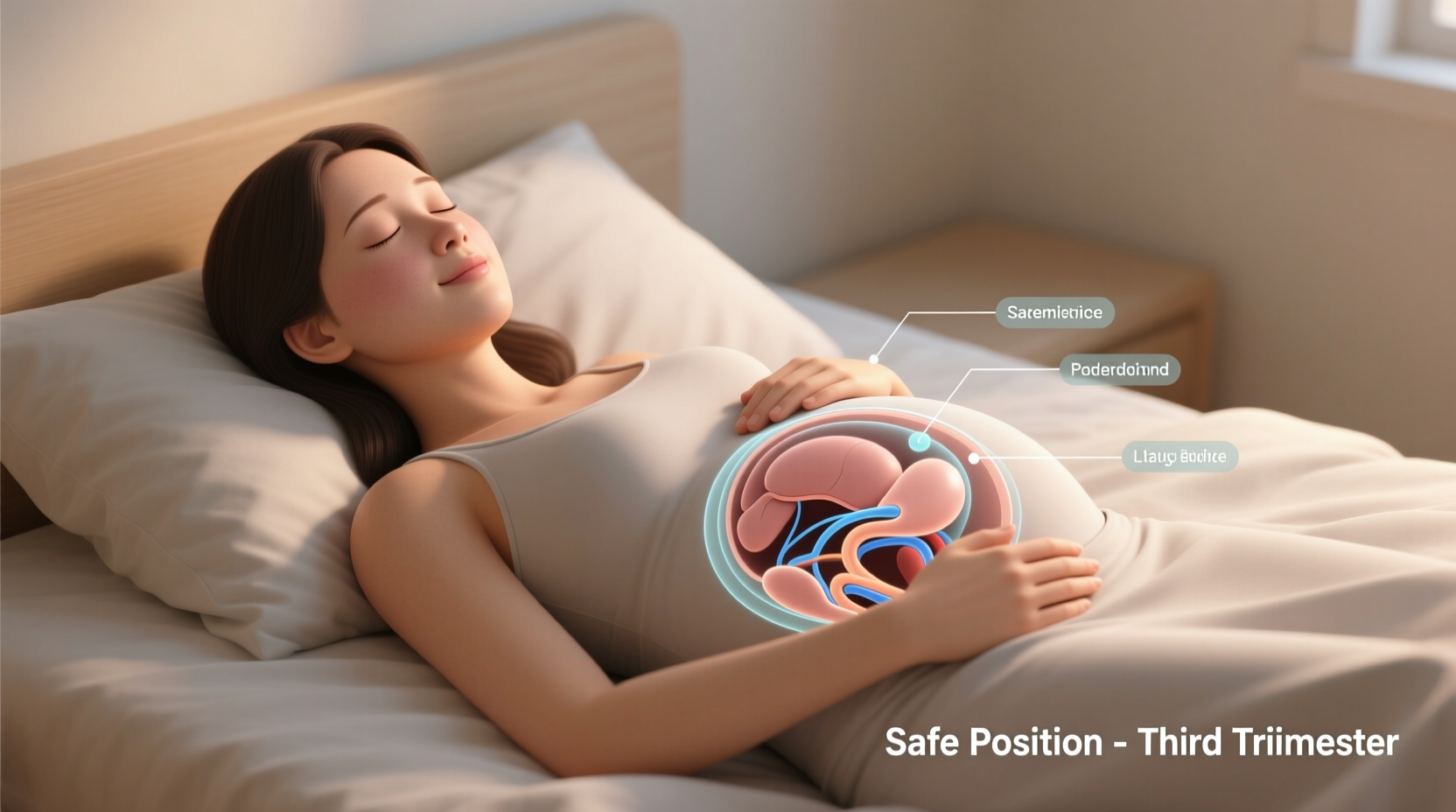
During the second and third trimesters, the growing uterus shifts upward and outward. When you lie flat on your back, especially for prolonged periods, the weight of the uterus can compress the inferior vena cava—a large vein that carries deoxygenated blood from the lower body back to the heart. This condition is known as supine hypotensive syndrome or \"aortocaval compression.\"
Compression of the vena cava reduces blood return to the heart, which in turn lowers blood pressure and can lead to dizziness, nausea, shortness of breath, or even fainting. More importantly, reduced blood flow means less oxygen and nutrients reaching the placenta and fetus. While brief episodes are unlikely to cause harm, habitual or extended back sleeping during late pregnancy has been associated with increased risks, including fetal distress and stillbirth in rare cases.
“After 20 weeks, we strongly advise against prolonged supine positioning. Even slight elevation or tilting the pelvis can significantly improve circulation.” — Dr. Alicia Nguyen, Maternal-Fetal Medicine Specialist
When It’s Generally Safe (and When It’s Not)
In early pregnancy—typically the first trimester—sleeping on your back is generally considered safe. At this stage, the uterus is still small and protected within the pelvic cavity, so it doesn’t exert enough pressure to interfere with blood flow. However, as pregnancy advances into the second trimester, particularly after week 20, medical guidelines begin to recommend side-sleeping over back sleeping.
A landmark 2019 study published in *The Lancet* found that women who slept on their backs during the third trimester had a slightly higher risk of stillbirth compared to those who slept on their sides. Although the absolute risk remains low, experts agree that adopting safer sleep positions is a simple preventive measure.
Best Sleep Positions During Pregnancy by Trimester
| Trimester | Recommended Position | Rationale |
|---|---|---|
| First (Weeks 1–13) | Any comfortable position, including back or side | Uterus is small; no significant vascular compression risk |
| Second (Weeks 14–27) | Left or right side sleeping preferred | Improved circulation; reduced risk of vena cava compression |
| Third (Weeks 28–40+) | Side sleeping, ideally left side | Optimizes blood flow to heart, uterus, and kidneys |
The left side is often emphasized because it enhances circulation to the heart and allows for optimal delivery of nutrients and oxygen to the baby. However, the right side is also acceptable if left-side sleeping causes discomfort.
How to Transition Safely to Side Sleeping
Changing your sleep habits mid-pregnancy can be challenging, especially if you're used to sleeping on your back. Fortunately, there are practical steps you can take to ease the transition and stay comfortable.
- Use a pregnancy pillow: Full-body or C-shaped pillows support your abdomen, back, and legs, helping maintain a stable side position.
- Elevate your upper body slightly: Propping yourself with pillows at a 20–30 degree angle can relieve pressure even if you drift toward your back.
- Practice good bedtime alignment: Start the night on your side and use tactile cues like placing a small pillow behind your back to discourage rolling.
- Wear loose, breathable sleepwear: Overheating can disrupt sleep and increase restlessness, making position changes more likely.
- Establish a calming routine: Reducing nighttime awakenings helps minimize unintentional repositioning.
Mini Case Study: Sarah’s Sleep Adjustment Journey
Sarah, 32, was an avid back sleeper before pregnancy. By week 24, she began experiencing lightheadedness when lying down and noticed her baby’s movements decreased overnight. Her midwife explained the risks of supine sleeping and recommended switching to left-side positioning. Initially uncomfortable, Sarah invested in a supportive pregnancy pillow and practiced evening stretches to relax her muscles. Within two weeks, she adapted to side sleeping and reported improved energy levels and stronger fetal movement patterns. Her follow-up ultrasound showed excellent growth and amniotic fluid levels.
Do’s and Don’ts of Pregnancy Sleep Habits
| Do’s | Don’ts |
|---|---|
| Sleep on your side, especially left side after 20 weeks | Avoid lying flat on your back, especially after mid-pregnancy |
| Use supportive pillows for comfort | Don’t ignore persistent dizziness or shortness of breath when lying down |
| Get up slowly from lying positions | Don’t skip prenatal checkups where sleep concerns can be discussed |
| Stay hydrated earlier in the day to reduce nighttime bathroom trips | Don’t assume occasional back rolling is dangerous—focus on habitual positioning |
Frequently Asked Questions
Can I nap on my back during pregnancy?
Short naps on your back are generally safe, especially before 20 weeks. After that, try to limit back-lying to under 15–20 minutes. Use a recliner with an inclined seat or place pillows under your shoulders to keep your spine tilted slightly.
What if I wake up on my back? Should I worry?
No need to panic. Many pregnant women shift positions unconsciously during sleep. Simply reposition yourself onto your side. The concern lies in sustained back sleeping, not brief episodes.
Is it okay to sleep on my right side instead of the left?
Yes. While the left side offers slight circulatory advantages due to the location of major blood vessels, sleeping on the right side is still much safer than sleeping on your back and perfectly acceptable.
Step-by-Step Guide to Safer Sleep After Mid-Pregnancy
- Assess your current sleep position – Notice whether you typically fall asleep or wake up on your back.
- Choose a supportive pillow system – Select a pregnancy pillow or combination of cushions to support your belly, between knees, and behind your back.
- Adjust your bed setup – Elevate the head of your bed slightly or use wedge pillows to maintain a gentle incline.
- Practice side-sleeping before bed – Spend 10–15 minutes resting on your side while reading or meditating to train your body.
- Monitor symptoms – Report any new dizziness, palpitations, or reduced fetal movement to your provider promptly.
- Discuss concerns at prenatal visits – Your care team can offer personalized guidance based on your health history.
Conclusion: Prioritize Safety Without Sacrificing Comfort
Sleeping on your back during pregnancy is generally safe in the first half of gestation but becomes increasingly discouraged after 20 weeks. While the risks of prolonged supine positioning are real, they are manageable through simple adjustments. Shifting to side sleeping—particularly the left side—supports better circulation, enhances fetal well-being, and aligns with clinical recommendations.
You don’t need perfection—just awareness and consistency. With the right tools and mindset, you can protect your health and your baby’s while still getting the rest you need. Small changes today can lead to safer outcomes tomorrow.




 浙公网安备
33010002000092号
浙公网安备
33010002000092号 浙B2-20120091-4
Comments
No comments yet. Why don't you start the discussion?