
For many people, choosing a sleep position is less about strategy and more about comfort. Yet research increasingly shows that how you lie down at night can influence digestion, circulation, respiratory function, and even long-term organ health. While side sleeping is widely regarded as one of the healthiest positions—especially compared to back or stomach sleeping—the choice between left and right side matters more than most realize. Specifically, sleeping on your right side may carry subtle but significant drawbacks, particularly for individuals with certain medical conditions. Understanding these implications can help you make a more informed decision about your nightly posture.
The Physiology of Side Sleeping
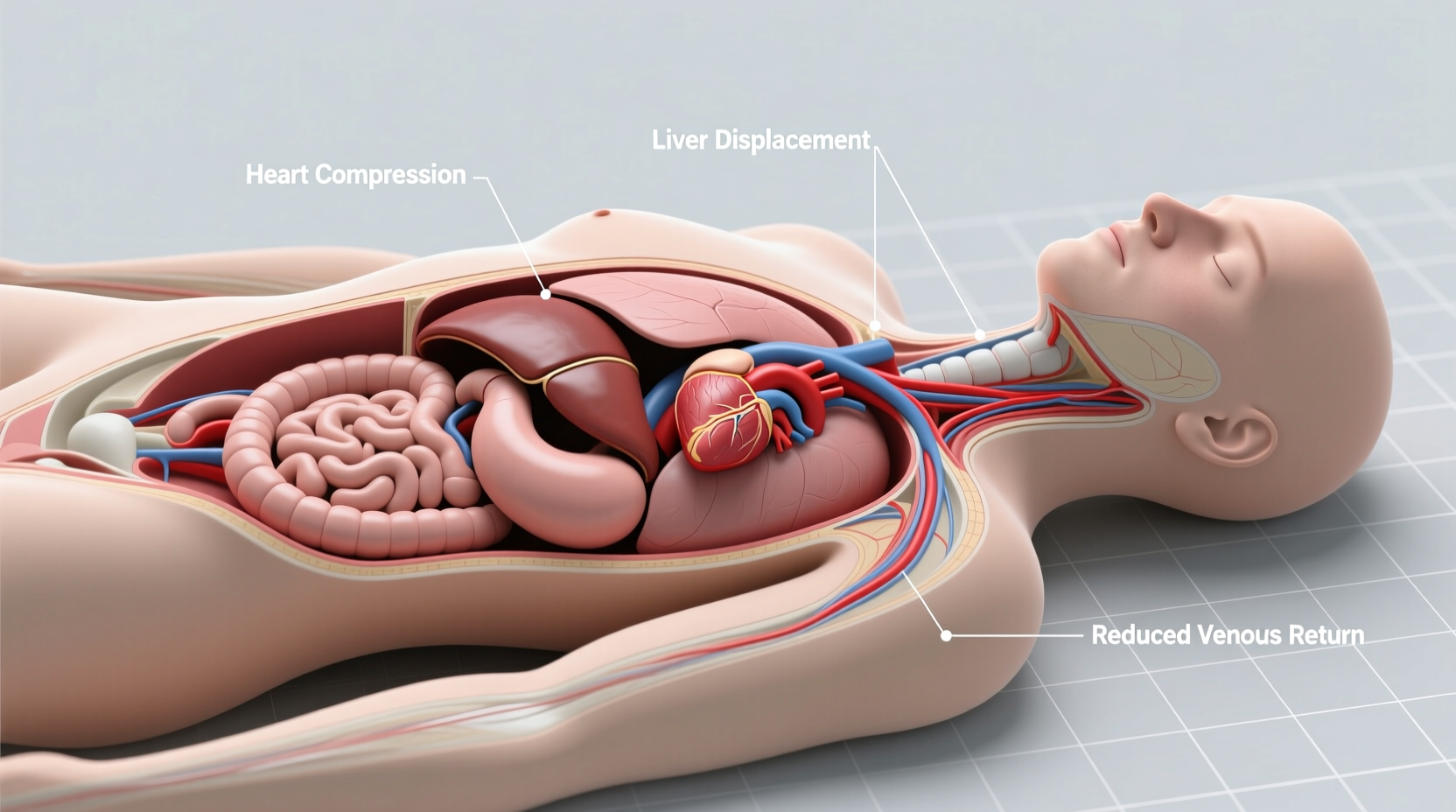
When you lie on your side, gravity affects internal organs differently depending on which side you favor. The human body isn’t perfectly symmetrical; vital organs like the liver, stomach, pancreas, and heart are positioned in ways that respond uniquely to external pressure and gravitational pull. Lying on the right side shifts the stomach and digestive tract in a way that may slow gastric emptying. It also repositions the heart slightly, potentially altering blood flow dynamics, especially in those with cardiovascular sensitivities.
Moreover, the lower esophageal sphincter (LES)—a valve that prevents stomach acid from flowing back into the esophagus—can be compromised by positional changes. When lying on the right, the stomach sits above the esophagus due to anatomical alignment, creating a setup where acid reflux becomes more likely. This phenomenon explains why some people experience nighttime heartburn only when sleeping on their right.
Digestive Discomfort and Gastric Emptying
One of the most studied effects of right-side sleeping relates to digestion. The stomach naturally lies on the left side of the abdominal cavity. When you lie on your right, the pyloric sphincter—the outlet from the stomach to the small intestine—may not align optimally with gravity, slowing the passage of food. A 2009 study published in the Journal of Clinical Gastroenterology found that gastric emptying was significantly slower when participants lay on their right side compared to the left.
This delay can lead to bloating, indigestion, and increased risk of acid reflux. For individuals with gastroesophageal reflux disease (GERD), this positioning can exacerbate symptoms. Because the esophagus enters the stomach from the right, lying on that side allows acidic contents to pool near the junction, increasing the chance of regurgitation.
“Sleeping on the right side may promote reflux because of the anatomical relationship between the stomach and esophagus. Gravity works against you in this position.” — Dr. Michael Levy, Gastroenterologist
Impact on Heart Function and Blood Pressure
While healthy individuals may not notice immediate cardiac effects from right-side sleeping, those with hypertension, heart failure, or arrhythmias should take caution. The heart is located slightly to the left in the chest. When you lie on your right side, the heart shifts upward and toward the chest wall, which can increase pressure on the organ and alter venous return—the flow of blood back to the heart.
Some studies suggest that right-side sleeping may elevate sympathetic nervous system activity, leading to higher nighttime heart rates and reduced heart rate variability (HRV), a marker of cardiovascular resilience. Though not dangerous for most, this shift could disrupt restful sleep and place added strain on an already compromised heart.
In contrast, left-side sleeping has been shown to improve hemodynamics in patients with congestive heart failure by enhancing left ventricular filling. This makes right-side dominance less favorable in clinical populations.
Respiratory Efficiency and Sleep Apnea Considerations
Sleep apnea and other breathing disorders can also be influenced by lateral positioning. While both side positions are generally better than supine (back) sleeping for reducing airway collapse, the right side may not offer optimal lung expansion. The right lung is larger and has three lobes compared to the left’s two, but lying on the right compresses this larger lung, potentially limiting oxygen intake during deep sleep.
Additionally, fluid redistribution during sleep can accumulate in the upper airway, especially when lying laterally. Some evidence suggests that right-side sleeping may increase upper airway resistance slightly more than left, though individual anatomy plays a major role. People who snore or have mild obstructive sleep apnea might find symptom improvement by switching sides.
Real-Life Example: Managing Nocturnal Reflux
Sarah, a 42-year-old teacher, had struggled with frequent nighttime heartburn for months. She avoided spicy foods and took antacids, but symptoms persisted. After a consultation with her gastroenterologist, she was asked about her sleep habits. Sarah admitted she always slept on her right side because it “felt more comfortable.” Her doctor suggested a trial of left-side sleeping, combined with elevating the head of her bed by four inches.
Within a week, Sarah reported a dramatic reduction in acid regurgitation and improved morning energy. A follow-up sleep diary confirmed she was staying on her left side through the night. This simple positional change eliminated her need for nightly medication and improved her overall sleep quality.
Do’s and Don’ts of Side Sleeping
| Do | Avoid |
|---|---|
| Sleep on your left side if you have GERD or digestive issues | Sleeping on your right side after large meals |
| Use a supportive pillow between knees to align the spine | Curling too tightly, which restricts breathing and circulation |
| Elevate your head slightly if prone to reflux | Using overly thick pillows that strain the neck |
| Switch sides occasionally to prevent muscle imbalances | Staying in one position all night without shifting |
Step-by-Step Guide to Transitioning from Right to Left-Side Sleeping
- Assess your current habits: Use a sleep journal or wearable device to track which side you spend most of the night on.
- Create a physical barrier: Place a soft pillow or rolled towel behind your back to discourage rolling onto your right side.
- Reposition before sleep: Consciously lie down on your left side each night to build muscle memory.
- Optimize support: Use a firm mattress and a contoured pillow to maintain spinal alignment.
- Be patient: It may take 2–3 weeks to adjust. Track improvements in digestion or sleep quality during this time.
Frequently Asked Questions
Is it dangerous to sleep on your right side?
Not inherently. For healthy individuals, occasional right-side sleeping is safe. However, chronic use of this position may worsen acid reflux, slow digestion, or affect heart function in sensitive individuals. It’s not considered dangerous but may not be optimal for long-term comfort and health.
Can right-side sleeping cause shoulder or back pain?
Yes. If you lack proper support, any side-sleeping position can lead to joint or spinal misalignment. Sleeping on the right side may place uneven pressure on the right shoulder and hip, especially on a sagging mattress. Using a supportive pillow between the knees helps maintain neutral spine alignment.
Why do some cultures recommend left-side sleeping?
In Ayurvedic medicine, left-side sleeping is believed to enhance lymphatic drainage, aid digestion, and support heart health by promoting optimal flow through the thoracic duct and improving circulation. Modern science partially supports these claims, particularly regarding digestion and cardiovascular efficiency.
Taking Control of Your Sleep Posture
Your sleep position is more than a matter of preference—it’s a modifiable factor that influences how well your body recovers each night. While sleeping on your right side isn’t universally harmful, growing evidence suggests it may interfere with digestion, aggravate reflux, and subtly impact heart and lung function. For those with existing health concerns, even small adjustments can yield noticeable improvements in comfort and vitality.
If you’ve been waking up with unexplained discomfort, acid reflux, or restless nights, consider reevaluating your default sleep side. Shifting to the left may feel awkward at first, but with consistent practice and proper support, it can become second nature—and possibly transform your sleep for the better.




 浙公网安备
33010002000092号
浙公网安备
33010002000092号 浙B2-20120091-4
Comments
No comments yet. Why don't you start the discussion?