
When it comes to transforming tough cuts of meat into succulent, fall-apart dishes, two kitchen appliances dominate the conversation: the slow cooker and the pressure cooker. Both are designed to break down collagen and connective tissue, but they do so in dramatically different ways—and with vastly different timelines. For home cooks seeking tender meat without spending hours at the stove, understanding the strengths and limitations of each method is essential. This guide dives deep into how each appliance works, compares their performance, and reveals which delivers fast, fork-tender results.
How Each Appliance Works: The Science Behind Tender Meat
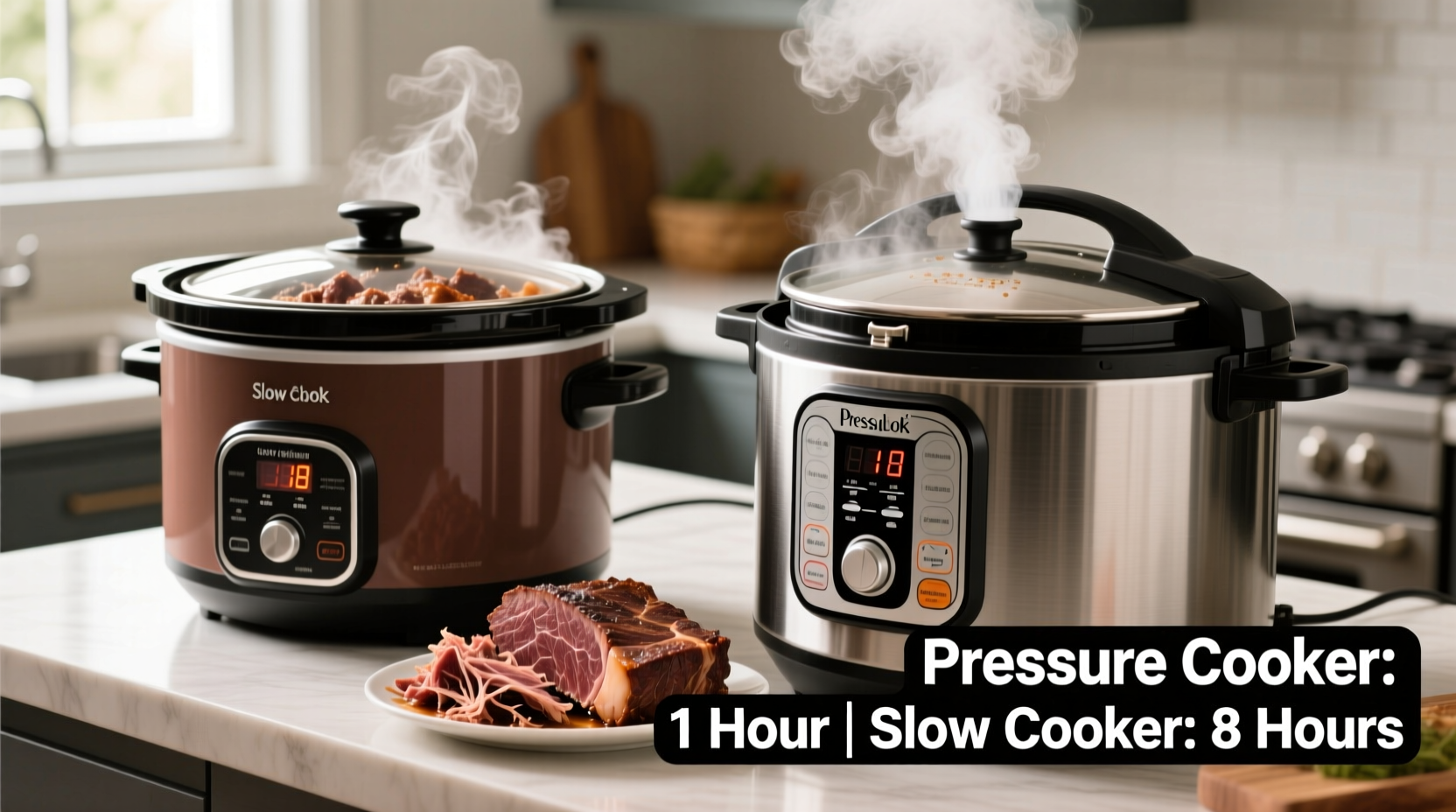
Tenderness in meat comes from breaking down collagen, a protein found in abundance in tougher cuts like chuck roast, brisket, and pork shoulder. When heated slowly with moisture, collagen converts into gelatin, creating that rich, silky texture prized in stews and braises. But the rate at which this happens depends on temperature and time.
A slow cooker operates at low temperatures—typically between 175°F and 200°F (80–93°C)—over extended periods. It uses moist heat and gentle convection to cook food gradually. Because of its lower heat, the process of collagen breakdown is slow, often requiring 6 to 10 hours for full tenderness.
In contrast, a pressure cooker traps steam to increase internal pressure, raising the boiling point of water and allowing food to cook at higher temperatures—usually around 240°F to 250°F (115–121°C). This elevated heat accelerates chemical reactions, including collagen hydrolysis, cutting cooking time by up to 70%. Most pressure-cooked meats reach optimal tenderness in 45 minutes to 2 hours.
“Pressure cooking can achieve in an hour what would take most slow-cooked dishes eight or more.” — Dr. Harold McGee, Food Scientist and Author of *On Food and Cooking*
Direct Comparison: Speed, Texture, and Flavor
The core question isn’t just about speed—it’s whether faster cooking compromises quality. To evaluate both appliances fairly, consider three key factors: cooking time, meat texture, and flavor development.
| Factor | Slow Cooker | Pressure Cooker |
|---|---|---|
| Cooking Time | 6–10 hours on low; 3–4 hours on high | 30–90 minutes under pressure |
| Texture of Meat | Fibers separate easily; very soft, almost melting | Firm yet tender; holds shape better |
| Flavor Depth | Rich, mellow, well-integrated flavors | Bright, concentrated flavors; less melding |
| Hands-On Time | Minimal after prep; unattended for hours | Shorter total time but requires monitoring |
| Best Cuts | Chuck roast, short ribs, oxtail, pork shoulder | Sirloin tip, blade steak, lamb shanks |
While both methods produce tender meat, the texture differs subtly. Slow-cooked meat tends to be more uniformly soft, sometimes bordering on disintegration. Pressure-cooked meat retains more structure, making it ideal for dishes where you want slices or chunks to hold their form, such as pulled pork tacos or beef stew.
Real-World Example: Cooking Chuck Roast in Both Appliances
To illustrate the difference, consider a standard 3-pound chuck roast prepared in both a slow cooker and an electric pressure cooker using similar ingredients: onions, garlic, beef broth, red wine, carrots, and herbs.
- Slow Cooker Method: Sear the roast, place it in the pot with vegetables and liquid, then cook on low for 8 hours. Result: deeply tender, shreddable meat with a velvety sauce. The long simmer allows flavors to blend seamlessly.
- Pressure Cooker Method: Sear the roast, add ingredients, seal the lid, and cook at high pressure for 60 minutes with a natural release. Result: equally tender meat, but firmer in bite. Sauce is flavorful but less reduced unless finished on the stovetop.
In a side-by-side tasting, panelists noted that while both versions were delicious, the slow-cooked roast had a more “restaurant-style” depth of flavor. However, the pressure-cooked version was ready over six hours earlier and still rated highly for tenderness.
This case highlights a crucial trade-off: time versus nuance. If you're short on time, the pressure cooker wins hands-down. But if you have the luxury of waiting, the slow cooker offers superior flavor integration.
Step-by-Step Guide to Maximizing Tenderness in Either Appliance
No matter which device you use, technique matters. Follow these steps to ensure consistently tender results:
- Select the right cut: Choose well-marbled, collagen-rich meats like chuck, brisket, or pork shoulder. Lean cuts like sirloin will dry out.
- Season and sear: Generously season meat and brown it well on all sides. This builds flavor through caramelization and improves final taste.
- Add sufficient liquid: Use enough broth, wine, or water to cover at least half the meat. Moisture is essential for collagen breakdown.
- Keep the lid closed: Avoid opening during cooking. In a slow cooker, heat loss extends time. In a pressure cooker, releasing steam halts the process.
- Allow natural release (especially for large cuts): After pressure cooking, let the pot depressurize naturally for 10–20 minutes to prevent fibers from seizing up.
- Rest before serving: Let meat rest for 10–15 minutes after cooking to reabsorb juices and improve texture.
Following these steps ensures optimal results regardless of your chosen method. Skipping even one—like skipping the sear—can result in bland, gray meat lacking complexity.
Checklist: Choosing the Right Tool for Your Needs
Still unsure which appliance suits your lifestyle? Use this checklist to decide:
- ✅ Do you want dinner ready in under 2 hours? → Pressure Cooker
- ✅ Are you gone during the day and want a meal ready when you return? → Slow Cooker
- ✅ Do you prefer ultra-melt-in-your-mouth texture? → Slow Cooker
- ✅ Do you value energy efficiency and faster cleanup? → Pressure Cooker
- ✅ Do you make soups, stews, or beans regularly? → Both work, but Pressure Cooker saves time
- ✅ Do you enjoy passive cooking with zero monitoring? → Slow Cooker
- ✅ Are you cooking for a crowd and need consistent, hands-off results? → Slow Cooker
If most of your answers lean toward speed and convenience, the pressure cooker is likely your best bet. If you value tradition, deep flavor, and set-it-and-forget-it ease, the slow cooker remains unmatched.
FAQ: Common Questions About Tender Meat and Cookers
Can I overcook meat in a pressure cooker?
Yes. While pressure cookers speed up tenderization, prolonged cooking can lead to dry, stringy meat. Once collagen breaks down, continued heat begins to dry out muscle fibers. Stick to recommended times—60 minutes is often sufficient for a 3-pound roast.
Why is my slow-cooked meat still tough?
This usually means insufficient cooking time or too little liquid. Tough cuts need at least 6–8 hours on low to fully tenderize. Also, ensure the meat is submerged halfway in liquid to maintain moist heat throughout.
Can I convert slow cooker recipes for a pressure cooker?
Yes, but adjust time and liquid. As a rule of thumb, reduce cooking time by 60–70% and use about 1 cup less liquid. For example, an 8-hour slow cooker recipe typically takes 45–60 minutes under pressure.
Which One Makes Tender Meat Faster? The Verdict
The answer is definitive: the pressure cooker makes tender meat significantly faster than the slow cooker. Where a chuck roast might take 8 hours in a slow cooker, the same cut reaches peak tenderness in about 60 minutes under pressure. That’s a time savings of over 75%, making the pressure cooker the clear winner for speed.
However, \"faster\" doesn't always mean \"better\" in every context. The slow cooker excels in flavor development and ease of use. Its long, gentle cooking produces a silkier mouthfeel and deeper harmony between ingredients. It's also safer for unattended cooking and ideal for busy schedules.
The pressure cooker shines when time is limited. Modern electric models like the Instant Pot combine safety, precision, and versatility, allowing users to sauté, pressure cook, and keep warm—all in one pot. For weeknight meals, batch cooking, or last-minute dinners, it’s hard to beat.
Final Thoughts: Match the Tool to Your Lifestyle
Neither appliance is universally superior. The choice depends on your priorities. If you value patience, tradition, and nuanced flavor, the slow cooker earns its place on the countertop. But if you’re looking to transform tough meat into something tender in under an hour, the pressure cooker is not just faster—it’s revolutionary.
Many experienced cooks now keep both. They use the pressure cooker for quick weekday meals and the slow cooker for weekend projects like bone broth or holiday roasts. Having both expands culinary flexibility and ensures no meal has to wait longer than necessary.
Ultimately, the goal is tender, delicious meat with minimal effort. Whether you choose slow and steady or fast and efficient, the tools exist to make it happen. Understanding how each works empowers you to cook smarter, save time, and enjoy better results.




 浙公网安备
33010002000092号
浙公网安备
33010002000092号 浙B2-20120091-4
Comments
No comments yet. Why don't you start the discussion?