
Living in a compact home or urban apartment often means making the most of every square inch—especially in the bathroom. A cramped bathroom doesn’t have to mean constant clutter or sacrificing style for function. With thoughtful planning and clever solutions, even the tiniest washroom can become highly organized and surprisingly spacious. The key lies in rethinking how you use vertical space, hidden areas, and multi-functional fixtures. These practical, tested storage hacks are designed not just to clear visual chaos but to transform your daily routine into something smoother and more enjoyable.
1. Reclaim Vertical Space with Wall-Mounted Solutions
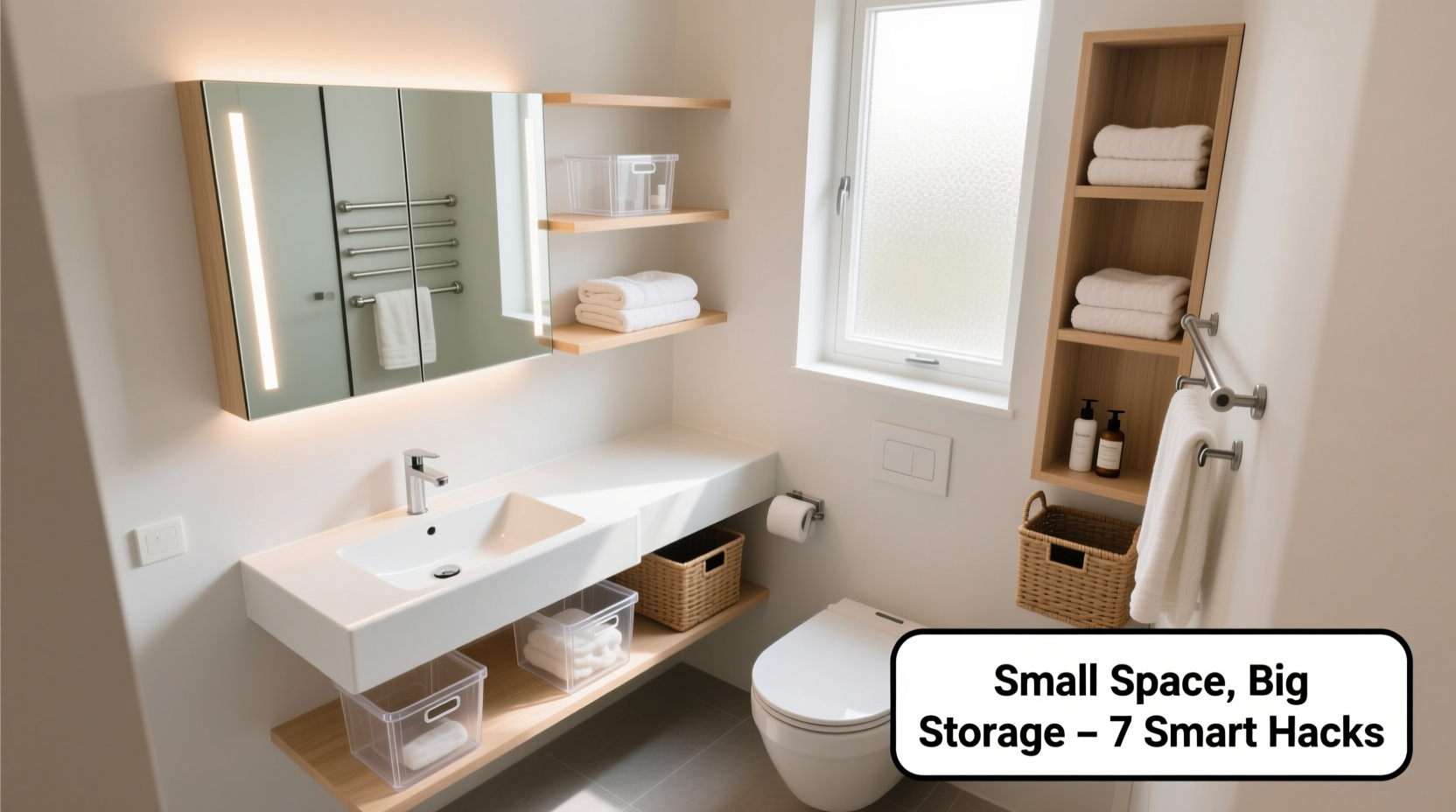
Floor space in a small bathroom is precious. Once you’ve filled the sink cabinet and towel bar, where else can you go? Up. Walls offer underutilized real estate that can be transformed into functional storage zones without crowding the room.
Installing floating shelves above the toilet or beside the vanity instantly adds display and storage capacity. Use them for rolled towels, decorative baskets, or everyday toiletries. For heavier items like hair dryers or skincare tools, opt for sturdy wooden or metal brackets anchored into wall studs.
Magnetic strips are another underrated vertical tool. Mount one inside a medicine cabinet door or on a spare tile near the shower to hold bobby pins, tweezers, or metal-edged razors. It keeps small essentials visible and within reach while freeing up drawer space.
Over-the-door organizers aren’t just for closets. Slim, moisture-resistant models fit neatly over standard bathroom doors and provide pockets for shampoo bottles, dental floss, or cleaning wipes. Choose neutral tones to blend seamlessly into your decor.
2. Optimize Under-Sink Storage with Smart Organizers
The vanity cabinet is often a dumping ground—chaotic, dark, and hard to navigate. Yet it’s one of the largest enclosed storage areas in a small bathroom. With a few strategic upgrades, it can become an efficient command center for daily essentials.
Start by removing everything and assessing what you actually use. Discard expired products, duplicates, and anything you haven’t touched in six months. Then, introduce stackable bins or pull-out trays. Clear plastic containers let you see contents at a glance, while fabric-covered bins soften the look of utilitarian plumbing.
“Organization begins with visibility. If you can’t see it, you won’t use it—and you’ll likely buy it again.” — Lena Patel, Home Efficiency Consultant
Consider adding a slide-out tray on ball-bearing glides beneath the sink. This turns dead space into accessible storage for hair tools, extra toothbrushes, or cleaning supplies. Pair it with labeled bins so everyone in the household knows where things belong.
Under-Sink Optimization Checklist
- Declutter expired or unused products
- Install a slide-out shelf or lazy Susan
- Use stackable, labeled bins
- Add adhesive hooks inside cabinet doors for loofahs or scrub brushes
- Place a small moisture-absorbing packet to prevent mildew
3. Maximize Corner and Awkward Spaces
Corners are often overlooked because standard furniture doesn’t fit well there. But they’re ideal for triangular shelves, corner cabinets, or tension rods set diagonally to hang lightweight items.
A corner shelf unit made of rust-resistant metal or bamboo fits snugly above the toilet or next to the tub. Use it for folded hand towels, candles, or guest amenities. In the shower, a corner caddy eliminates the need for bulky tub trays and prevents soap scum buildup on flat surfaces.
For awkward gaps between the vanity and wall, insert a slim rolling cart. Many are only 10–12 inches wide but feature three tiers for linens, jars, or plants. When not in use, tuck it behind the door or under the sink.
| Problem Area | Solution | Recommended Product Type |
|---|---|---|
| Corner beside toilet | Triangular open shelf | Bamboo or powder-coated steel |
| Narrow gap next to vanity | Sliding narrow cart | Rolling utility trolley with casters |
| Shower corner | Hanging mesh caddy | Stainless steel with suction cups |
| Behind the door | Over-door organizer | Water-resistant fabric with clear pockets |
4. Dual-Purpose Fixtures That Save Space
In a small bathroom, every fixture should earn its place. Multi-functional pieces do double duty—providing storage while serving their primary purpose.
A mirrored medicine cabinet is a classic example. Modern versions include built-in lighting, defogging features, and adjustable interior shelves. Some even have electrical outlets inside for charging electric toothbrushes or shavers.
Choose a vanity with built-in drawers instead of hinged doors if possible. Drawers allow full access to contents and prevent items from getting lost in the back. Look for models with divided compartments for makeup, cotton swabs, or travel-sized products.
Another innovative option: a ladder-style towel warmer with horizontal bars. It functions as both a heater and a drying rack, but the rungs also work as shelves for folded towels or robes. Even when not powered, it adds texture and warmth to the room.
Step-by-Step: Convert a Standard Shower Niche into Smart Storage
- Assess the depth and width of your existing niche (or plan dimensions if building new).
- Line it with a removable silicone mat to prevent slipping and protect bottles.
- Add tiered shelf risers to create levels for smaller items like shampoo caps or razors.
- Use magnetic labels or waterproof tags to identify family members’ products.
- Store overflow items in hanging mesh bags attached to the showerhead rod.
5. Real-Life Example: Transforming a 35-Square-Foot Bathroom
Sarah, a graphic designer living in a converted Brooklyn brownstone, faced a major challenge: her shared second-floor bathroom measured just 5 feet by 7 feet. With no linen closet nearby and two adults using the space, clutter quickly piled up—towels on the floor, toiletries spilling off the counter, and cleaning supplies stacked behind the door.
She began by measuring every inch of available space. Using online planning tools, she mapped out a storage strategy focused on elevation and invisibility. She installed a tall, narrow cabinet above the toilet—just 10 inches deep but nearly 6 feet high—to house rolled towels, extra toilet paper, and first-aid supplies.
Inside the vanity, she added a pull-out bin on rails to store hair tools vertically. Magnetic strips were mounted inside the cabinet doors for bobby pins and scissors. Over the door, a slim organizer held dental care products and travel kits.
In the shower, she replaced a bulky caddy with a recessed niche fitted with a teak shelf. She painted the surrounding tiles a light gray to make the space feel larger and used matching glass jars to store cotton balls and bath salts.
Within two weekends and under $200, Sarah turned a chaotic space into a calm, functional retreat. “It’s not about having more room,” she said. “It’s about designing smarter habits into the space you already have.”
6. Common Mistakes That Waste Small Bathroom Space
Even with good intentions, many people accidentally sabotage their own organization efforts. Recognizing these pitfalls can save time, money, and frustration.
- Overcrowding countertops: Every item left out reduces usable surface area and makes cleaning harder.
- Using oversized storage: A large basket may seem useful, but if it doesn’t fit neatly, it creates visual bulk.
- Ignoring moisture levels: Cardboard boxes or untreated wood degrade quickly in humid environments.
- Skipping labeling: Without clear identification, systems break down—especially in shared bathrooms.
- Forgetting maintenance: Storage isn’t a one-time fix. Monthly check-ins prevent gradual clutter buildup.
“Efficiency isn’t achieved through more stuff—it’s achieved through better design.” — Marcus Reed, Interior Architect
FAQ: Small Bathroom Storage Questions Answered
Can I add shelves in a rental bathroom?
Yes—with limitations. Use damage-free solutions like adhesive shelves rated for bathrooms, tension rods, or freestanding units. Check your lease agreement first, and consider removable wallpaper or peel-and-stick tiles to enhance aesthetics without permanent changes.
How do I keep stored items from getting damp?
Humidity is the enemy of long-term storage. Use sealed containers for powders and medicines. Place silica gel packets in cabinets, and run the exhaust fan during and after showers. Wipe down wet surfaces weekly to prevent mold.
What’s the best way to organize a shared bathroom?
Assign personal zones. Use color-coded containers, separate drawers, or labeled baskets. Rotate deep-cleaning duties monthly to maintain order. Consider a shared digital checklist for restocking essentials like soap or toilet paper.
Final Thoughts: Small Changes, Big Impact
A small bathroom doesn’t limit your comfort—it challenges your creativity. By embracing verticality, repurposing forgotten corners, and selecting intelligent fixtures, you can unlock surprising amounts of storage without remodeling. The goal isn’t perfection, but progress: creating a space that feels intentional, clean, and easy to maintain.
Start with one change—a shelf, a bin, a decluttering session. Build momentum gradually. Over time, these small interventions compound into a bathroom that works for you, not against you. Organization isn’t about fitting more in; it’s about making room for peace.




 浙公网安备
33010002000092号
浙公网安备
33010002000092号 浙B2-20120091-4
Comments
No comments yet. Why don't you start the discussion?