
It starts with a simple question: “Which one should I pick?” You stand in front of your closet, eyeing two bags—one compact and boxy, the other sleek and elongated. One is a small square bag; the other, a classic rectangle. Both are stylish. Both fit your outfit. But which one actually works better for your life?
The debate between small square bags and rectangular ones isn’t just about aesthetics. It’s about how design influences function, comfort, and long-term usability. While it might seem like an overthought detail, the truth is, bag shape subtly shapes your daily experience—how much you can carry, how easily items are found, and even how confident you feel walking into a meeting or a weekend brunch.
Let’s cut through the noise and examine what really matters when choosing between these two popular silhouettes.
The Functional Differences: Capacity and Organization
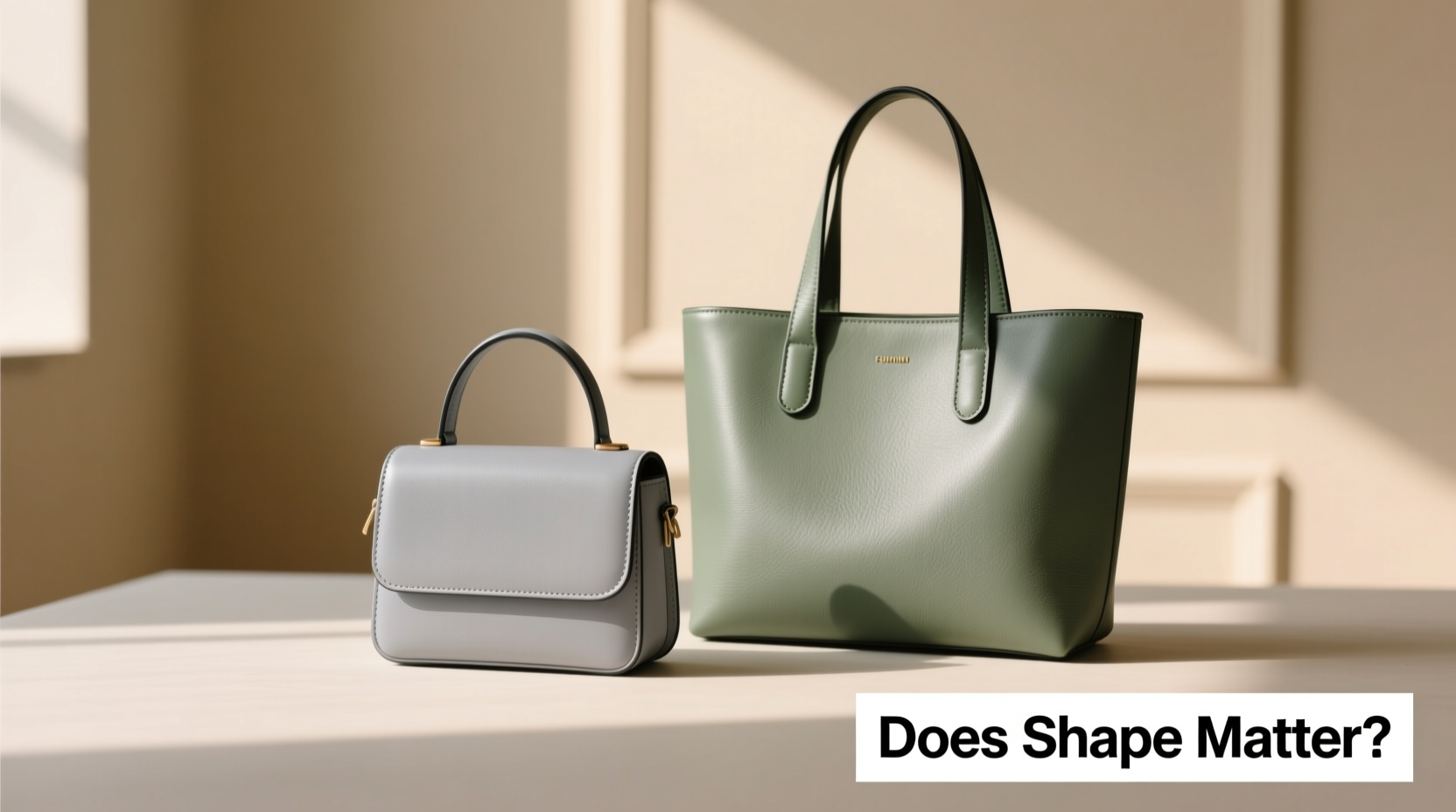
At first glance, both bags may appear similar in size, but their internal geometry creates vastly different experiences. A rectangular bag typically offers more linear depth and height, allowing for vertical organization. This makes it easier to slide in a wallet, phone, sunglasses case, and even a slim notebook without things shifting around.
In contrast, a square bag distributes space more evenly across width and height, often sacrificing depth. That means while it might hold the same number of items, accessing them can be trickier—especially if the opening is narrow. Items tend to pile on top of each other, making retrieval a game of rummage roulette.
| Feature | Square Bag | Rectangle Bag |
|---|---|---|
| Internal Depth | Limited (often shallow) | Greater (allows vertical stacking) |
| Item Accessibility | Moderate (items overlap) | High (easier to see and reach) |
| Fits Standard Wallet? | Usually yes, but tight | Easily accommodates |
| Ideal For | Minimalists, evening wear | Daily use, multitaskers |
Style and Proportion: How Shape Complements Your Look
Fashion isn’t just about utility—it’s about harmony. The shape of your bag interacts with your body proportions, outfit silhouette, and personal aesthetic.
Square bags tend to project modernity and architectural flair. Their clean lines pair well with tailored blazers, minimalist dresses, or structured coats. They create a deliberate visual statement, often serving as a focal point in an outfit. Designers like Jacquemus and Jil Sander have championed this trend, turning tiny square bags into runway icons.
Rectangle bags, on the other hand, offer a timeless balance. Their elongated form follows natural body lines, creating a smoother transition from shoulder to hip. This makes them ideal for professional settings or casual outings where subtlety is key. Think of the classic crossbody from Cuyana or the everyday tote from Polène—their rectangles aren’t accidental; they’re engineered for elegance and ease.
“Shape dictates not just function, but emotional resonance. A square bag says ‘I’m intentional.’ A rectangle says ‘I’m prepared.’ Both are valid—but know which message you want to send.” — Lena Torres, Fashion Stylist & Consultant
A Real-Life Scenario: Commuting vs. Evening Out
Meet Sarah, a graphic designer living in Brooklyn. Her weekday commute involves subway transfers, coffee stops, and client meetings. She used to carry a trendy square micro-bag because it matched her aesthetic—until she missed a Zoom call because she couldn’t find her AirPods buried under lip balm and receipts.
She switched to a slim rectangular crossbody with divided compartments. Suddenly, her keys had a dedicated slot, her phone was visible at a glance, and her cardholder slipped right into a zippered inner pocket. The difference wasn’t just convenience—it was reduced mental load.
But on weekends, Sarah still reaches for her square bag. When she’s heading to a rooftop bar with friends and only needs her ID, cash, and lipstick, the square bag feels playful and fitting. Its compactness keeps her light and unencumbered.
This duality shows that neither shape is universally superior. The best choice depends on context—and recognizing when simplicity trumps capacity, and vice versa.
How to Choose: A Practical Decision Framework
Rather than obsessing over trends, build your decision around lifestyle needs. Follow this step-by-step guide to determine which shape aligns with your reality.
- Inventory your daily essentials. List everything you carry regularly: phone, wallet, keys, sanitizer, glasses, etc.
- Measure your phone and wallet. Many square bags struggle with larger smartphones (like iPhone Pro Max or Galaxy S24 Ultra).
- Test openness and closure type. Zippers offer security but limit visibility; magnetic flaps are faster but less secure.
- Consider strap length and drop. Shorter straps on square bags may require frequent adjusting; longer drops on rectangles aid hands-free mobility.
- Match to your dominant activities. Office days favor rectangles; nights out allow room for square statements.
Checklist: Is This Bag Right for My Life?
- ✅ Can I access my phone without dumping contents?
- ✅ Does my wallet fit flat and securely?
- ✅ Is the strap comfortable after 30 minutes of wear?
- ✅ Can I add a small umbrella or reusable bag if needed?
- ✅ Does the shape complement my most-worn outfits?
- ✅ Am I choosing based on need—or just Instagram appeal?
Common Misconceptions About Bag Shapes
Many people assume that smaller = more fashionable, or that structured means stiff and uncomfortable. These myths cloud judgment.
Misconception 1: “Square bags are impractical.” Not true—if designed well, they can include smart compartments. Some even feature fold-over tops that expand capacity temporarily.
Misconception 2: “Rectangular bags look boring.” On the contrary, their clean lines highlight quality materials and craftsmanship. A buttery leather rectangle with subtle hardware radiates quiet confidence.
Misconception 3: “Only one bag shape can define my style.” In reality, evolving lifestyles demand versatility. Owning both types—as complementary tools—is not overthinking. It’s strategic dressing.
FAQ: Your Shape Questions, Answered
Can a small square bag work as an everyday carry?
Yes, but only if you strictly edit your essentials. If you're someone who carries only phone, cardholder, and lip balm, a well-designed square bag can be perfect. However, if you frequently switch between errands, work, and social plans, a rectangle will likely serve you better.
Do rectangle bags suit petite frames?
Absolutely. The key is proportion. Opt for a narrower width and shorter height. A slim rectangle that hits at the hip maintains balance without overwhelming a smaller frame. Avoid overly long styles that extend below the waist.
Are square bags just a passing trend?
While micro-square bags peaked in viral popularity, the broader category of geometric, structured bags has staying power. Designers continue reinterpreting the square form with new materials and closures. As long as functionality evolves alongside fashion, square bags will remain relevant—for specific uses.
Final Thoughts: Stop Overthinking, Start Aligning
You’re not overthinking—you’re paying attention. And that’s a good thing. The fact that you’re weighing the merits of a square versus a rectangle means you care about how your choices impact your day-to-day life. That awareness is half the battle.
The shape of your bag does matter—not because one is objectively better, but because each supports a different rhythm of living. A square bag celebrates minimalism and intentionality. A rectangle honors preparedness and flow. Neither wins by default. The real victory lies in matching form to function.
If you’ve been agonizing over this decision, give yourself permission to own both. Let your wardrobe reflect the full range of your life: dynamic, layered, and ever-changing.




 浙公网安备
33010002000092号
浙公网安备
33010002000092号 浙B2-20120091-4
Comments
No comments yet. Why don't you start the discussion?