
Every traveler knows the frustration: standing at the baggage carousel, scanning a sea of nearly identical black duffel bags, hoping to spot yours before someone else grabs it by mistake. In today’s fast-paced travel environment, where efficiency and clarity matter, distinguishing your luggage isn’t just convenient—it’s essential. Whether you're a frequent flyer or an occasional vacationer, a few smart, low-effort strategies can ensure your bag stands out instantly, reducing stress and eliminating mix-ups.
The key isn’t in buying expensive luggage tags or flashy accessories alone—it’s in combining visibility, consistency, and personalization in ways that work whether you’re arriving in Tokyo or returning to Toronto. Below are practical, proven methods used by seasoned travelers, flight attendants, and airport staff to make identification effortless.
Choose High-Visibility Colors and Patterns
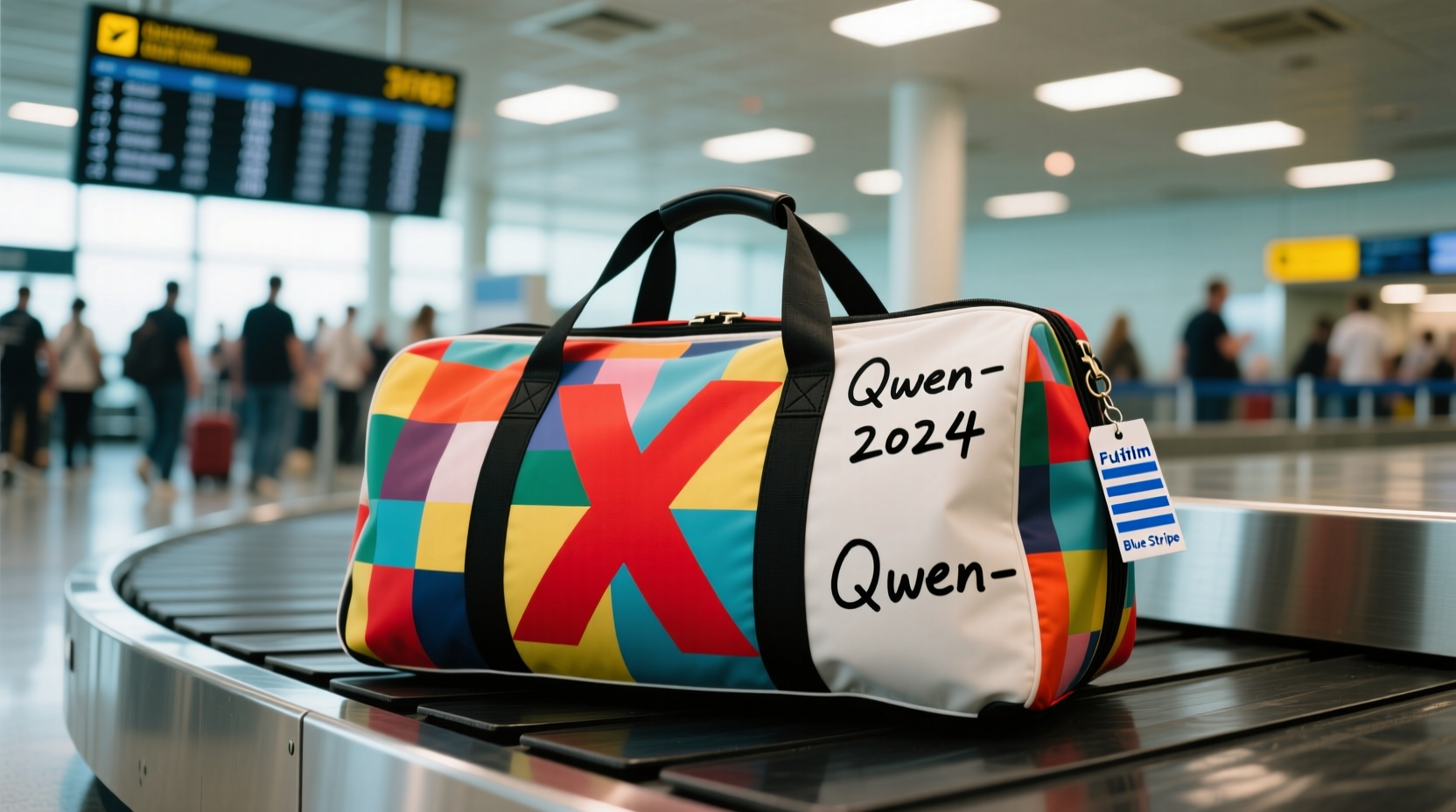
While black, navy, and gray remain popular for their perceived sophistication, they’re also the most common—and the hardest to distinguish in a pile. Opting for bold colors or unique patterns dramatically increases your chances of spotting your bag at a glance.
Bright red, electric blue, forest green, or even two-tone combinations break visual monotony. Consider luggage with geometric prints, stripes, or textured materials like ripstop nylon or quilted fabric. These subtle differences catch light differently, making them easier to identify from a distance.
Use Distinctive Luggage Tags and Attachments
A standard ID tag is functional but rarely memorable. Upgrade to oversized, uniquely shaped, or animated tags. Think fuzzy pom-poms, miniature flags from your home country, or 3D animal shapes. The more personality your tag has, the faster your brain registers it amid clutter.
Attach these not just to the handle, but also to zippers or side loops. Multiple points of visual interest increase recognition angles—especially useful if your bag lands sideways.
Airlines recommend keeping contact information private on external tags (to prevent misuse), so use tags with a window for non-permanent inserts. Inside, include your full name, phone number, and email. For added security, register your bag with your airline’s tracking system if available.
Create a Consistent Travel Identity
Frequent travelers benefit from developing a “signature look” across their gear. This could be a specific ribbon tied around the handle, a branded patch sewn onto the side, or even a distinctive knot in the drawstring.
Consistency builds muscle memory. Over time, your brain learns to scan for that one familiar detail—like a yellow paracord loop or a vintage enamel pin—without needing to read labels or inspect logos.
This method works especially well for families or teams traveling together. Assign each member a color-coded accessory: red bandana for Dad, purple strap for teen, green tassel for youngest. Instant recognition, zero confusion.
“Passengers who personalize their bags reduce retrieval time by up to 40% compared to those using plain luggage.” — Carlos Mendez, Senior Ground Operations Manager, SkyLink Airlines
Step-by-Step Guide: Make Your Duffel Unmistakable in 5 Minutes
You don’t need to overhaul your travel gear. Follow this quick sequence before your next trip:
- Inspect your current duffel: Is it a common color? Does it lack standout features?
- Add a primary identifier: Tie a durable, colorful fabric strip or bungee ball cord around the main handle.
- Attach a dynamic tag: Use a swinging tag with movement—a charm, feather, or small flag—that catches peripheral vision.
- Label internally: Place a bright note or business card inside with your name and destination.
- Test visibility: Set your bag among similar ones in your living room. Can you pick it out within three seconds?
This routine takes less than five minutes but pays dividends every time you land.
Do’s and Don’ts of Bag Identification
| Do | Don't |
|---|---|
| Use bright, durable attachments that won’t fall off | Rely solely on a small leather tag with no contrast |
| Choose items that move or reflect light (e.g., metallic ribbons) | Use temporary stickers that peel easily |
| Keep personal info secure—use coded internal labels | Display full address or passport number externally |
| Standardize your identifiers across trips | Change your bag’s look frequently without reason |
| Carry a mental image of your bag’s unique feature | Assume your brand logo is enough to identify it |
Real Example: How a Teacher Avoided Luggage Chaos After a School Trip
Jamie Rivera, a high school chaperone from Portland, once led 28 students on a week-long educational tour. All students carried identical black duffels provided by the school. On return, Jamie anticipated chaos at baggage claim—until she remembered a trick from her flight attendant cousin.
Before departure, she gave each student a $1 wristband in their favorite color and had them tie it securely to the zipper pull. She also took a photo of each student with their tagged bag. Upon landing, instead of calling names, she simply said, “Look for your color,” and within 90 seconds, every student had retrieved their correct bag.
No lost luggage. No disputes. Just color-coded clarity.
FAQ: Common Questions About Identifying Duffel Bags
Can I use duct tape to mark my bag?
You can, but it’s not ideal. Colored duct tape may leave residue, damage fabric, or peel off during transit. Instead, use woven fabric tape, paracord, or silicone straps designed for luggage—they’re reusable and gentler on materials.
What if my bag gets damaged and loses its tag?
Always have a backup identifier. Sew a permanent label inside with your initials and phone number. Some travelers embroider their monogram on a corner pocket. Even if external tags vanish, you’ll still have proof of ownership.
Are GPS trackers worth it for duffel bags?
For high-value or irreplaceable contents, yes. Compact Bluetooth or cellular trackers (like Apple AirTag or Tile) can help locate a misplaced bag within airports or terminals. However, they don’t replace visual identification—they complement it. Pair a tracker with a visible marker for best results.
Final Checklist Before You Fly
- ✅ Choose a bag with a unique color or texture
- ✅ Attach a moving or brightly colored luggage tag
- ✅ Add a secondary identifier (ribbon, strap, pin)
- ✅ Include internal ID with contact details
- ✅ Take a clear photo of your packed bag
- ✅ Confirm all attachments are secure and airline-compliant
This checklist ensures you’re never left guessing at the carousel. It’s not about having the fanciest bag—it’s about being the first to spot yours.
Travel Smarter, Not Harder
Identifying your duffel bag shouldn’t be a game of chance. With minimal effort and a bit of creativity, you can transform an anonymous piece of luggage into a recognizable extension of your travel identity. The goal isn’t just speed—it’s peace of mind. Knowing your bag will stand out means one less thing to worry about as you navigate terminals, customs, and connections.
Start implementing these strategies now. Next time you step off the plane, watch as others scan the pile while you walk straight to your bag—confident, calm, and ready for what’s next.




 浙公网安备
33010002000092号
浙公网安备
33010002000092号 浙B2-20120091-4
Comments
No comments yet. Why don't you start the discussion?