
For professionals navigating city streets, public transit, or early morning bike rides, the daily commute is more than a journey—it’s a transition from personal time to professional presence. The right commuter jacket does more than shield you from rain or wind; it sets the tone for your day. When chosen and worn with intention, a commuter jacket becomes an extension of your work persona—polished, capable, and effortlessly put together. But too often, functionality comes at the cost of style, leaving wearers caught between soggy outerwear and stiff office coats. The solution lies in smart selection, strategic layering, and subtle styling cues that bridge the gap between urban practicality and workplace elegance.
The Role of the Commuter Jacket in Modern Workwear
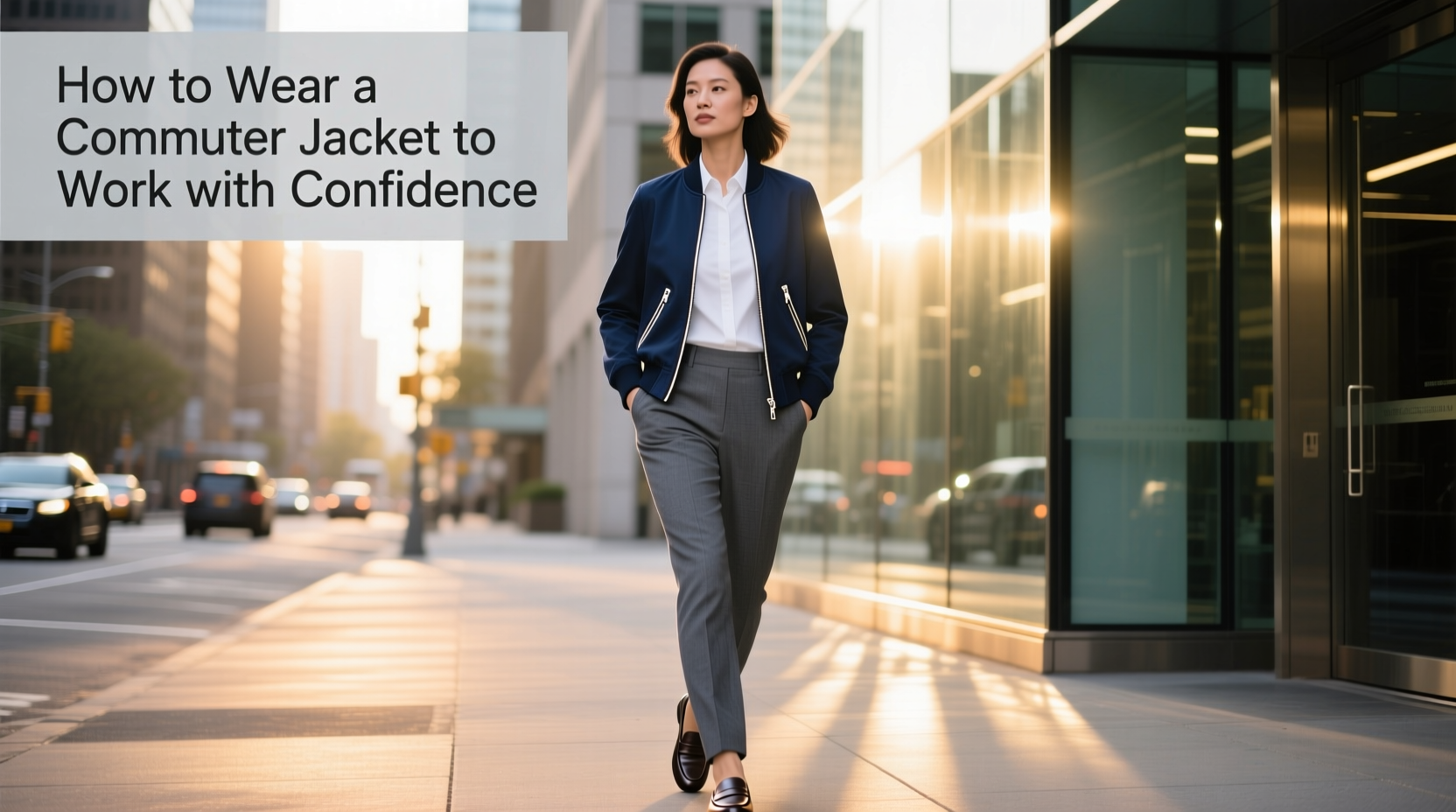
Gone are the days when work attire began at the office door. Today’s professionals arrive already seen—in meetings on the move, video calls from transit, or networking over morning coffee. Your outerwear is no longer background; it’s part of your visual identity. A well-chosen commuter jacket offers protection without sacrificing professionalism. It should handle variable conditions—sudden showers, air-conditioned lobbies, overheated subway cars—while maintaining a silhouette appropriate for client-facing roles or collaborative environments.
The best commuter jackets balance breathability, water resistance, and structure. Materials like technical wool blends, waxed cotton, or lightweight performance fabrics offer durability without bulk. Look for features such as underarm vents, discreet hoods, and interior pockets designed for tech devices. These details aren’t just functional—they signal thoughtfulness, a trait highly valued in any workplace.
“Your outerwear is the first impression you make before you even speak. In cities where people move fast, a sharp yet practical jacket communicates efficiency and self-awareness.” — Lena Torres, Urban Style Consultant
Choosing the Right Jacket for Your Commute and Culture
Not all commutes—or offices—are the same. The ideal jacket depends on both environment and dress code. A tech worker biking through Seattle needs different protection than a consultant walking ten blocks in downtown Chicago. Equally important is understanding your workplace’s unspoken rules. Is your office business formal, creative casual, or somewhere in between?
| Workplace Vibe | Jacket Type | Key Features |
|---|---|---|
| Corporate/Formal | Tailored trench or wool-blend coat | Single-breasted cut, neutral color (navy, charcoal), minimal hardware |
| Biz-Casual | Water-resistant field jacket or chore coat | Subtle branding, clean lines, zip-and-storm flap closure |
| Creative/Startup | Technical parka or modern bomber | Color accents, hidden hoods, multi-pocket design |
| Hybrid (Remote + Office) | Convertible jacket (removable liner) | Lightweight, packable, adaptable to temperature swings |
Mastering the Transition: From Transit to Desk
The hallmark of a truly effective commuter jacket is its ability to move seamlessly from sidewalk to boardroom. This requires attention to three key elements: layering, grooming, and adaptability.
Step-by-Step Guide: The 5-Minute Office Arrival Routine
- Remove the jacket before entering the building to let moisture evaporate and avoid tracking dampness indoors.
- Shake gently at the shoulders to release creases and restore drape.
- Check hair and collar—hoods can flatten hairstyles or leave lint on light-colored clothing.
- Roll or hang strategically. If space allows, hang it open. Otherwise, roll from the shoulders down to minimize shoulder bumps.
- Refresh with a lint roller if needed, especially after transit seating.
This small ritual takes less than five minutes but makes a visible difference in perceived preparedness. It also extends the life of the garment by reducing stress on seams and zippers.
Styling Strategies for Smart Confidence
Style isn’t about fashion alone—it’s about coherence. A commuter jacket should complement your outfit, not dominate it. Consider these principles:
- Color coordination: Stick to a capsule palette—navy, gray, black, or olive—with one accent piece (scarf, bag, shoes) to add personality.
- Proportion control: Avoid bulky layers underneath. A fine-gauge merino sweater or slim turtleneck maintains sleekness under most jackets.
- Footwear alignment: Match your shoes to your destination, not your commute. Swap sneakers for loafers in a bag, or keep a pair of low-heeled ankle boots at the office.
- Accessories matter: A minimalist backpack or structured tote reinforces professionalism, even when carried alongside a technical jacket.
In cooler months, consider a reversible jacket—one side rugged for travel, the other sleek for the office. Simply flipping the jacket changes the entire impression.
Real Example: Maya’s Morning Flow
Maya, a project manager in Boston, bikes 20 minutes to work year-round. In winter, she wears a charcoal-gray hybrid jacket with a wool exterior and a quilted thermal liner. She removes the liner upon arrival, transforming the coat into a tailored-looking top layer suitable for team stand-ups. “I used to carry two coats,” she says. “Now I walk in looking composed, even after battling snow flurries. My colleagues don’t see the commute—I just look ready.”
Essential Checklist: Before You Buy a Commuter Jacket
Commuter Jacket Buyer’s Checklist:
- ✅ Water-resistant or waterproof, depending on climate
- ✅ Breathable fabric to prevent overheating
- ✅ Hidden or packable hood
- ✅ Interior pockets for phone, wallet, keys
- ✅ Sleeve cuffs that fit over or under shirt cuffs cleanly
- ✅ Length that covers hips (for warmth and proportion)
- ✅ Neutral or complementary color to existing wardrobe
- ✅ Machine-washable or easy-care fabric
Frequently Asked Questions
Can I wear a puffer jacket to the office?
Yes—if it’s streamlined and styled correctly. Opt for a sleeveless vest or a short, tailored puffer in dark tones. Pair it with a crisp button-down and blazer underneath for a layered, intentional look. Avoid oversized, shiny versions unless your workplace culture embraces casual innovation.
How do I avoid looking disheveled after taking off my jacket?
Prevent creasing by choosing jackets with memory-retaining fabrics or structured shoulders. Roll rather than fold when storing. Keep a compact mirror or use your phone camera for a quick check of collar alignment and hair before entering meeting spaces.
Is it worth investing in a high-end commuter jacket?
Absolutely. A $300 jacket worn 150 days a year costs less than $2 per day—and saves time, discomfort, and wardrobe malfunctions. High-end models often feature superior craftsmanship, longer warranties, and better environmental resistance, making them cost-effective over time.
Dress for the Destination, Not Just the Journey
The most confident commuters don’t just survive their route—they arrive with presence. A smart commuter jacket is more than weather armor; it’s a tool for psychological preparation. Slipping it on signals focus. Removing it signals readiness. When your outerwear aligns with your ambitions, you step into the office not as someone who battled the elements, but as someone who mastered the transition.
Start by auditing your current jacket: does it serve your lifestyle and image? If not, prioritize function without sacrificing form. Choose one upgrade—a better fit, smarter fabric, cleaner lines—and build from there. Small improvements compound into lasting confidence.




 浙公网安备
33010002000092号
浙公网安备
33010002000092号 浙B2-20120091-4
Comments
No comments yet. Why don't you start the discussion?