
In an era where minimalism meets functionality, the need to streamline daily carry has never been more relevant. Gone are the days of bulky wallets, overstuffed pockets, and juggling multiple items just to step out the door. The modern solution? Combining your phone and essential cards into a single, sleek case. This approach not only reduces clutter but enhances accessibility, security, and personal style. Whether you're commuting, traveling, or simply navigating a busy day, integrating your essentials into one compact unit can transform your routine.
Why Consolidate Phone and Cards?
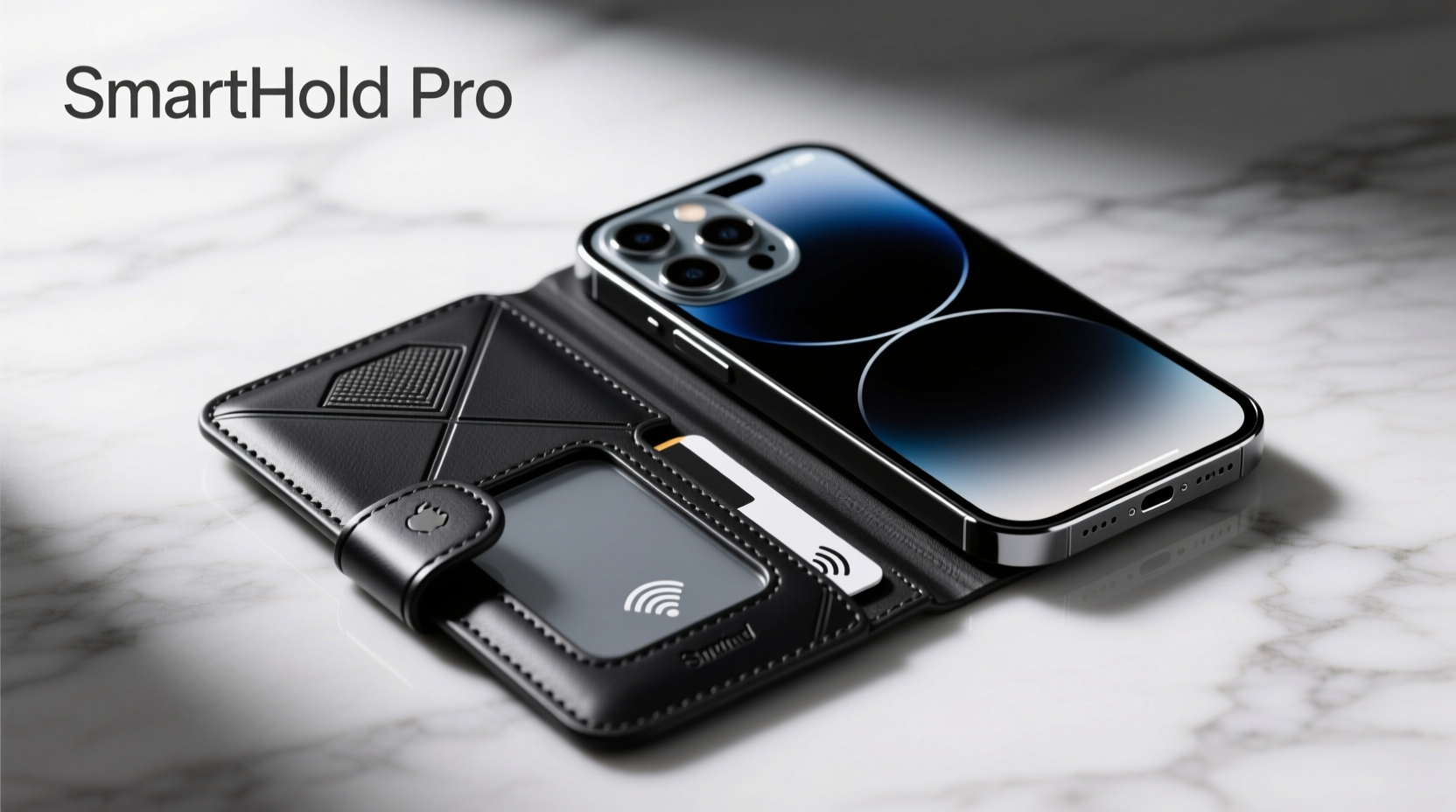
The average person carries at least three to five cards—driver’s license, credit card, transit pass, gym membership—and often forgets one when it's needed most. Pair that with a smartphone, and you’ve got two of the most important items in your daily life scattered across different pockets or bags. Merging them into one case eliminates the risk of misplacing either, streamlines access, and supports a minimalist lifestyle.
From a practical standpoint, fewer items mean less weight, reduced friction in movement, and faster transactions—especially with contactless payments becoming standard. Stylistically, unified cases offer a clean silhouette under jackets, in tight jeans, or during active use. No more bulging back pockets or awkward fumbling at checkout counters.
“Smart integration of tech and accessories reflects a deeper shift toward intentional living—where every item serves a purpose without compromising aesthetics.” — Lena Patel, Urban Lifestyle Designer
Top Design Approaches for Integrated Cases
Not all multi-functional cases are created equal. The best designs balance durability, accessibility, and visual appeal. Here are the leading structural approaches currently shaping the market:
- Wallet-Integrated Back Panels: These cases feature a slim compartment on the rear, typically holding 2–3 cards. Made from TPU, silicone, or leather, they allow quick access while maintaining a low profile.
- Fold-Over Wallet Cases: With a front flap that secures via magnet or snap, these protect the screen and double as cardholders. Ideal for those who prefer screen coverage but still want consolidation.
- Modular Magnetic Attachments: Brands like MagSafe-compatible cases enable detachable wallet accessories. This offers flexibility—you can add or remove the wallet based on daily needs.
- Hybrid Rugged Designs: Built for outdoor enthusiasts, these combine shock absorption with internal card slots, often including ID windows and cash sleeves.
Choosing the Right Case: A Buyer’s Checklist
Selecting the perfect integrated case requires attention to both form and function. Use this checklist to guide your decision:
- ✔️ Compatible with your phone model (exact fit for buttons, ports, and wireless charging)
- ✔️ Holds at least two cards securely (test for slippage when inverted)
- ✔️ Supports contactless payments (NFC-friendly material near card slot)
- ✔️ Maintains slimness (under 8mm total thickness preferred)
- ✔️ Offers drop protection (look for MIL-STD-810G certification if needed)
- ✔️ Features a premium finish (matte, vegan leather, or textured grip)
- ✔️ Allows easy card access without removing the phone
Real-World Example: Commuting with Confidence
Consider Maya, a graphic designer in Seattle who commutes daily via light rail and walks the final mile to her studio. She used to carry a small crossbody bag with her phone, wallet, keys, and earbuds. Over time, the bag became a source of discomfort, swinging awkwardly during rush hour. After switching to a MagSafe-compatible wallet case, she eliminated the bag entirely. Now, she taps her train pass directly through the case, uses her credit card slot for coffee purchases, and keeps her phone secure in her jacket pocket. Her morning routine is faster, her posture improved, and she reports feeling “lighter” both physically and mentally.
This isn’t just about convenience—it’s about reclaiming small moments of ease in a fast-paced world.
Comparison Table: Case Types at a Glance
| Type | Card Capacity | Pros | Cons | Best For |
|---|---|---|---|---|
| Wallet-Back Case | 2–3 cards | Slim, always attached, NFC-friendly | Limited storage, harder to replace if damaged | Daily urban use |
| Fold-Over Wallet | 3–5 cards + cash | Screen protection, larger capacity | Bulkier, may interfere with stands | Travelers, frequent drivers |
| Magnetic Modular | 1–3 cards (detachable) | Flexible, sleek when removed, charges wirelessly | Extra cost, attachment may loosen over time | Tech-savvy users |
| Rugged Hybrid | 2–4 cards | Durable, drop-tested, weather-resistant | Heavier, less stylish | Outdoor workers, adventurers |
Step-by-Step: How to Transition to a Single-Case System
Moving from a traditional wallet-and-phone setup takes a little planning. Follow this timeline to make the switch smoothly:
- Week 1: Audit Your Carry
List every item you regularly carry. Identify which cards are essential (license, primary credit, transit). Remove expired or rarely used ones. - Week 2: Test Minimalism
Carry only your phone and one card in your pocket. Notice how often you actually need additional cards. You may find you rely on digital IDs or apps more than expected. - Week 3: Research & Sample
Read reviews, compare materials, and order one or two top-rated cases. Try them with your actual usage pattern—commute, gym, dining out. - Week 4: Commit & Optimize
Choose your favorite. Store backup cards and cash at home or in a secure digital wallet. Update emergency contacts and medical info in your phone’s lock screen.
Frequently Asked Questions
Can I still use wireless charging with a wallet case?
Yes, most modern wallet cases—especially MagSafe or Qi-certified designs—are engineered to allow wireless charging without removing the phone. However, avoid stacking extra cards behind the phone, as thick materials can interfere with charging efficiency.
Won’t my cards get demagnetized?
Modern credit and ID cards use RFID/NFC chips, not magnetic strips, so they’re generally safe. Avoid placing your case near strong magnets (like speakers or industrial equipment), but everyday magnetic closures in cases pose no risk.
What if I need to carry cash or more than three cards?
For occasional bulk, consider a minimalist foldable pouch that fits inside a jacket pocket. Or opt for a modular system where the wallet snaps on only when needed. The goal is reducing daily load, not eliminating flexibility.
Final Thoughts: Less Is More, Done Right
The convergence of technology and design has made it possible to carry less without sacrificing capability. A well-chosen case that holds your phone and essential cards isn’t just a gadget—it’s a statement of efficiency, intentionality, and modern elegance. By eliminating redundancy and embracing smart solutions, you gain more than space; you gain confidence in your daily flow.
Start small. Evaluate what you truly need. Invest in quality over quantity. And remember: the most stylish accessory isn’t what you carry—it’s how effortlessly you move through your day.




 浙公网安备
33010002000092号
浙公网安备
33010002000092号 浙B2-20120091-4
Comments
No comments yet. Why don't you start the discussion?