
In the modern workspace—whether at home or in the office—efficiency isn't just about software tools and time management. It's also shaped by the physical environment. One often-overlooked element is the humble desktop tissue box. While it may seem like a minor detail, its placement, design, and function can significantly impact both productivity and well-being. A strategically used tissue box supports hygiene, reduces distractions, and even contributes to aesthetic harmony on your desk. When thoughtfully integrated, this small item becomes part of a broader system of intentional workspace design.
1. Optimize Placement for Accessibility and Flow
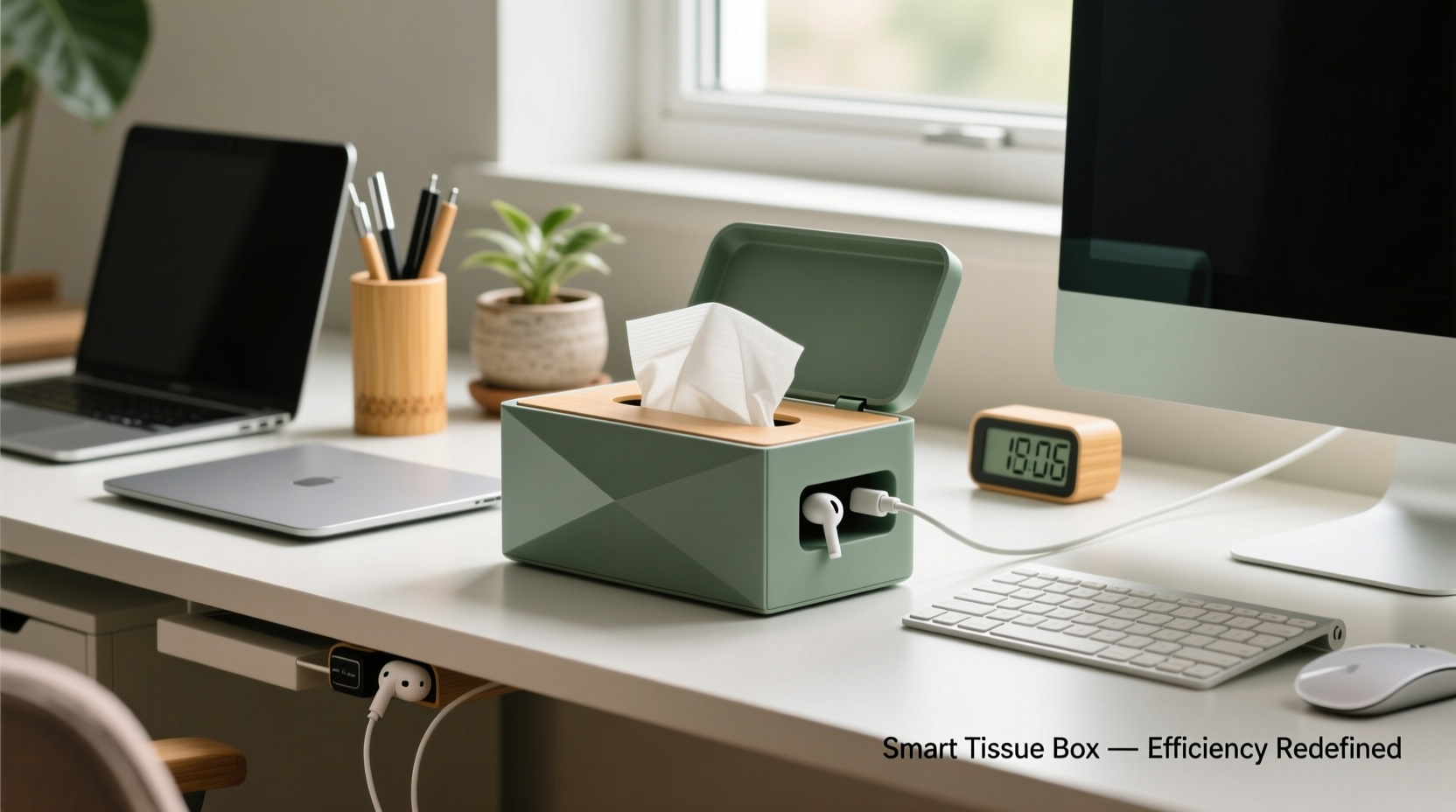
The position of your tissue box matters more than you might assume. Placing it too far away leads to hesitation when needed; placing it directly in your primary work zone creates clutter. The ideal location balances accessibility with minimal visual interference.
Consider positioning the tissue box just outside your dominant hand’s immediate reach—within arm’s length but not overlapping your keyboard or mouse area. This encourages mindful use without disrupting workflow. For right-handed users, the upper-left corner of the desk keeps it accessible yet unobtrusive.
A 2022 study from the Human Factors and Ergonomics Society found that reducing lateral hand movements by even six inches per task could save up to 37 minutes of micro-adjustments over an eight-hour workday. Thoughtful object placement, including tissues, contributes to cumulative efficiency gains.
2. Choose a Design That Complements Your Workspace Aesthetic
Functionality doesn’t have to come at the cost of style. In fact, a well-chosen tissue box cover can elevate your desk from functional to refined. Materials like matte metal, bamboo, ceramic, or minimalist fabric covers blend seamlessly into professional environments.
Neutral tones—charcoal gray, soft white, sage green—tend to reduce visual noise, helping maintain focus. Avoid overly decorative designs unless they align with your personal brand or creative industry context. Consistency in color and texture across desk accessories fosters cognitive calm.
“Visual clutter increases cognitive load. Even small elements like tissue boxes contribute to mental fatigue if they clash with the overall environment.” — Dr. Lena Torres, Environmental Psychologist, University of Michigan
| Design Style | Suitable Tissue Box Type | Recommended Placement |
|---|---|---|
| Minimalist | Matte black metal or frosted acrylic | Back-left corner near monitor base |
| Warm Modern | Bamboo or walnut wood cover | Adjacent to notebook tray |
| Corporate Professional | Brushed silver with logo branding (optional) | Near phone or docking station |
| Creative Studio | Custom-printed fabric sleeve | Centered front edge as accent piece |
3. Integrate Hygiene into Daily Routines
In shared or high-traffic workspaces, maintaining cleanliness is non-negotiable. A desktop tissue box plays a critical role in preventing germ transmission—especially during cold and flu season. But its value extends beyond convenience; it signals a culture of care.
Use your tissue box as part of a micro-hygiene protocol. Pair it with sanitizing wipes, hand lotion, and a small trash bin to form a compact wellness station. This setup encourages employees or household members to wipe down surfaces, blow their nose properly, and dispose of waste immediately—all without leaving their seat.
For managers or team leaders, providing branded tissue covers with company colors or motivational messages reinforces organizational values around health and attention to detail.
4. Repurpose the Tissue Box for Organizational Hacks
Once emptied, don’t discard the tissue box cover immediately. Many durable models double as organizers for small office supplies. With slight modifications, they can store paper clips, USB drives, headphone wraps, or even charging cables.
Here’s a simple step-by-step guide to repurposing:
- Remove any remaining cardboard or plastic liner from inside the cover.
- Clean thoroughly with a damp cloth and let dry.
- Insert small dividers made from folded cardstock or foam board to separate categories.
- Label each section using removable adhesive tags (e.g., “Pens,” “Chargers,” “Sticky Notes”).
- Place back on your desk or shelf as a multi-compartment organizer.
This strategy reduces single-use plastic consumption and supports sustainable workspace practices. According to the EPA, nearly 25% of office waste comes from low-value disposable containers—many of which could be reused with minor adaptation.
5. Real-World Example: How a Startup Improved Focus with Small Changes
At NexaFlow Technologies, a mid-sized SaaS startup based in Portland, leadership noticed increased sick days and scattered desk setups during quarterly reviews. After consulting a workplace ergonomics specialist, they implemented a “Desk Harmony Initiative” focused on micro-improvements.
One key action was standardizing tissue box usage across all workstations. They provided sleek, gray aluminum covers pre-filled with hypoallergenic tissues and placed them uniformly in the upper-left zone of every desk. Employees were encouraged to treat the tissue station as part of their daily reset routine—checking supply levels each morning and reporting low stock via a digital tracker.
Within three months, internal surveys showed a 22% reduction in reported respiratory discomfort and a 17% increase in self-rated focus. One developer noted, “I didn’t realize how often I’d stop mid-task to search for a napkin. Now everything I need is where I expect it.”
Checklist: Maximizing Your Desktop Tissue Box Efficiency
- ✅ Position within easy reach but outside primary typing zone
- ✅ Select a cover that matches your desk’s color palette and material theme
- ✅ Pair with a small lined bin for immediate disposal
- ✅ Stock with soft, layered tissues to minimize noise during use
- ✅ Replace or refill before the box runs out
- ✅ Clean the exterior weekly to prevent dust buildup
- ✅ Repurpose the empty container for cable or supply organization
Frequently Asked Questions
Can a tissue box really affect productivity?
Yes. Research in environmental psychology shows that even minor disruptions—like having to stand up to find a tissue—break concentration and delay task resumption by an average of 23 seconds. Over a day, these interruptions compound into meaningful losses in deep work capacity.
Are there eco-friendly tissue box options?
Many brands now offer recyclable or biodegradable tissue packaging. Additionally, reusable tissue box covers made from bamboo, recycled metal, or organic cotton reduce plastic waste. Look for FSC-certified tissue products and covers labeled “plastic-free” or “compostable.”
Should I keep tissues visible or hidden?
Visibility supports usability. Hiding tissues in a drawer may seem neater, but it discourages regular use when needed. Instead, choose a stylish cover that makes the box a deliberate design feature rather than an afterthought.
Final Thoughts: Small Details, Big Impact
The most effective workspaces aren’t defined by expensive gear alone—they’re shaped by thoughtful details. A desktop tissue box, when chosen and placed intentionally, becomes more than a hygiene tool. It’s a node in a network of efficiency, comfort, and professionalism. From reducing germ spread to supporting seamless workflows, its influence is quietly profound.
Start today by evaluating your current tissue setup. Is it convenient? Does it fit your space aesthetically? Could it serve another purpose once empty? These questions reveal opportunities for refinement that cost little but yield lasting benefits.




 浙公网安备
33010002000092号
浙公网安备
33010002000092号 浙B2-20120091-4
Comments
No comments yet. Why don't you start the discussion?