
A pot of chili should be hearty, balanced, and deeply satisfying—not a mouth-searing ordeal that leaves you gulping water. Yet even experienced cooks occasionally misjudge the heat, adding too much cayenne, overloading on fresh chiles, or underestimating the potency of dried spices. The good news: an overly spicy chili is rarely a lost cause. With the right culinary interventions, you can neutralize excess heat while preserving depth, aroma, and complexity. Understanding how capsaicin—the compound responsible for spiciness—interacts with other ingredients is key to reversing the burn without compromising flavor.
Spice levels in chili vary widely depending on regional traditions, personal preference, and ingredient selection. Tex-Mex versions may feature jalapeños and chipotles; Cincinnati-style might skip peppers entirely in favor of warming spices; Colorado red chili relies on dried New Mexico chiles for moderate heat and rich color. But when heat crosses the threshold from bold to unbearable, immediate action is required. This guide outlines practical, tested strategies to rescue an overheated batch, explains the science behind each method, and offers guidance on prevention for future batches.
Understanding Capsaicin and Heat in Cooking
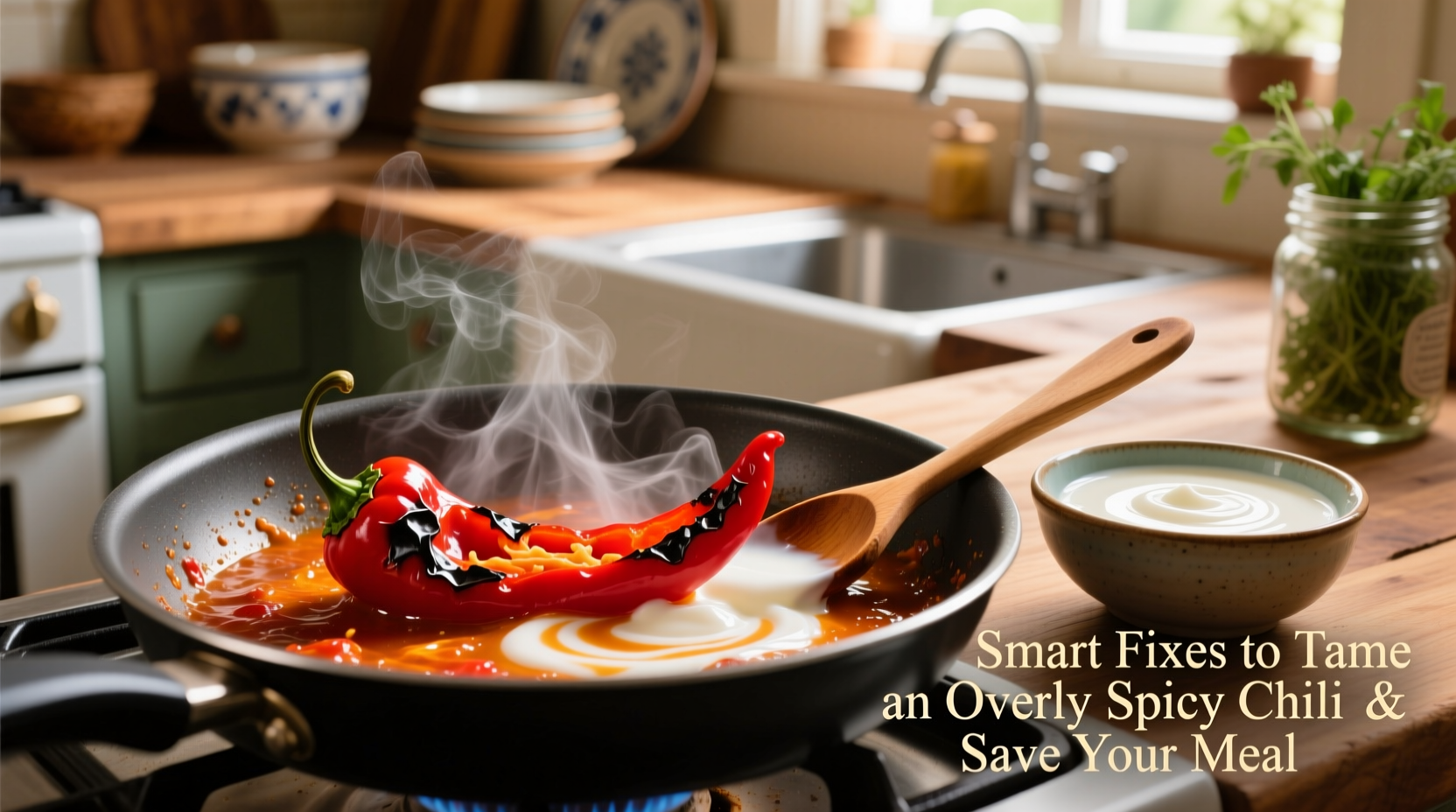
Capsaicin is the primary alkaloid found in chili peppers that stimulates nerve receptors in the mouth, creating the sensation of heat. It is fat-soluble and poorly soluble in water, which is why drinking water does little to alleviate the burn. Instead, capsaicin binds readily to fats, oils, and certain proteins, making dairy, coconut milk, and starchy foods effective agents for taming spice.
When chili becomes too hot, it’s not just about discomfort—it disrupts the dish’s balance. A well-made chili harmonizes heat with sweetness, acidity, umami, and richness. Excessive spice overwhelms these elements, muting subtleties and rendering other flavors indistinct. The goal of any corrective measure is not merely to reduce heat but to restore equilibrium.
Key Characteristics of Spicy Heat in Chili
- Solubility: Capsaicin dissolves in fats and alcohol, not water.
- Heat Stability: Remains potent through prolonged cooking; does not “cook off.”
- Threshold Variability: Perception of heat varies significantly among individuals.
- Delayed Onset: Burn may intensify minutes after consumption due to slow receptor activation.
- Carryover Effect: Heat lingers in the mouth and throat, affecting subsequent bites.
Pro Insight: Never rely solely on taste-testing during cooking. Capsaicin accumulates on the tongue. Always cleanse your palate with milk or bread between tests to avoid desensitization and overcorrection.
Practical Fixes to Reduce Spiciness in Chili
The effectiveness of each remedy depends on the chili’s composition, volume, and type of heat source (fresh chiles, dried powders, sauces). Below are seven scientifically sound and chef-tested methods, ranked by efficacy and ease.
1. Dilute with Unseasoned Base Ingredients
The most straightforward solution is increasing the volume of non-spicy components. This reduces the concentration of capsaicin per serving without altering flavor chemistry.
Add one or more of the following:
- Crushed tomatoes (low-acidity varieties preferred)
- Beef or vegetable broth (unsalted, to control sodium)
- Pre-cooked beans (kidney, pinto, black)
- Finely diced onions or bell peppers (sautéed first to blend seamlessly)
Start with a 1:1 ratio—add an amount equal to the current volume of chili only if necessary. For smaller adjustments, add ½ cup at a time, simmer for 10–15 minutes, then retest. This method preserves the original texture and works especially well in bean-heavy or tomato-based chilies.
2. Incorporate Dairy Products
Dairy is one of the most effective antidotes to capsaicin due to casein, a protein that binds to and washes away capsaicin molecules.
Recommended dairy additions:
- Sour cream or plain yogurt: Stir in ¼ to ½ cup at the end of cooking. Swirl gently to avoid curdling.
- Whole milk or heavy cream: Add ½ cup gradually, heating gently without boiling.
- Cheese: Shredded cheddar, Monterey Jack, or queso fresco melts into the sauce, adding richness and cooling effect.
Dairy not only cools the heat but also adds creaminess, enhancing mouthfeel. Avoid low-fat or non-dairy yogurts unless fortified with casein analogs; they offer minimal relief.
3. Sweeten to Counterbalance Heat
Heat and sweetness operate on opposing sensory pathways. Introducing sugar, honey, or fruit-based elements can trick the palate into perceiving less spice.
Effective sweetening agents:
- Granulated sugar (1 tsp at a time)
- Honey or maple syrup (1 tbsp)
- Unsweetened cocoa powder (1–2 tsp; adds depth without overt sweetness)
- Pureed roasted sweet potatoes or butternut squash (½ cup)
- Apple cider (¼ cup, adds mild sweetness and acidity)
Cocoa powder deserves special mention: used in traditional Texas chili, it enhances earthiness and rounds out sharp edges without making the dish sweet. Start small—over-sweetening creates a new imbalance.
4. Use Starchy Ingredients to Absorb Heat
Starches do not neutralize capsaicin chemically, but they physically absorb some of the oily compounds and dilute their impact by increasing bulk.
Add cooked starches such as:
- White or yellow cornmeal (stir in 2–3 tbsp to thicken and mellow)
- Instant rice or polenta (¼ cup)
- Crushed tortilla chips (adds texture and corn flavor)
- Plain breadcrumbs (use sparingly to avoid gummy texture)
These ingredients also improve consistency, particularly in thin or watery chilies. Tortilla chips, a staple in Frito pie-style chilies, contribute a subtle toasted corn note that complements Southwestern profiles.
5. Introduce Acid to Shift Perception
Acidity doesn’t reduce capsaicin levels but alters how the brain interprets heat. A bright, tangy note can lift the flavor profile and distract from lingering burn.
Recommended acids:
- Fresh lime juice (1–2 tbsp)
- Red wine vinegar (1 tsp increments)
- Tomato paste (1–2 tbsp, concentrated and slightly acidic)
- Pickled jalapeño brine (adds tang and subtle heat modulation)
Lime juice is particularly effective in green chilies or those with Mexican influences. Add acid near the end of cooking to preserve its vibrancy. Taste carefully—too much can make the dish sour.
6. Blend in Fats and Oils
Since capsaicin is fat-soluble, introducing additional lipids helps disperse the compound across a larger surface area, reducing its intensity in any single bite.
Effective fat sources:
- Avocado (diced or mashed, served as garnish or stirred in)
- Olive oil (1–2 tbsp, emulsifies into sauce)
- Coconut milk (especially full-fat; ideal for curry-style chilies)
- Butter (1–2 tbsp, enriches and smooths)
Coconut milk transforms spicy chili into a hybrid stew, lending a tropical nuance. It’s particularly useful in experimental or fusion recipes. Butter adds silkiness and rounds out harsh edges, much like in French sauce correction.
7. Serve with Cooling Accompaniments (No-Cook Fix)
If modifying the chili itself isn't desirable—or if you're serving immediately—pair it with cooling side elements that mitigate heat upon consumption.
Ideal pairings:
- Sour cream or Greek yogurt (classic garnish)
- Shredded cheese (melts slightly, coats the tongue)
- Sliced avocado or guacamole
- Cornbread (slightly sweet, starchy buffer)
- Beer or milk (not wine, which can amplify heat)
This approach allows customization at the table, letting guests adjust their own spice tolerance. It’s ideal for dinner parties or family meals with varied heat preferences.
Emergency Protocol: If your chili is dangerously hot, combine dilution + dairy + starch. Example: stir in ½ cup broth, ¼ cup sour cream, and ⅓ cup cooked beans. Simmer 10 minutes. This triple-action method rescues most disasters.
Variants & Types of Chili and Their Heat Management
Different chili styles respond uniquely to corrective measures. Knowing your base recipe helps determine the best fix.
| Chili Type | Typical Heat Source | Best Neutralizing Method | Notes |
|---|---|---|---|
| Texas Red (Meat-Only) | Dried ancho, cayenne, chili powder | Dilution + cocoa + broth | Avoid dairy to preserve authenticity; use masa or cornmeal for thickening. |
| Tamale-Style | Dried New Mexico or pasilla | Tomato paste + sugar + simmering | Balances earthy heat with sweetness; often already contains cocoa. |
| White Chicken Chili | Fresh jalapeños, green chiles, serranos | Dairy + lime + avocado | High dairy tolerance; acidity brightens without clashing. |
| Vegetarian Bean Chili | Chipotle in adobo, smoked paprika | Bean dilution + coconut milk | Plant-based; coconut milk enhances smokiness while cooling. |
| Cincinnati-Style | Mustard, cinnamon, cloves (minimal chiles) | Rarely too spicy; correct with vinegar if needed | Focus on aromatic balance rather than heat reduction. |
Comparison with Similar Heat-Related Dishes
Chili shares characteristics with other spicy stews, but differs in structure and correction methods.
| Dish | Heat Profile | Best Cooling Agent | Why It Differs from Chili |
|---|---|---|---|
| Goulash (Hungarian) | Paprika-based, moderate heat | Sour cream (smetana) | Thinner, soupier; paprika less intense than capsaicin-rich chiles. |
| Curry (Indian/Thai) | Complex spice blends, variable heat | Yogurt, coconut milk, rice | Rice serves as built-in diluent; dairy integration is standard. |
| Bouillabaisse | Rouille-induced heat (garlic-chili spread) | Croutons, fish stock dilution | Heat is garnish-based, not intrinsic to broth. |
| Sichuan Hot Pot | Numbing-heat from Sichuan pepper + chiles | Sesame oil, tofu, noodles | Combines ma (numb) and la (spicy); requires fat + starch combo. |
“In professional kitchens, we treat excessive heat like oversalting—dilution is the first rule. But unlike salt, capsaicin can be masked, absorbed, and counterbalanced. The art lies in choosing which tool restores harmony without erasing character.” — Chef Elena Ruiz, Culinary Instructor, Austin School of Regional Cuisine
Practical Tips & FAQs
Can I remove chiles after cooking?
No. Once cooked, capsaicin has leached into the liquid and surrounding ingredients. Removing whole peppers post-cooking has negligible effect. Straining the entire chili through a fine mesh sieve and pressing solids may reduce some oil-bound heat, but this alters texture and removes body.
Does sugar make chili taste sweet?
Not if used correctly. Small amounts (1–2 tsp per quart) don’t register as sweetness but instead round out sharpness, much like in tomato sauce. Cocoa and roasted vegetables provide natural sugars without perceptible sweetness.
Will cooling the chili help?
No. Temperature does not affect capsaicin potency. Cold chili may feel less intense momentarily, but the chemical burn returns as it warms in the mouth.
How can I prevent over-spicing in the future?
- Taste as you go: Add spices incrementally, waiting 5–7 minutes between additions for heat to develop.
- Know your chiles: A habanero is 100x hotter than a poblano. Use gloves when handling super-hots.
- Dry toast spices: Enhances flavor but not heat; avoids raw bitterness.
- Use a scale: Measure ground chiles by weight, not volume, for consistency.
- Keep a log: Note quantities and outcomes for repeatable results.
Is there a way to test heat objectively?
While home cooks lack access to Scoville testing, a reliable method is the “milk test”: mix 1 tsp chili with 2 tbsp cold whole milk. If the milk tastes spicy, the chili is likely too hot for most palates. This leverages casein’s binding ability as a proxy sensor.
Can I freeze over-spicy chili to reduce heat?
No. Freezing preserves capsaicin levels. However, freezing after correction (e.g., post-dilution) locks in the improved balance. Thaw and reheat gently to maintain texture.
What if none of the fixes work?
Repurpose creatively. Use over-spicy chili as a seasoning base: thin it into a soup, stir into scrambled eggs, layer in casseroles, or spoon over baked potatoes. One tablespoon can add boldness to a large dish without overwhelming it.
Pro Tip: Keep a “rescue kit” in your pantry: canned beans, crushed tomatoes, sour cream, cornmeal, and cocoa powder. These allow rapid response to common cooking mishaps, including heat overload.
Summary & Key Takeaways
An overly spicy chili is a common kitchen challenge, but rarely irreversible. Success depends on understanding capsaicin’s properties and applying targeted corrections. The most effective strategies involve dilution, fat integration, dairy addition, and sensory balancing through sweetness or acidity.
Key points to remember:
- Capsaicin is fat-soluble and persistent—water won’t help.
- Dilution is the safest, most predictable fix.
- Dairy, particularly casein-rich products, actively neutralizes heat.
- Sugar and cocoa can mask perceived spiciness without sweetness.
- Starches and fats absorb and disperse capsaicin.
- Acid shifts flavor perception and lifts heavy notes.
- Pairing with cooling sides allows table-level control.
- Prevention through incremental seasoning and logging is the best long-term strategy.
Rescuing a fiery chili isn’t just about damage control—it’s an exercise in flavor balancing, a core skill in advanced cooking. Each adjustment teaches nuance: how ingredients interact, how heat evolves, and how balance defines excellence. Next time your chili flares beyond comfort, stay calm. With these tools, you’re not just saving a meal—you’re refining your craft.




 浙公网安备
33010002000092号
浙公网安备
33010002000092号 浙B2-20120091-4
Comments
No comments yet. Why don't you start the discussion?