
In the age of connected homes, the refrigerator has evolved from a simple cooling appliance into a high-tech hub with Wi-Fi, cameras, touchscreens, and voice assistants. But for all their bells and whistles, do smart fridges deliver real value—or are they just expensive gadgets masquerading as kitchen essentials? With prices often double that of conventional models, it’s worth asking: are smart fridge features actually useful in everyday life?
This article examines the practicality of smart refrigeration by comparing functionality, cost, usability, and long-term benefits against traditional refrigerators. Whether you're renovating your kitchen or simply replacing an aging unit, understanding what these features offer—and whether they justify the premium—can help you make a smarter decision.
What Defines a Smart Fridge?
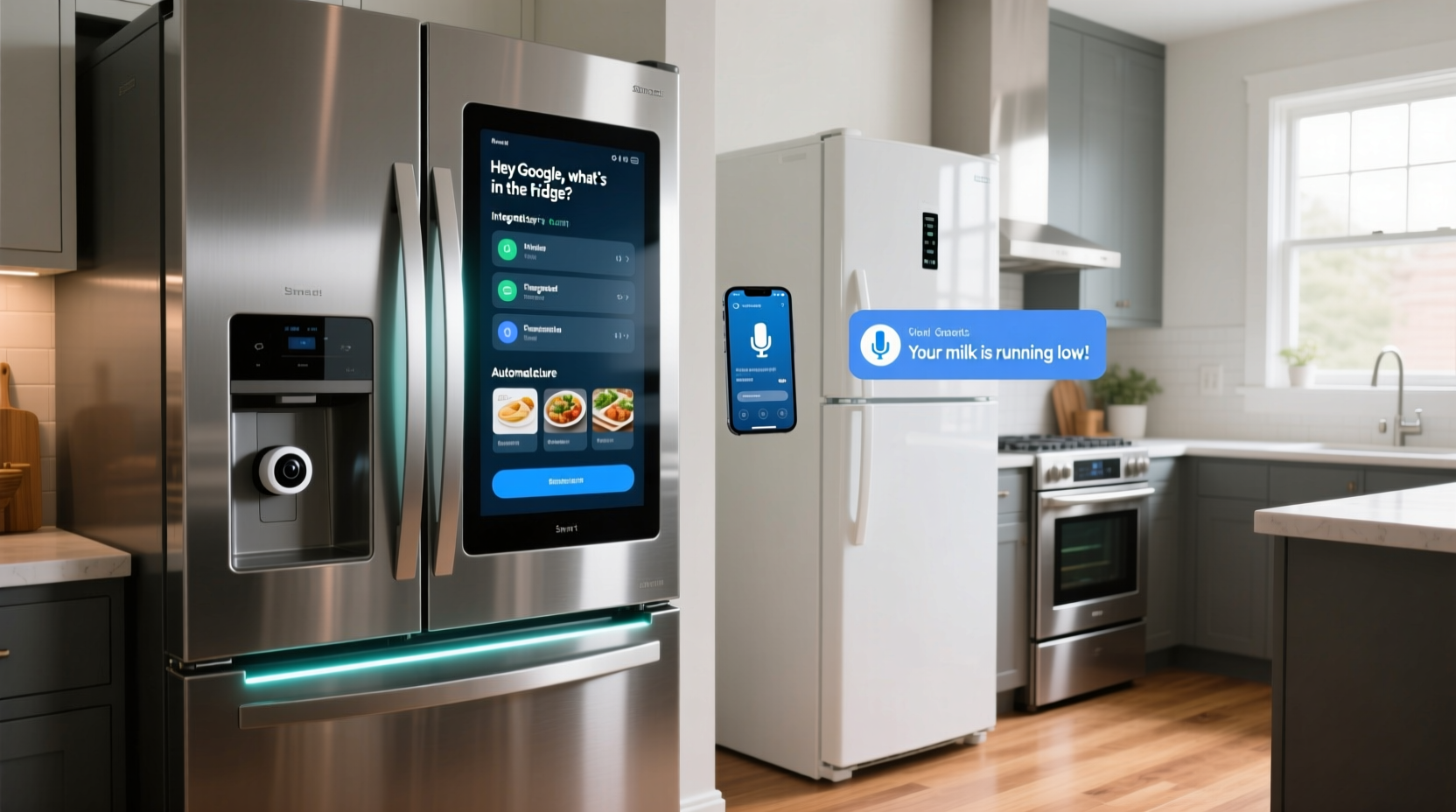
A smart fridge goes beyond temperature control and ice dispensers. It integrates internet connectivity, sensors, and software to enable remote monitoring, automation, and data-driven insights. Common features include:
- Internal cameras that let you see contents via smartphone
- Voice assistant integration (e.g., Alexa, Google Assistant)
- Touchscreen displays for recipes, calendars, or music
- Inventory tracking and expiration alerts
- Energy usage reports and diagnostics
- Integration with other smart home devices
Manufacturers like Samsung, LG, and GE promote these capabilities as tools for better organization, reduced food waste, and enhanced convenience. But while the technology is impressive on paper, real-world performance varies significantly based on user habits, household size, and tech literacy.
Functional Comparison: Smart vs Regular Fridges
To assess true utility, it helps to compare core functions side-by-side. The table below outlines key differences between typical smart and regular refrigerators.
| Feature | Smart Fridge | Regular Fridge |
|---|---|---|
| Price Range | $2,500 – $5,000+ | $800 – $2,000 |
| Wi-Fi & App Control | Yes – remote access, alerts | No |
| Internal Cameras | Yes – view contents remotely | No |
| Voice Assistant Support | Yes – hands-free commands | No |
| Touchscreen Interface | Yes – apps, web browsing | No |
| Food Inventory Tracking | Limited – manual input or barcode scanning | N/A |
| Energy Efficiency | Mixed – extra electronics increase draw | Generally high (ENERGY STAR models) |
| Repair & Maintenance | More complex, higher service costs | Simpler, widely serviced |
| Lifespan | 8–12 years (electronics may fail earlier) | 12–17 years |
The data shows a clear trade-off: increased functionality at the cost of price, complexity, and longevity. While smart features sound appealing, many fall short in reliability. For instance, inventory tracking rarely works autonomously—most systems require manual entry, defeating the purpose of automation.
Real-World Usefulness of Smart Features
Let’s examine the most promoted features and how they perform outside marketing materials.
Remote Viewing via Internal Cameras
One of the flagship features is the ability to check fridge contents from your phone while grocery shopping. In theory, this prevents duplicate purchases and reduces waste. However, real-world limitations include:
- Narrow camera angles missing items behind others
- Poor lighting inside the fridge affecting visibility
- Delayed image updates (not live streaming)
- Manual repositioning needed after restocking
A 2023 Consumer Reports survey found that only 34% of smart fridge owners used the camera feature more than twice a month. Most reverted to texting a family member or calling instead.
Voice Assistants and Touchscreens
Having Alexa or Google built into your fridge sounds futuristic. You can ask for weather updates, set timers, or add items to a shopping list. But in practice, kitchens are noisy environments—voice recognition often fails amid running appliances or conversation.
Touchscreens also raise hygiene concerns. Unlike phones, fridge screens aren’t cleaned daily and become germ hotspots. Additionally, touchscreen interfaces tend to lag or freeze over time, especially after software updates.
“Smart fridges add novelty, but most features don’t solve real problems. People don’t forget milk because they can’t see it—they forget because habits override memory.” — Dr. Lena Patel, Behavioral Scientist at MIT Home Tech Lab
Expiration Alerts and Food Management
Some models promise to track expiration dates using barcode scanning or manual logs. While conceptually useful, adoption is low. Users must input every item manually—a process many abandon within weeks. Even advanced systems struggle to identify homemade meals or unpackaged produce.
In contrast, regular fridges paired with habit-based organization (e.g., front-and-center placement of perishables) often achieve similar results without digital intervention.
Who Actually Benefits from a Smart Fridge?
Not all households gain equal value. Certain profiles see meaningful returns on investment:
- Large families coordinating multiple meals and groceries may benefit from shared shopping lists and calendar sync.
- Tech-savvy users deeply embedded in smart home ecosystems can integrate fridge alerts with lights, thermostats, or security systems.
- People with mobility challenges may appreciate voice commands and remote diagnostics.
- Frequent travelers could use temperature alerts if power fails while away.
For everyone else—especially singles, couples, or budget-conscious buyers—the added cost rarely pays off in daily utility.
Mini Case Study: The Thompson Family Upgrade
The Thompsons, a family of five in Austin, Texas, replaced their 12-year-old fridge with a $3,800 smart model featuring dual cameras, a 27-inch screen, and Family Hub integration. Initially excited, they used the calendar and recipe apps heavily for the first two months.
Over time, however, usage declined. The kids stopped using the screen for homework due to distractions. The wife found the camera too dim to reliably check yogurt stocks. The husband appreciated receiving alerts when the door was left open but noted he’d have noticed anyway from the light.
After six months, only three features remained in regular use: door-open alerts, quick voice notes, and the external water/ice dispenser—available even on mid-tier non-smart models. They concluded that while the fridge worked well, less than 20% of its smart capabilities delivered consistent value.
Cost-Benefit Analysis Over Time
It’s not enough to consider upfront price. Long-term ownership costs matter just as much.
Initial Purchase Price
Smart fridges typically start at $2,500, compared to $900–$1,500 for similarly sized conventional units with equivalent cooling performance. That’s a $1,000+ premium for digital extras.
Maintenance and Repair
Electronics fail. When a smart fridge’s display dies or Wi-Fi module malfunctions, repairs cost more than on standard models. Technicians need specialized training, and parts are proprietary. According to the Appliance Repair Association, smart fridge service calls cost 40% more on average than traditional repairs.
Obsolescence Risk
Like smartphones, smart fridges face software obsolescence. Manufacturers typically provide firmware updates for 5–7 years. After that, security vulnerabilities may go unpatched, and app integrations can stop working. A 2022 study by Wirecutter found that 60% of smart fridges older than six years had degraded app functionality or lost cloud connectivity.
Checklist: Is a Smart Fridge Right for You?
Before committing, evaluate your needs with this practical checklist. Answer “yes” to at least four to justify the upgrade:
- Do you already use a smart home ecosystem (Google Home, Apple HomeKit, etc.)?
- Does someone in your household frequently forget what’s in the fridge?
- Are you willing to manually log food items regularly?
- Do you want remote alerts for door-open or temperature issues?
- Will multiple people use shared calendars or shopping lists on the fridge?
- Can your internet connection support stable device syncing?
- Are you comfortable with potential privacy risks (data collection, microphones)?
If fewer than four apply, a high-efficiency regular fridge with good organization systems may serve you better.
FAQ
Can a smart fridge really reduce food waste?
Only marginally—and only if you consistently use its tracking features. Studies show average food waste reduction is about 8–12%, primarily from reminder alerts. However, behavioral changes (like meal planning) yield greater impact without needing a smart appliance.
Are smart fridges secure?
Security varies by brand. Some models have had vulnerabilities allowing hackers to access cameras or network credentials. Always enable two-factor authentication, keep firmware updated, and isolate the fridge on a guest Wi-Fi network if possible.
Do I need Wi-Fi for basic fridge functions?
No. Cooling, ice making, and lighting work independently of internet connectivity. If Wi-Fi drops, the fridge continues operating normally—though smart features will be unavailable.
Final Verdict: Practicality Over Hype
Smart fridges are not inherently bad appliances. Many cool efficiently, look sleek, and offer niche conveniences. But for most consumers, the smart features don’t translate into meaningful improvements in daily life. The technology remains immature—too reliant on manual input, prone to glitches, and burdened by high ownership costs.
Meanwhile, regular fridges have never been better. Modern compressors are quieter and more energy-efficient than ever. Designs include humidity-controlled crispers, flexible shelving, and improved insulation—all without requiring an app.
The bottom line: if you value simplicity, durability, and cost-effectiveness, a regular fridge is likely your best choice. If you’re passionate about home automation and can fully integrate the fridge into your digital lifestyle, a smart model might be worth the investment—but go in with realistic expectations.
“The future of smart kitchens isn’t more screens—it’s invisible intelligence that anticipates needs without demanding attention.” — Mark Rivera, Senior Editor at HomeTech Review
Conclusion
Choosing between a smart and regular fridge shouldn’t be about technological allure—it should be about solving real problems. For the majority of households, the answer lies in proven reliability, not experimental features. A well-organized, energy-efficient conventional fridge, paired with mindful shopping and storage habits, delivers better long-term value than a flashy but underused smart alternative.
Before upgrading, ask yourself: am I buying a tool I’ll use every day, or a gadget I’ll use for a few weeks? Let function guide your decision—not features.




 浙公网安备
33010002000092号
浙公网安备
33010002000092号 浙B2-20120091-4
Comments
No comments yet. Why don't you start the discussion?