
In today’s connected homes, refrigerators have evolved from simple cooling units into high-tech hubs with touchscreens, Wi-Fi connectivity, voice assistants, and even AI-powered food tracking. These “smart fridges” promise convenience, efficiency, and modern living—but they come at a steep premium. Meanwhile, traditional refrigerators continue to deliver reliable performance at a fraction of the cost. So, is upgrading to a smart fridge truly worth the investment? Or are we paying more for gadgets that add little real value?
This article dives deep into the practical differences between smart and regular fridges, evaluating not just their features but also their long-term utility, energy efficiency, repairability, and overall return on investment.
Understanding the Core Differences
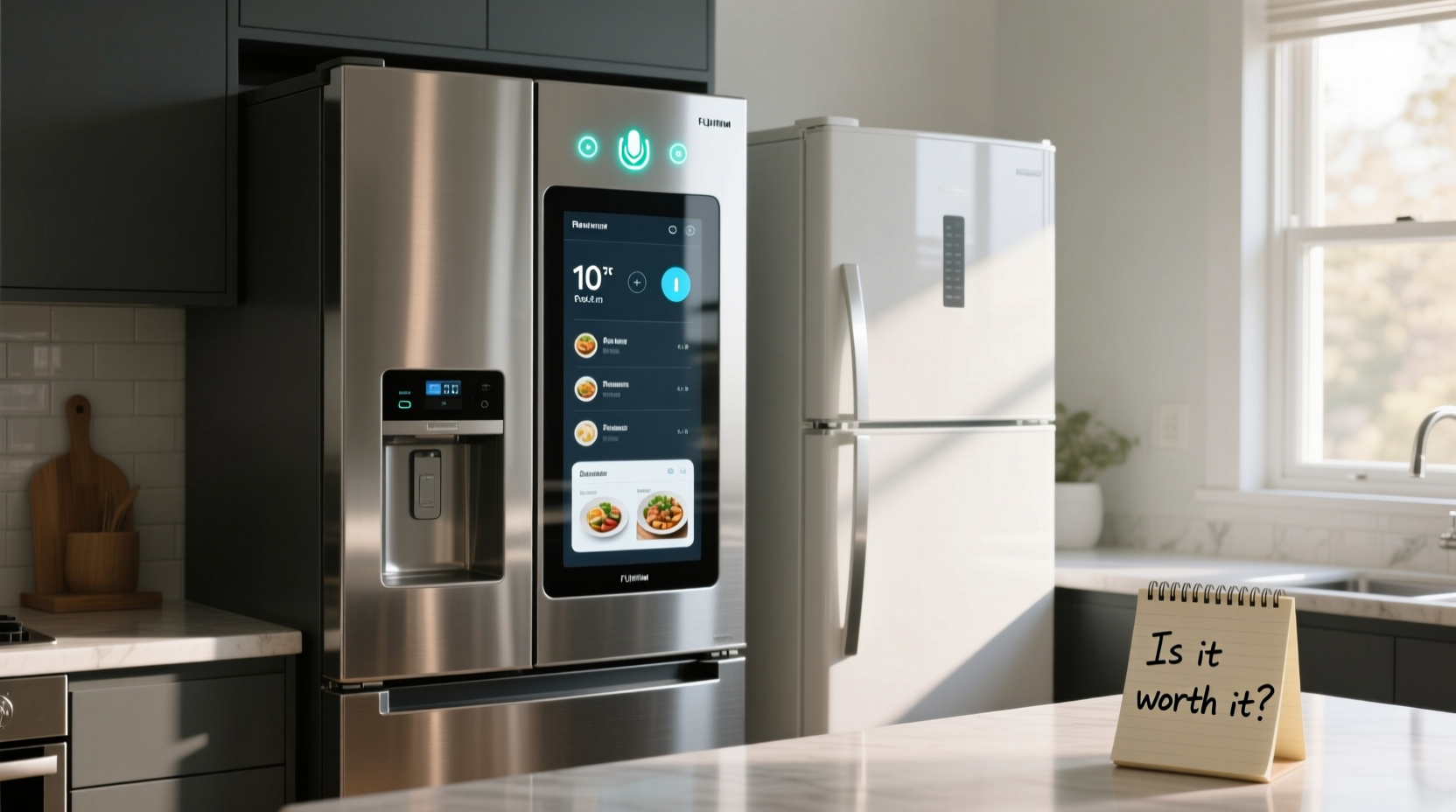
The fundamental purpose of any refrigerator remains unchanged: preserve food by maintaining low temperatures. However, how each type achieves this—and what additional capabilities it offers—defines the divide between smart and regular models.
Regular refrigerators focus on core functionality: consistent cooling, temperature control, basic shelving, and energy efficiency. They’re built with mechanical or digital thermostats, standard insulation, and durable components designed to last 10–15 years with minimal maintenance.
Smart fridges, on the other hand, integrate internet connectivity (Wi-Fi), advanced sensors, cameras inside compartments, mobile app integration, voice assistant compatibility (like Alexa or Google Assistant), and sometimes even built-in displays for streaming or grocery lists. Some models can detect when milk is running low and suggest reorder options via an app.
While these features sound futuristic, their actual impact on daily life varies significantly depending on user habits, household size, and technological comfort level.
Feature Comparison: What You Gain (and Lose)
To evaluate whether the price hike is justified, let’s break down key features side by side.
| Feature | Smart Fridge | Regular Fridge |
|---|---|---|
| Price Range | $2,500 – $6,000+ | $700 – $2,000 |
| Connectivity | Wi-Fi, Bluetooth, App Control | None |
| Internal Cameras | Yes (some models) | No |
| Voice Assistant Support | Google Assistant, Alexa | No |
| Energy Efficiency (Avg.) | Moderate to High (varies widely) | Generally High (especially newer Energy Star models) |
| Repair & Maintenance | Complex; higher labor and part costs | Straightforward; widely available technicians |
| Lifespan | 8–12 years (electronics may fail earlier) | 12–18 years (mechanical reliability) |
| User Interface | Touchscreen, apps, notifications | Dials or digital panel |
| Food Management Tools | Expiration alerts, inventory tracking | Manual tracking only |
At first glance, smart fridges offer compelling advantages—especially in automation and monitoring. But deeper scrutiny reveals trade-offs. For instance, internal cameras often suffer from poor resolution or limited angles, making them unreliable for checking leftovers remotely. Similarly, app-based controls can lag or disconnect, especially if your home network is unstable.
“Consumers often overestimate how much they’ll interact with smart appliance features. After six months, most revert to using the fridge like a traditional model.” — Dr. Lena Patel, Consumer Technology Research Institute
Real-World Use Case: The Johnson Family Experiment
The Johnsons, a family of four in suburban Chicago, replaced their decade-old refrigerator with a top-tier smart fridge featuring dual screens, internal cameras, and voice-enabled grocery ordering. Their goal was to reduce food waste and streamline meal planning.
For the first month, they enthusiastically used the app to check contents while grocery shopping. The kids loved drawing on the touchscreen. The husband set up expiration alerts. But by week eight, usage dropped sharply. The camera images were blurry, the app crashed frequently, and the alerts became background noise. Within five months, they were managing groceries the old-fashioned way—by opening the door and looking inside.
They did appreciate one feature: remote temperature adjustment during vacations. However, this single benefit didn’t justify the $3,200 price difference compared to a similarly sized conventional Energy Star model.
Their experience mirrors broader consumer trends. According to a 2023 survey by HomeTech Insights, **68% of smart fridge owners stopped using advanced features within nine months**, citing complexity, unreliability, or lack of necessity.
Cost-Benefit Analysis Over Time
Let’s assess the long-term financial implications of choosing a smart fridge over a regular one.
A mid-range smart fridge costs about $4,000, whereas a comparable regular fridge with similar capacity and Energy Star certification averages $1,500—a $2,500 difference. Over a 10-year ownership period, several factors influence whether that gap closes:
- Energy Costs: Smart fridges consume more power due to displays, processors, and constant connectivity. While some models claim efficiency, independent tests show they use 10–20% more electricity annually than equivalent non-smart units.
- Maintenance & Repairs: Electronic components increase failure risk. Replacing a malfunctioning display or motherboard can cost $600–$1,200—often exceeding the value of older units. In contrast, compressor issues in regular fridges are typically cheaper to fix.
- Resale Value: Unlike smartphones or laptops, smart appliances don’t retain value well. Most buyers prioritize function over tech specs when purchasing used appliances.
- Potential Savings: Proponents argue smart fridges reduce food waste through better tracking. A University of Arizona study estimates households waste 30–40% of food. If a smart fridge reduces that by even 15%, the savings could reach $400/year. However, such results depend heavily on user engagement—something most fail to sustain.
In realistic scenarios, the break-even point for smart fridge ROI rarely occurs within typical ownership periods. Unless you're highly tech-dependent and consistently use all features, the financial advantage leans strongly toward regular models.
When a Smart Fridge Makes Sense
Despite the drawbacks, certain users benefit meaningfully from smart technology:
- Tech-Savvy Households: Families already embedded in smart home ecosystems (e.g., Apple HomeKit, Google Home) may find seamless integration valuable.
- Large or Busy Households: Homes with multiple people coming and going can benefit from shared grocery lists and inventory visibility.
- Accessibility Needs: Voice commands and large touch interfaces assist users with mobility or vision challenges.
- Remote Monitoring for Vacation Homes: Being able to check fridge status or adjust temps remotely adds peace of mind.
If you fall into one of these categories, investing in a smart fridge might enhance daily life. But for average users, the added complexity often outweighs the convenience.
Step-by-Step: How to Decide Which Fridge Suits You
Follow this decision-making process to determine the right choice for your needs:
- Assess Your Daily Habits: Do you plan meals weekly? Check fridge contents while shopping? Track expiration dates manually?
- Evaluate Tech Comfort Level: Are you comfortable troubleshooting apps, updating firmware, and managing device logins?
- Budget for Total Cost of Ownership: Include purchase price, estimated energy use, potential repairs, and expected lifespan.
- Compare Specific Models: Look beyond branding. Compare cooling performance, noise levels, storage layout, and warranty terms—not just smart features.
- Read Long-Term User Reviews: Focus on feedback after 1+ year of ownership. Look for recurring complaints about software bugs or hardware failures.
- Consider Future-Proofing: Will the manufacturer support the device with updates for at least 5 years? Many brands discontinue app support prematurely.
- Make a Final Decision: Choose based on proven utility, not novelty.
Frequently Asked Questions
Can I add smart features to a regular fridge?
Yes, to some extent. Third-party devices like smart shelves (e.g., Smarter Fridge Cam) or adhesive temperature sensors can provide basic monitoring. However, they lack full integration and reliability compared to built-in systems.
Do smart fridges really help reduce food waste?
Only if actively used. Features like expiration tracking require manual input or clear camera views. Without consistent user involvement, they provide minimal benefit. Studies show behavioral change—not technology—is the key factor in reducing waste.
Are smart fridges secure?
Security varies by brand. Some models have had vulnerabilities allowing hackers to access cameras or network data. Always choose models with regular security updates, strong password policies, and the ability to disable unused features like remote access.
Checklist: Choosing Between Smart and Regular Fridges
- ☐ Define your primary reason for upgrading
- ☐ Set a realistic budget including installation and future repairs
- ☐ Research at least three models in each category
- ☐ Read reviews focused on long-term reliability
- ☐ Verify warranty coverage and service availability
- ☐ Determine if smart features align with your lifestyle
- ☐ Consider resale value and upgrade frequency
Conclusion: Value Beyond the Hype
The allure of smart technology is undeniable. Refrigerators with screens, apps, and AI promises feel like glimpses into the future. But for most households, the incremental benefits don’t justify the significant price jump or added complexity.
Regular fridges continue to improve—offering superior insulation, quieter compressors, precise humidity control, and excellent energy ratings—all without the digital overhead. They remain the sensible choice for those prioritizing durability, simplicity, and value.
Smart fridges aren’t inherently flawed. For specific users—those deeply invested in smart homes or with particular accessibility needs—they can be genuinely useful. But for everyone else, the tech integration often amounts to expensive bells and whistles that fade into irrelevance.




 浙公网安备
33010002000092号
浙公网安备
33010002000092号 浙B2-20120091-4
Comments
No comments yet. Why don't you start the discussion?