
In today’s fast-paced world, anything that reduces time spent on routine tasks is worth considering. Grocery shopping, meal planning, and food waste are consistent pain points for households. Enter the smart refrigerator—a high-tech appliance promising to streamline your kitchen life with Wi-Fi connectivity, internal cameras, voice assistants, and inventory tracking. But how much of that promise holds up in practice?
Meanwhile, a regular refrigerator paired with affordable, intelligent add-ons offers a compelling alternative. For many, it delivers similar convenience at a fraction of the cost. The real question isn’t just about features—it’s about effectiveness. Which option genuinely simplifies grocery runs?
This article cuts through marketing hype to deliver an honest, evidence-based comparison. We’ll explore actual usability, long-term value, integration with daily habits, and whether smart fridges live up to their reputation—or if a well-upgraded conventional fridge does the job better.
The Reality of Smart Fridges Today
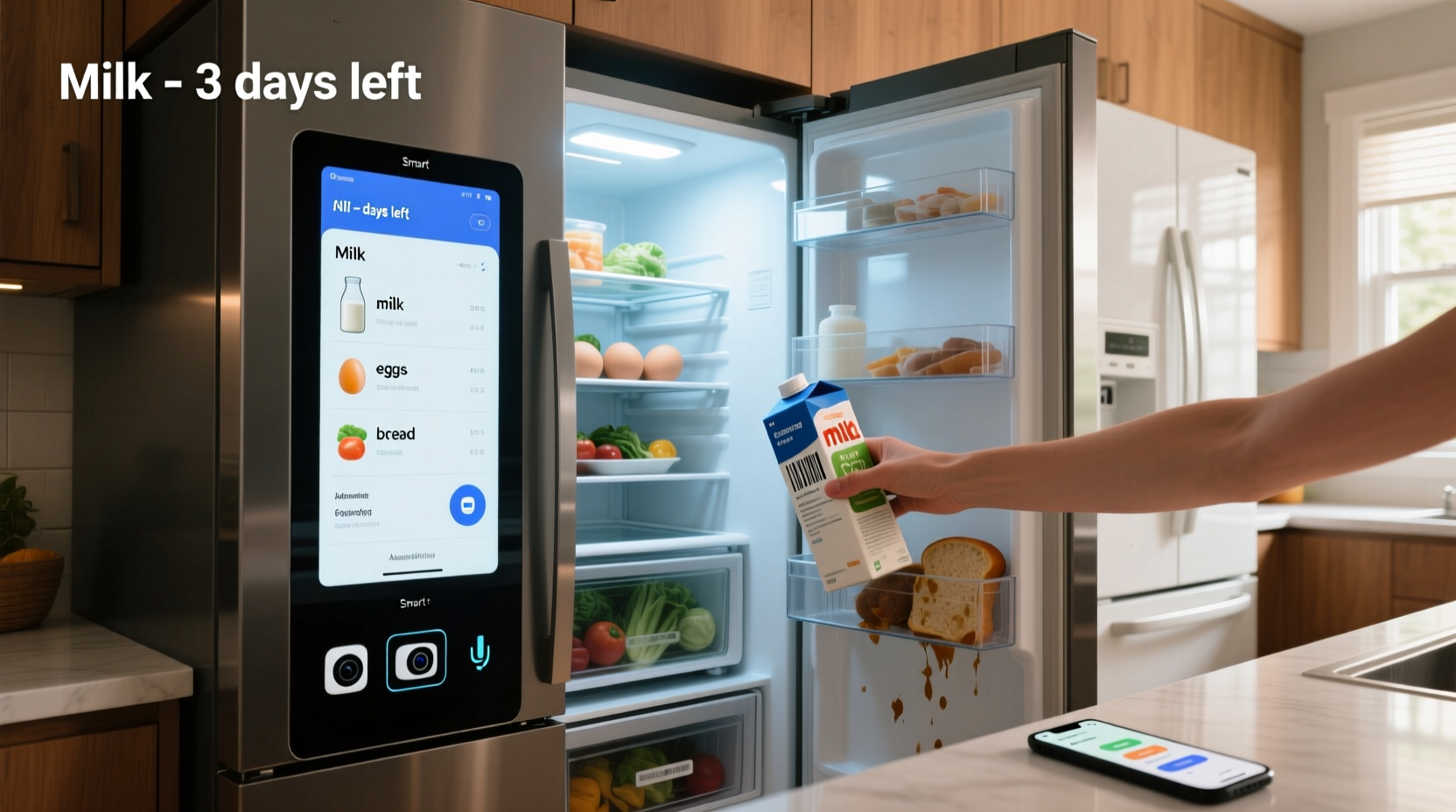
Smart refrigerators have been on the market for nearly a decade, yet adoption remains relatively low. According to a 2023 report by the Consumer Technology Association, only 12% of U.S. households own a smart fridge. Why? High price tags, inconsistent software performance, and limited real-world utility top the list.
These appliances typically offer:
- Internal cameras to view contents remotely
- Voice assistant integration (e.g., Alexa or Google Assistant)
- Touchscreen interfaces for calendars, notes, or music
- Inventory tracking via barcode scanning or AI recognition
- Expiration date alerts and recipe suggestions
On paper, this sounds revolutionary. In reality, many users report glitches—cameras misaligning, apps crashing, or facial recognition failing to distinguish between family members. A 2022 survey by *Consumer Reports* found that over 40% of smart fridge owners stopped using the “smart” features within six months.
“Most smart fridges are solutions in search of a problem. The core function—keeping food cold—is excellent. But the digital layer often adds complexity, not convenience.” — Dr. Lena Patel, Home Appliance Researcher, MIT Sustainable Living Lab
Can Add-Ons Turn a Regular Fridge Into a Smart One?
A growing number of third-party tools and mobile apps can replicate—sometimes even improve upon—the functionality of smart fridges. When thoughtfully combined, these add-ons create a tailored, low-cost system that integrates seamlessly into existing routines.
Consider this setup:
- Smart scales placed under produce bins track weight changes and estimate spoilage.
- Bluetooth-enabled shelf sensors detect when items are removed or added.
- Inventory apps like Out of Milk or Bring! allow manual or barcode-based input.
- Voice note integration with Alexa or Google Keep lets users shout reminders while cooking.
- Wi-Fi pantry labels sync with shopping lists when items run low.
Unlike built-in systems, these tools are modular. You adopt only what you need, upgrade independently, and avoid being locked into a single brand’s ecosystem.
Comparative Analysis: Smart Fridge vs Upgraded Regular Fridge
To evaluate which approach truly simplifies grocery runs, we assessed five key factors: cost, reliability, ease of use, adaptability, and long-term maintenance.
| Feature | Smart Fridge | Regular Fridge + Add-Ons |
|---|---|---|
| Upfront Cost | $2,500–$5,000+ | $800–$1,500 (fridge) + $100–$300 (add-ons) |
| Learning Curve | Moderate to high (complex interface) | Low (uses familiar apps and devices) |
| Reliability | Dependent on proprietary software; updates may discontinue | High (uses standard apps and replaceable hardware) |
| Customization | Low (locked into manufacturer's features) | High (mix and match tools based on needs) |
| Lifespan & Repair | Expensive repairs; electronic components fail earlier | Easier and cheaper repairs; modular upgrades possible |
| Grocery Run Impact | Reduces guesswork but requires consistent interaction | Streamlines planning with flexible, user-driven input |
The data suggests that while smart fridges offer automation, they lack flexibility and come with significant financial and technical risk. In contrast, upgrading a regular fridge allows incremental improvement without overhauling your entire kitchen.
A Real-World Example: The Miller Family’s Kitchen Upgrade
The Millers, a family of four in Portland, faced constant food waste and last-minute grocery trips. They considered a $3,800 Samsung Family Hub fridge but hesitated due to mixed online reviews.
Instead, they invested $1,200 in a reliable Whirlpool French-door refrigerator and spent $180 on targeted upgrades:
- Bought two smart bin scales ($60) that sync with their phones.
- Used Out of Milk app to log perishables manually (5 minutes per week).
- Mounted a dry-erase whiteboard on the fridge door for shared notes.
- Set up Google Assistant voice commands (“Add milk to shopping list”).
Within three weeks, they reduced unplanned grocery trips by 70%. Food waste dropped by half. Most importantly, every family member could participate—no tech expertise required.
“We thought we needed a flashy screen on the fridge,” said Sarah Miller. “Turns out, a good app and a simple routine did more than any camera ever could.”
Step-by-Step: Building Your Own Grocery-Simplifying System
You don’t need a smart fridge to simplify grocery runs. Follow this timeline to build a personalized, effective system in under a month.
- Week 1: Audit Your Current Habits
Track every grocery trip, noting what was forgotten or wasted. Identify patterns—do you forget eggs? Overbuy lettuce? - Week 2: Choose Your Core Tools
Select one inventory app (e.g., Out of Milk, AnyList, or Google Keep). Pair it with a voice assistant if preferred. Avoid overloading—start with one tool. - Week 3: Implement Physical Aids
Add clear bins to fridge shelves for categories (dairy, produce, leftovers). Label them. Use sticky notes or magnetic boards for quick updates. - Week 4: Establish a Weekly Routine
Every Sunday, review the fridge, update the app, and generate a shopping list. Involve household members to ensure consistency. - Ongoing: Refine Based on Results
After a month, assess: Are trips shorter? Less food wasted? Adjust tools as needed—maybe add a smart scale or switch apps.
Checklist: What You Need to Simplify Grocery Runs
Whether you go fully analog or embrace some tech, this checklist ensures you cover all bases:
- ✅ Reliable refrigerator with clear visibility
- ✅ Designated storage zones (produce, dairy, meats, leftovers)
- ✅ Inventory management method (app, notebook, or whiteboard)
- ✅ Voice assistant integration (optional but helpful)
- ✅ Weekly review ritual (10 minutes max)
- ✅ Shopping list accessible to all household members
- ✅ Expiration tracker (manual or app-based)
- ✅ Backup plan for forgotten items (e.g., delivery subscription)
Frequently Asked Questions
Do smart fridges really reduce food waste?
They can, but only if used consistently. Studies show that automated alerts are ignored after a few weeks unless integrated into daily habits. Manual tracking with apps often yields better long-term results because it builds awareness.
Can I get camera-like functionality without a smart fridge?
Yes. Some users mount a small Wi-Fi security camera inside the fridge (powered externally) and access it via phone. Others use apps with photo logging—snap a picture of the interior weekly to remember contents. While less automated, these methods are far cheaper and more reliable.
Are smart fridge repairs expensive?
Yes. Because they combine major appliance engineering with electronics, repairs often cost 30–50% more than standard models. Many technicians aren’t trained on proprietary screens or software. Some manufacturers discontinue support within five years, leaving owners with outdated systems.
Final Verdict: Simplicity Wins
Technology should serve people—not complicate their lives. While smart fridges represent innovation, they often fall short in delivering lasting, practical value. Their high cost, rigid design, and dependency on flawless software make them a risky investment for most households.
In contrast, upgrading a regular refrigerator with smart habits and selective tools offers a more sustainable path. It respects budget constraints, accommodates varying tech comfort levels, and adapts as needs change. The result? Fewer trips, less waste, and more confidence during grocery runs.
The future of kitchen efficiency isn’t a touchscreen on the fridge door. It’s thoughtful integration—knowing what you have, planning ahead, and using tools that fit your life, not the other way around.




 浙公网安备
33010002000092号
浙公网安备
33010002000092号 浙B2-20120091-4
Comments
No comments yet. Why don't you start the discussion?