
Food waste is a global issue, with the average household throwing away hundreds of dollars’ worth of groceries each year. In the U.S. alone, nearly 30–40% of the food supply is wasted annually, according to the USDA. As consumers look for solutions, smart fridges have emerged as high-tech promises to help manage inventory, track expiration dates, and reduce spoilage. But are they truly more effective than a traditional refrigerator enhanced with affordable add-ons? This article examines both options in depth—weighing features, costs, user behavior, and actual impact on food waste.
The Real Cost of Food Waste
Before comparing appliances, it’s essential to understand what we’re trying to solve. The average American family of four loses between $1,500 and $2,200 per year due to uneaten food. Much of this waste occurs not because of lack of refrigeration, but due to poor planning, unclear labeling, forgotten leftovers, and inconsistent storage practices.
According to a 2022 study by ReFED, a nonprofit focused on reducing food waste, approximately 70% of household food waste stems from perishables like dairy, produce, and prepared meals that go bad before being consumed. This highlights the importance of visibility, organization, and timely reminders—factors both smart fridges and strategic add-ons aim to address.
How Smart Fridges Claim to Reduce Waste
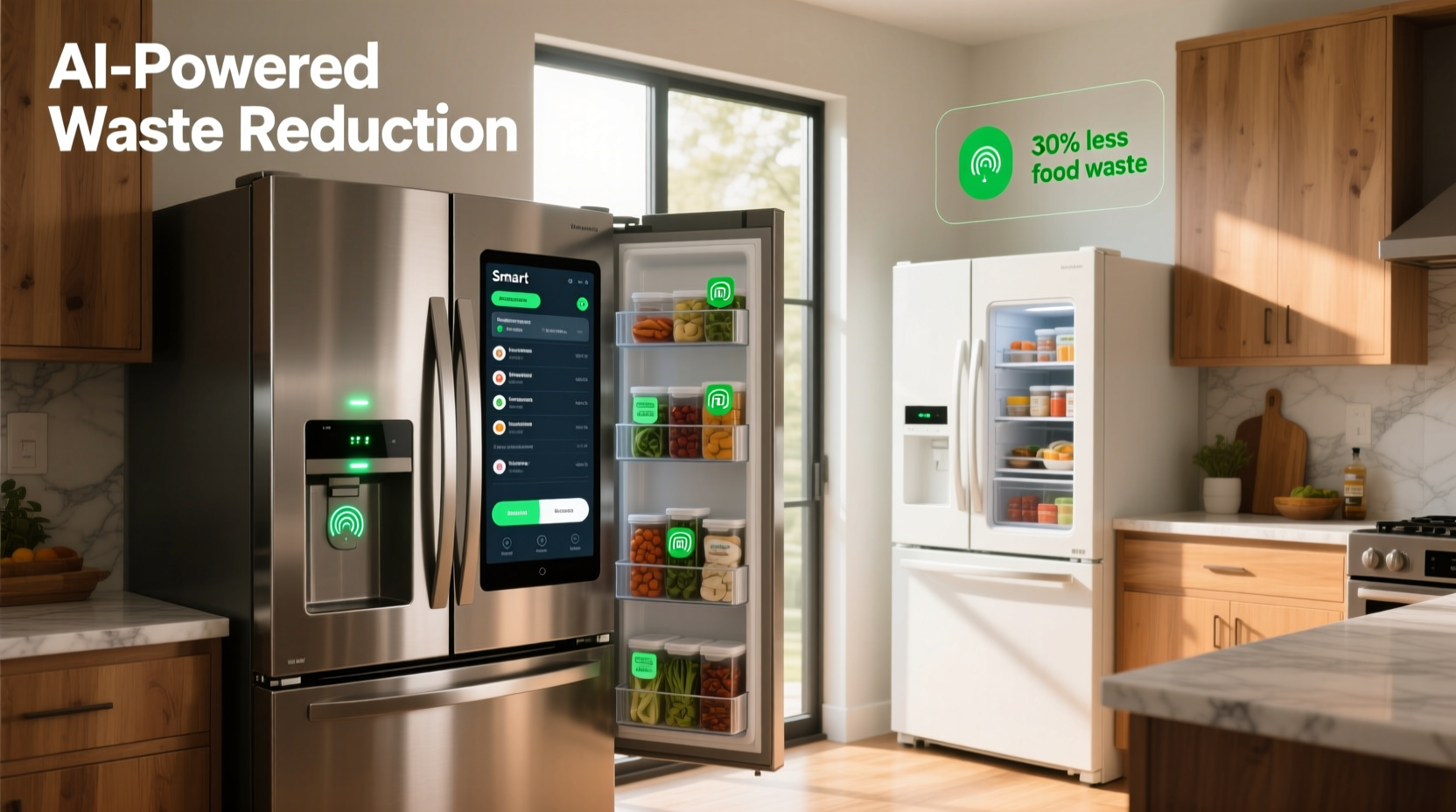
Modern smart fridges come equipped with internal cameras, AI-powered inventory tracking, mobile app integration, and expiration alerts. Brands like Samsung, LG, and GE Profile offer models where you can view your fridge contents remotely via smartphone, receive grocery suggestions, and even sync with meal-planning apps.
Some advanced systems use barcode scanning or image recognition to log items as they’re added. Over time, these fridges learn consumption patterns and send alerts when something is nearing its expiration date. For example, if you place milk inside, the system logs it, assumes a typical shelf life, and notifies you two days before it might spoil.
However, real-world performance varies. A 2023 Consumer Reports survey found that only 38% of smart fridge owners consistently used the inventory-tracking features. Many cited clunky interfaces, inaccurate item detection, and unreliable alerts as reasons for disengagement.
“Technology alone won’t stop food waste. Behavior change is the key driver. Even the best smart fridge can’t help if users ignore alerts or mislabel items.” — Dr. Laura Chen, Sustainable Food Systems Researcher, University of California
What You Can Add to a Regular Fridge to Fight Waste
A standard refrigerator, paired with low-cost tools and habits, can achieve similar—or better—results than a smart fridge. These solutions rely less on automation and more on intentional design and routine. Here are proven add-ons and strategies:
- Clear storage bins: Group like items (dairy, condiments, produce) in labeled, transparent containers for instant visibility.
- Magnetic whiteboard or dry-erase panel: Attach to the fridge door to list contents and expiration dates manually.
- Bluetooth-enabled expiration trackers: Stick-on sensors like “FreshTag” or “Insignia Fridge Camera” sync with apps to monitor freshness based on temperature and time.
- Produce preservation bags: Products like “Debbie Meyer Green Bags” or “Evertouch Produce Savers” extend shelf life by regulating ethylene gas.
- Digital thermometer strips: Monitor internal temps to ensure optimal storage conditions and prevent premature spoilage.
- Meal planning calendar: Post weekly plans on the fridge to align shopping with usage.
These tools typically cost under $100 combined—far less than the $2,500–$5,000 premium of most smart fridges.
Mini Case Study: The Miller Family Experiment
The Miller family in Portland, Oregon, conducted a six-month test comparing two approaches. In the first three months, they used their existing mid-range refrigerator with newly implemented add-ons: clear bins, a whiteboard, produce savers, and a $40 Wi-Fi fridge camera that sent daily photo updates to their phones.
In the second phase, they borrowed a high-end smart fridge with full inventory tracking, voice control, and expiration alerts. They tracked food waste by weight and cost each week.
Results showed a 42% reduction in waste during the add-ons phase. During the smart fridge phase, waste dropped by 45%—a marginal improvement. However, the family reported higher satisfaction with the manual system, citing fewer technical glitches and greater sense of control. They also saved over $3,000 by sticking with their original fridge.
Feature Comparison: Smart Fridge vs. Upgraded Regular Fridge
| Feature | Smart Fridge | Regular Fridge + Add-Ons |
|---|---|---|
| Initial Cost | $2,500 – $5,000 | $500 – $1,200 + $100 in add-ons |
| Inventory Tracking | Automatic (camera/AI), often inaccurate | Manual logging or simple camera alerts |
| Expiration Alerts | App notifications (requires setup) | Visual board + self-discipline or Bluetooth tags |
| User Engagement | Declines after 2–3 months (per studies) | High if routines are established |
| Maintenance & Updates | Software bugs, obsolescence in 5–7 years | Minimal; physical tools last years |
| Energy Efficiency | Varies; screens and connectivity increase draw | Standard efficiency; no added drain |
| Real-World Waste Reduction | ~40–45% | ~40–50% (with consistent use) |
The table shows that while smart fridges offer automation, they don’t significantly outperform upgraded conventional models in waste reduction. Moreover, their complexity often leads to lower long-term engagement.
Step-by-Step Guide to Building a Waste-Reducing Fridge System
You don’t need cutting-edge tech to make a meaningful difference. Follow this practical sequence to maximize freshness and minimize waste using a standard refrigerator:
- Assess your current fridge layout. Remove everything and clean shelves. Identify problem zones (e.g., crisper drawers full of wilted greens).
- Invest in clear, stackable bins. Assign zones: dairy, meats, snacks, condiments. Use small bins for sauces to prevent clutter.
- Install a door-mounted whiteboard or magnetic calendar. Update it weekly with key items and their use-by dates.
- Add a Wi-Fi enabled mini camera ($30–$50). Place it inside to take scheduled photos. Review them before grocery shopping.
- Use ethylene-absorbing packets or specialized produce bags. Store apples, bananas, and avocados separately from sensitive greens.
- Adopt a “first in, first out” rule. When adding new items, move older ones to the front.
- Create a weekly “use-it-up” night. Designate one dinner to consume leftovers or aging ingredients.
- Track waste for 30 days. Weigh spoiled food weekly and note patterns. Adjust storage or shopping habits accordingly.
Checklist: Your No-Waste Fridge Setup
Use this checklist to ensure your fridge system is optimized:
- ✅ All containers are transparent or clearly labeled
- ✅ Perishable items have visible dates (use tape + marker)
- ✅ Crisper humidity settings are adjusted (high for veggies, low for fruits)
- ✅ Door shelves hold only stable items (condiments, juices)
- ✅ A weekly meal plan is posted on the fridge
- ✅ Leftovers are stored in uniform, shallow containers for quick access
- ✅ A “eat first” bin is designated for aging items
- ✅ Temperature is set at or below 37°F (3°C)
- ✅ You review fridge contents before every grocery trip
- ✅ Spoilage is logged monthly to identify recurring issues
Expert Insights on Long-Term Effectiveness
While smart fridges generate excitement, experts emphasize that sustainability depends on usability, not just features.
“The most effective tools are the ones people actually use. A $4,000 fridge with unused AI is less valuable than a $700 fridge with a well-maintained labeling system.” — Dr. Alan Torres, Behavioral Economist, MIT Sustainability Lab
Human behavior remains the largest variable. A smart fridge may remind you about expired yogurt, but if you’ve already developed habits of checking the fridge every Sunday, the reminder adds little value. Conversely, if you're disorganized, even the best technology struggles without follow-through.
Moreover, smart fridges face rapid obsolescence. Software updates may cease after five years, rendering features useless. Physical add-ons, however, remain functional regardless of firmware support.
FAQ
Can a smart fridge really tell when food goes bad?
Not reliably. While some models use timers and assumptions based on food type, they cannot detect microbial spoilage. They alert based on estimated shelf life, not actual condition. You still need to inspect food visually and by smell.
Are fridge cameras worth it?
Yes—if used consistently. A basic Wi-Fi camera that sends daily photos to your phone can prevent duplicate purchases and help spot items before they spoil. They cost under $50 and integrate easily with any fridge.
Do I need to buy special containers for a no-waste fridge?
Not necessarily. Repurpose glass jars, deli containers, or use affordable BPA-free plastic bins. The key is clarity and consistency—not brand names. Uniform shapes also improve stacking and space use.
Conclusion: Practical Wins Over High-Tech Hype
When it comes to reducing food waste, the choice isn’t really between a smart fridge and a regular one—it’s between intentionality and automation. While smart fridges offer innovative features, their real-world impact is limited by cost, complexity, and declining user engagement. In contrast, a thoughtfully upgraded regular refrigerator, combined with simple behavioral changes, delivers comparable or better results at a fraction of the price.
The most effective strategy isn’t found in megapixels or AI algorithms, but in clear visibility, consistent labeling, and daily awareness. Whether you spend $300 or $3,000, the outcome depends on how diligently you use the system.




 浙公网安备
33010002000092号
浙公网安备
33010002000092号 浙B2-20120091-4
Comments
No comments yet. Why don't you start the discussion?