
When you step into the sun, your eyes need protection. But in an age where technology blends seamlessly with fashion, the question isn't just about UV defense—it's about function, identity, and innovation. Smart glasses with built-in cameras now compete with classic styles like Ray-Ban sunglasses. One promises utility; the other, timeless appeal. So which is the better investment? And more importantly, are Ray-Bans still worth their premium price in a world where smart eyewear can record video, take photos, and connect to your phone?
This article breaks down the real differences between smart glasses with cameras and traditional sunglasses—especially Ray-Bans—and evaluates whether the brand’s reputation holds up under scrutiny.
Understanding the Core Differences
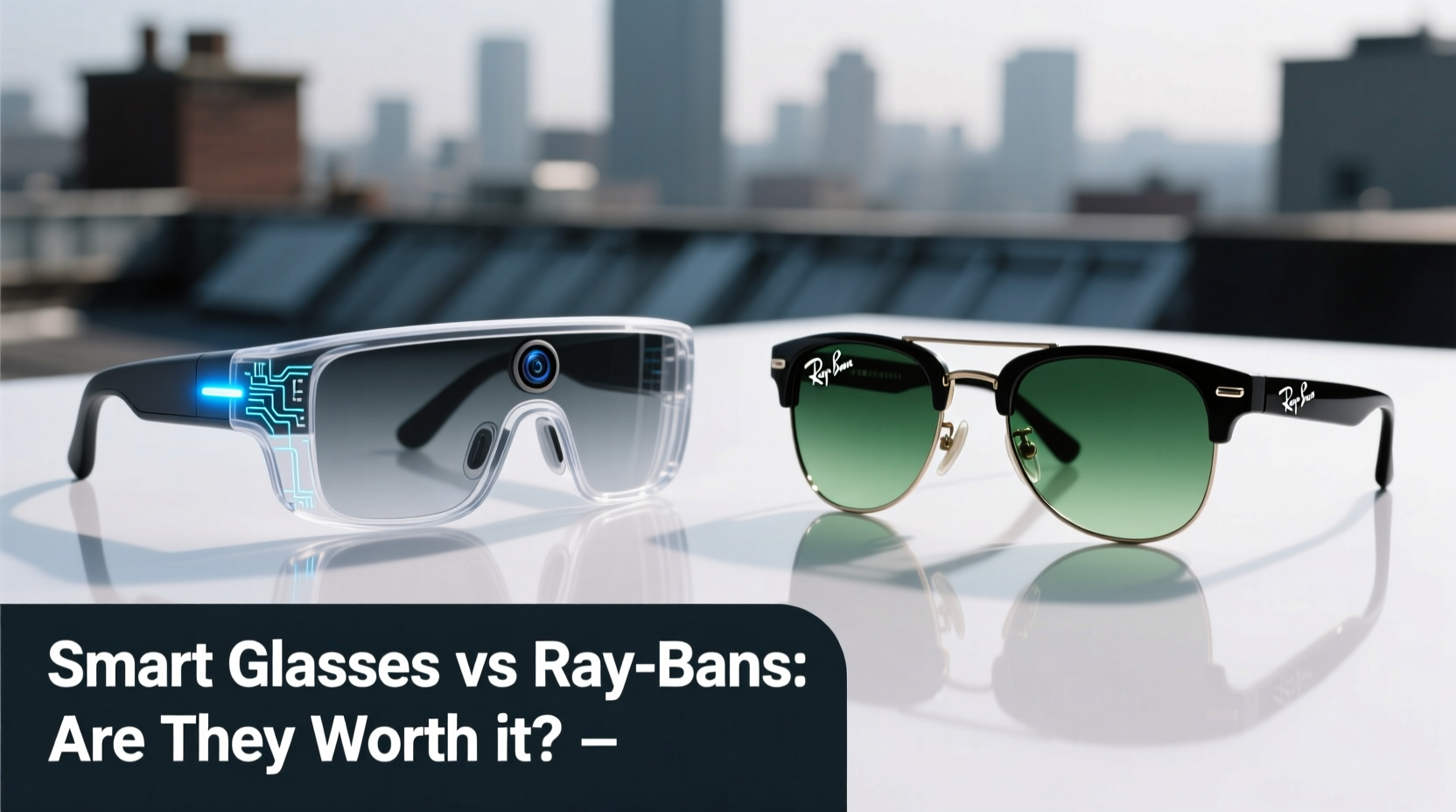
The most fundamental distinction lies in purpose. Regular sunglasses prioritize eye protection, visual comfort, and aesthetic expression. Smart glasses, on the other hand, integrate digital functionality—cameras, speakers, microphones, and Bluetooth connectivity—into wearable frames.
Ray-Ban, a legacy brand owned by Luxottica, has long been synonymous with style and durability. Their Wayfarer and Aviator models are cultural icons. But when Meta partnered with Ray-Ban to launch the Ray-Ban Meta smart glasses, they redefined what \"Ray-Ban\" could mean—not just as a fashion statement, but as a tech device.
These new smart glasses include HD cameras, open-ear audio, touch controls, and AI-powered features via Facebook Assistant (now Meta AI). They look nearly identical to classic Ray-Bans but pack capabilities that go far beyond sun protection.
Key Functional Differences
| Feature | Smart Glasses with Camera | Regular Sunglasses (e.g., Ray-Ban Classic) |
|---|---|---|
| Camera | Yes (12MP, capable of photos & 1080p video) | No |
| Battery Life | 3–4 hours active use (camera/audio) | N/A |
| Audio Playback | Yes (open-ear speakers) | No |
| Connectivity | Bluetooth, Wi-Fi, app integration | None |
| UV Protection | Yes (same as standard lenses) | Yes (UVA/UVB blocking) |
| Price Range | $299–$399 | $150–$250 |
| Maintenance Needs | Charging, software updates, lens care | Lens cleaning, physical storage |
Are Ray-Bans Worth It? The Brand Value Breakdown
Ray-Ban’s enduring popularity isn’t accidental. Since 1937, the brand has delivered consistent quality in lens clarity, frame durability, and design versatility. Independent tests by optical labs confirm that Ray-Ban lenses meet ANSI Z80.3 standards for impact resistance and UV filtration.
But brand equity comes at a cost. A pair of classic Ray-Ban Aviators retails for around $180–$220, while comparable non-branded polarized sunglasses can be found for under $50. Is the premium justified?
“Ray-Ban strikes a rare balance—optical performance meets cultural relevance. For many consumers, wearing them isn’t just about vision; it’s about identity.” — Dr. Lena Torres, Eyewear Industry Analyst, Vision Trends Report
The answer depends on your priorities. If you value craftsmanship, resale durability, and iconic styling that transcends trends, Ray-Bans hold their ground. However, if pure function is your goal, budget-friendly alternatives from brands like Oakley, Torege, or even Amazon’s Solano line offer similar UV protection and polarization at lower prices.
Smart Glasses: Practical Use Cases vs Gimmicks
Smart glasses are often dismissed as novelty items—but real-world applications reveal deeper utility.
- Vloggers and content creators use them for hands-free filming during walks, bike rides, or urban exploration.
- Travelers capture candid moments without pulling out a phone, preserving authenticity.
- Parents discreetly record school plays or park outings while staying engaged.
- Field professionals, like inspectors or real estate agents, document site visits efficiently.
However, limitations exist. Battery life remains a constraint. Audio quality, while improved in newer models, still lags behind dedicated earbuds. And privacy concerns persist—some public venues ban recording devices, including camera-equipped glasses.
Mini Case Study: Urban Photographer Tests Ray-Ban Meta Glasses
Jamal Reyes, a street photographer based in Brooklyn, used Ray-Ban Meta glasses for two months alongside his DSLR and smartphone. His goal: assess how well the glasses complemented his workflow.
He found that while image quality wasn’t studio-grade, the spontaneity they enabled was unmatched. “I captured a man feeding pigeons at dawn—something I’d have missed setting up my camera for,” he said. “The glasses didn’t replace my gear, but they added a layer of immediacy.”
Still, Jamal noted drawbacks: limited zoom, inconsistent autofocus in low light, and social discomfort when people noticed the camera indicator light.
Step-by-Step Guide: Choosing Between Smart and Regular Sunglasses
Follow this decision framework to determine which option suits your lifestyle:
- Define your primary use case: Will you wear them mostly for driving, fashion, outdoor sports, or content creation?
- Evaluate tech needs: Do you want voice commands, music playback, or photo capture on the go?
- Assess battery tolerance: Can you manage daily charging, or do you prefer zero maintenance?
- Consider privacy norms: Will wearing camera glasses make others uncomfortable in your environment?
- Set a budget: Determine whether the added tech justifies a $100–$200 premium over classic models.
- Test wearability: Visit a store if possible—smart glasses are slightly heavier due to embedded components.
Checklist: What to Look for Before Buying
- ✅ UV400 protection (non-negotiable for any sunglass)
- ✅ Polarized lenses (reduces glare, especially near water or roads)
- ✅ Comfortable fit (no pressure on temples or nose bridge)
- ✅ Durable hinge mechanism (tested for repeated opening/closing)
- ✅ For smart glasses: App reliability, firmware update frequency
- ✅ Microphone clarity (important for calls and voice commands)
- ✅ Discreet camera indicator (required by law in many regions)
FAQ
Can you wear Ray-Ban smart glasses without using the camera?
Absolutely. When not actively recording, they function like regular sunglasses. You can disable camera features entirely via the Meta View app if desired.
Do Ray-Ban classics offer better UV protection than smart versions?
No. Both lines use the same high-quality lenses with 100% UVA/UVB protection. The smart version doesn’t compromise on optical safety.
Are there legal issues with wearing camera glasses in public?
Laws vary by location. In the U.S., one-party consent states allow recording if you’re part of the conversation. However, some businesses prohibit camera use. Always check local regulations and respect social etiquette.
Final Verdict: Are Ray-Bans Actually Worth It?
If you're buying classic Ray-Bans purely for sun protection, there are cheaper alternatives that perform just as well optically. But Ray-Bans deliver more than specs—they offer heritage, design consistency, and a level of build quality that resists warping and scratching over time.
For those considering the smart version, the value shifts. At $299, Ray-Ban Meta glasses are competitively priced against rivals like Snap Spectacles or Vuzix Blade. They win on aesthetics, blending in far better than bulkier tech-focused models. If you want subtle, stylish tech that captures life’s fleeting moments, they’re among the best options available.
Ultimately, the choice isn’t just about specs or savings—it’s about how you see yourself using your eyewear. For passive sun protection and timeless style, classic Ray-Bans remain a solid, if premium, choice. For active creators and tech-forward users, the smart version adds meaningful functionality without sacrificing form.




 浙公网安备
33010002000092号
浙公网安备
33010002000092号 浙B2-20120091-4
Comments
No comments yet. Why don't you start the discussion?