
Spring weather is notoriously unpredictable. One morning you're greeted with crisp air and frost-laced sidewalks; by afternoon, the sun blazes and your coat feels like a sauna. For many, this means constant adjustments—shrugging off layers, sweating under wool, or shivering in short sleeves when clouds roll back in. The solution isn’t shedding your coat altogether—it’s mastering the art of smart layering.
Effective layering isn’t just about piling on clothes. It’s a strategic system that balances insulation, moisture management, and breathability. When done right, you can wear a thick coat comfortably throughout fluctuating temperatures without feeling restricted, overheated, or underdressed. This guide breaks down the science and style behind optimal spring layering so you stay warm, dry, and agile from March through May.
The Three-Layer Principle: Foundation of Smart Dressing
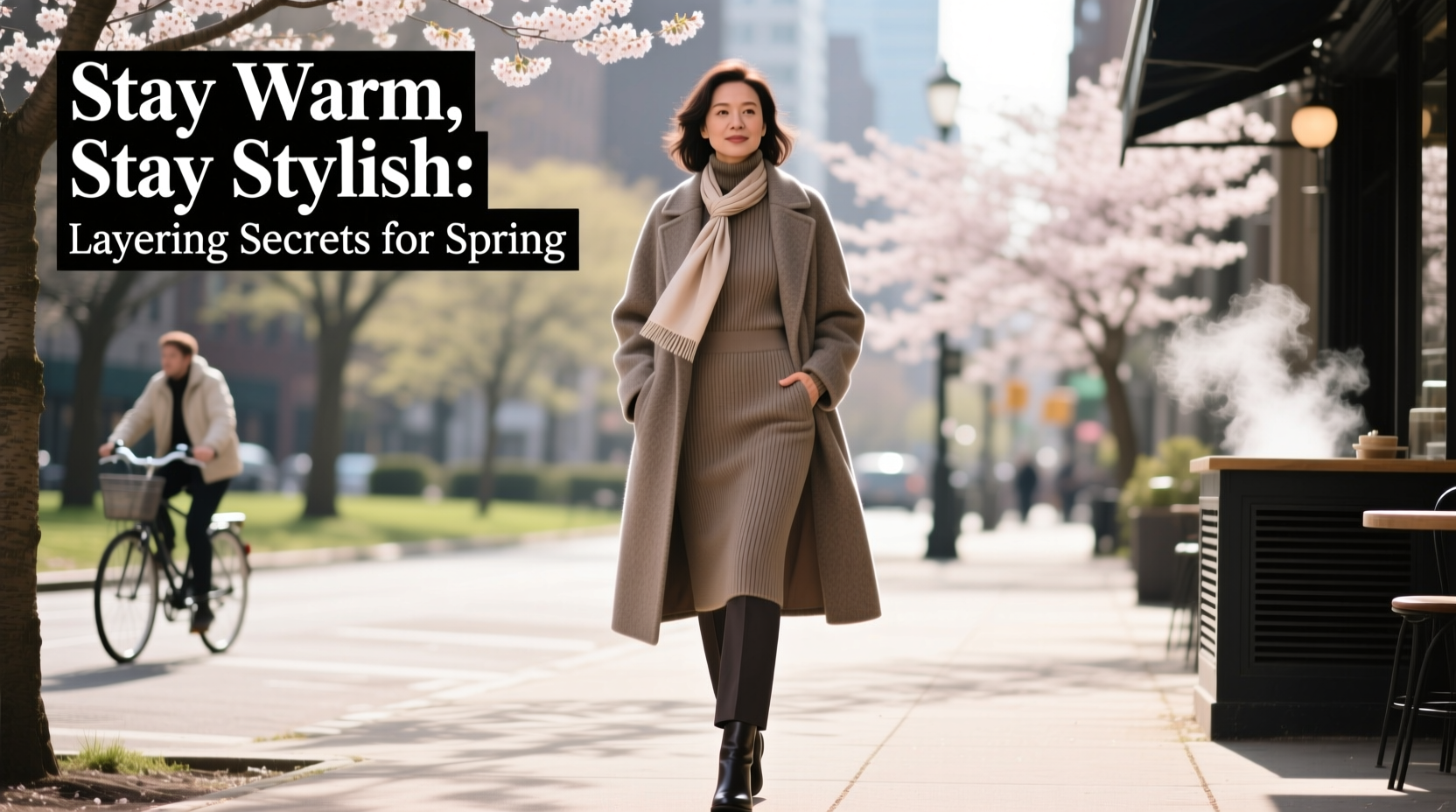
Outdoor experts have long relied on the three-layer system: base, mid, and outer. Each serves a distinct purpose, and understanding their roles transforms how you experience variable spring conditions.
- Base Layer: Worn directly against the skin, its job is moisture wicking. As temperatures rise during the day, your body produces sweat even in cool air. A good base layer pulls that moisture away, keeping you dry and preventing the chill of damp fabric.
- Mid Layer: This provides insulation. Materials like merino wool, fleece, or lightweight down trap heat while remaining breathable. The key is choosing a layer that matches expected temperatures but can be removed if needed.
- Outer Layer (Coat): Your thick coat acts as protection from wind, rain, and sudden cold snaps. But it shouldn’t do all the work. If your inner layers are poorly chosen, even the best coat will leave you either sweltering or freezing.
Material Matters: Choosing the Right Fabrics
Not all fabrics behave the same under a heavy coat. Some trap heat inefficiently, others hold moisture, and a few strike the perfect balance for transitional seasons.
| Fabric | Pros | Cons | Best For |
|---|---|---|---|
| Merino Wool | Natural temperature regulation, odor-resistant, excellent moisture wicking | Pricier, requires gentle care | Base and mid layers |
| Synthetic (Polyester, Nylon) | Durable, quick-drying, affordable | Can retain odors, less breathable than natural fibers | Active wear, outer shells |
| Cotton | Soft, breathable, widely available | Retains moisture, loses insulating power when wet | Casual wear (not recommended as base layer) |
| Down | Exceptional warmth-to-weight ratio | Loses loft when wet, bulky | Mid or outer layer in dry cold |
| Lightweight Fleece | Breathable, warm, easy to pack | Pills over time, moderate wind resistance | Mid layer in mild to cool conditions |
Avoid cotton next to your skin during active days. While comfortable at home, cotton absorbs moisture and dries slowly—creating a chilling effect once you stop moving. Instead, opt for merino wool blends or synthetic performance fabrics designed for thermal regulation.
Step-by-Step Guide: Building Your Spring Layering System
Follow this sequence to assemble a flexible, functional outfit that works under a thick coat:
- Assess the forecast: Check both morning lows and afternoon highs. A 30°F start warming to 60°F demands versatility.
- Select a moisture-wicking base: Choose a fitted, long-sleeve top made of merino wool or synthetic blend. Fit should be snug but not tight.
- Add a lightweight mid layer: A quarter-zip fleece, light sweater, or vest offers warmth without bulk. Zippers allow ventilation on warmer stretches.
- Choose a breathable coat: Look for storm flaps, underarm vents, or adjustable cuffs. These features enhance airflow control.
- Carry a packable layer: Keep a foldable down vest or compact hoodie in your bag for unexpected drops in temperature.
- Monitor and adapt: Remove your mid layer before entering heated buildings. Reapply it before stepping back outside.
Real Example: Commuting Through Variable Spring Weather
Consider Sarah, a urban professional who walks 15 minutes to work each morning. In early April, temperatures range from 38°F at 7 AM to 62°F by noon. She used to wear a heavy sweater under her wool coat, only to arrive at the office flushed and sweaty. After switching to a merino base layer and a lightweight quarter-zip fleece, she unzips the fleece halfway through her walk. By the time she reaches her desk, she's comfortable and dry. At lunch, she removes the fleece entirely and enjoys the sun in just her base layer and coat. In the evening, she zips back up and stays warm.
This small change eliminated discomfort, reduced laundry frequency due to less sweat buildup, and improved her overall mood. Her coat remained effective—not as a standalone barrier, but as part of a responsive system.
Expert Insight: What Professionals Recommend
“Layering isn’t about staying warm—it’s about staying balanced. The goal is thermal neutrality: avoiding both overheating and underheating. That happens when each layer has a specific role.” — Dr. Lena Torres, Environmental Physiologist & Outdoor Gear Consultant
Dr. Torres emphasizes that modern lifestyles involve frequent transitions between environments: outdoor commutes, heated offices, air-conditioned stores. Clothing must adapt as rapidly as these shifts occur. “Your coat is the final shield,” she adds, “but the real comfort comes from what’s underneath.”
Checklist: Smart Layering Essentials for Spring
- ✅ Long-sleeve base layer (merino or synthetic)
- ✅ Lightweight mid layer with zip or open front
- ✅ Thick coat with ventilation options (pit zips, storm flaps)
- ✅ Packable supplemental layer (e.g., down vest)
- ✅ Breathable socks and hat (for extremity warmth)
- ✅ Bag or backpack to store removed layers
- ✅ Awareness of indoor climate (avoid overheating at work)
Frequently Asked Questions
Can I wear a hoodie as a mid layer under my coat?
Yes, but choose wisely. A slim, low-bulk hoodie made of moisture-wicking fabric works well. Avoid oversized or cotton-heavy styles, which add unnecessary volume and retain sweat. Look for technical hoodies designed for layering—they’re lighter and more breathable.
How do I avoid looking bulky under my coat?
Focus on fit and fabric. Choose slim-fit layers that follow your body’s contours. Replace thick cotton sweaters with thinner, high-loft materials like PrimaLoft or grid fleece. Also, consider a slightly larger coat size if you plan to wear multiple layers regularly—without sacrificing wind protection.
Is layering necessary on milder spring days?
Even on 55°F days, layering helps manage microclimates. Indoor heating, physical activity, and shade can create dramatic temperature differences. A light base layer under a shirt and open jacket gives you flexibility most single-layer outfits can’t match.
Conclusion: Stay Comfortable, Not Just Covered
Wearing a thick coat in spring doesn’t have to mean enduring discomfort. With smart layering, you gain control over your personal climate—staying dry, warm, and mobile no matter how fickle the weather becomes. The key lies in intentionality: selecting functional fabrics, structuring layers logically, and adapting as conditions change.
Don’t wait for the perfect temperature to update your wardrobe. Start now by investing in one high-quality base layer and a versatile mid piece. Test them under your existing coat during daily routines. Small changes yield significant improvements in comfort, confidence, and energy levels.




 浙公网安备
33010002000092号
浙公网安备
33010002000092号 浙B2-20120091-4
Comments
No comments yet. Why don't you start the discussion?