
As the crisp air of autumn settles in, many people reach for their favorite lightweight jackets. While stylish and comfortable, these outer layers often lack the insulation needed when temperatures dip. The secret to staying warm without sacrificing mobility or fashion lies in smart layering. By understanding fabric types, fit coordination, and thermal dynamics, you can transform a simple jacket into a reliable defense against the chill—without looking bulky or over-dressed.
The Science Behind Layering
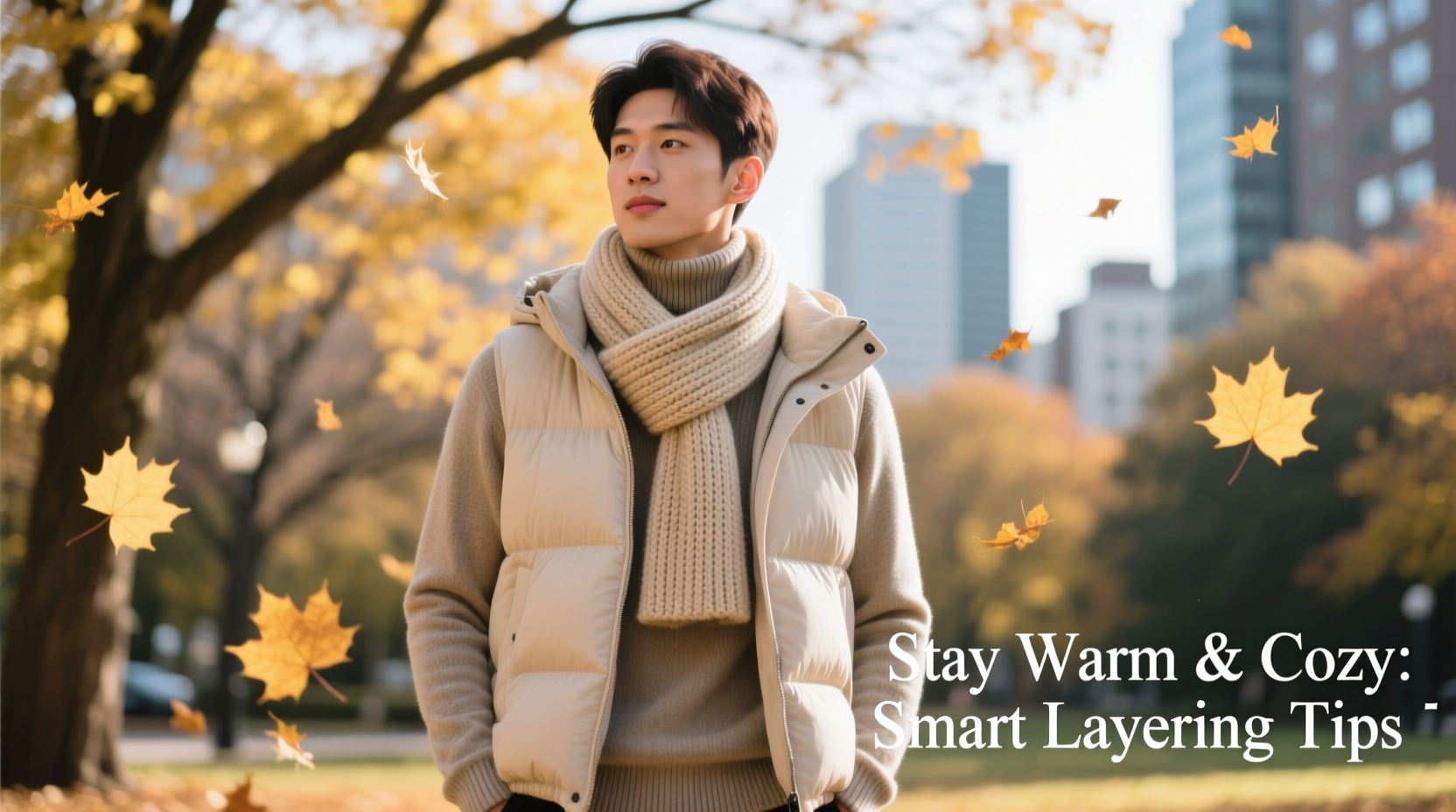
Effective layering isn’t just about piling on clothes—it’s about creating a microclimate around your body that traps heat while allowing moisture to escape. This system typically consists of three key layers: base, mid, and outer. Each plays a distinct role:
- Base Layer: Worn directly against the skin, its primary job is moisture management. It pulls sweat away from your body to prevent cooling through evaporation.
- Mid Layer: Acts as insulation, trapping warm air close to your body. Materials like merino wool, fleece, or down are ideal here.
- Outer Layer: Protects against wind, rain, and abrasion. A light autumn jacket serves this purpose but may need reinforcement depending on conditions.
When properly balanced, these layers keep you warm even in fluctuating weather. Over-layering can lead to overheating and sweating, which defeats the purpose—especially if your outer jacket isn't breathable.
Choosing the Right Base Layer
Your foundation determines how well the rest of your system performs. Cotton might feel soft, but it holds moisture and cools rapidly when wet, making it a poor choice for cooler months. Instead, opt for technical fabrics designed for temperature regulation.
| Fabric Type | Pros | Cons |
|---|---|---|
| Merino Wool | Natural odor resistance, excellent warmth-to-weight ratio, breathable | Higher cost, requires gentle washing |
| Synthetic (Polyester/Blend) | Durable, quick-drying, affordable | Can retain odors over time |
| Silk (for mild conditions) | Lightweight, smooth undergarment feel | Limited insulation, delicate care needed |
A well-fitted base layer should feel snug but not restrictive. Avoid wrinkles or bunching, which can cause discomfort and reduce heat retention. Long sleeves are recommended during early mornings or evenings, even if you plan to remove them later indoors.
Building an Effective Mid Layer
This is where warmth is generated. Since most autumn jackets offer minimal insulation, the mid layer becomes critical. However, thickness doesn’t always equal effectiveness—fit and material matter more.
Fleece pullovers are a popular option due to their breathability and moderate warmth. For variable conditions, consider a packable vest made of synthetic insulation; it adds core warmth without overheating the arms. Alternatively, lightweight down or down-alternative sweaters provide high warmth in a slim profile.
“The best mid layers mimic a thermos—they trap heat efficiently without adding bulk.” — Dr. Lena Torres, Textile Scientist at Alpine Performance Labs
Fit is crucial: too loose, and warm air escapes; too tight, and circulation suffers. Aim for a layer that zips or buttons easily under your jacket without pulling at the seams.
Optimizing Your Light Autumn Jacket
Many autumn jackets prioritize style over function—think denim truckers, nylon windbreakers, or unlined bombers. These look great but often fall short in cold gusts. You can compensate with strategic adjustments:
- Add a thin thermal vest beneath your mid layer for core protection.
- Use a scarf or neck gaiter to seal heat loss at the collar.
- Carry a compact packable shell for sudden showers or wind spikes.
- Ensure your jacket zips fully without straining over layered pieces.
If your jacket has ventilation zippers, keep them closed in cold weather. Likewise, cinch adjustable hems or drawcords to minimize drafts. Remember: wind chill can drop perceived temperature by several degrees, so blocking airflow is essential.
Step-by-Step Layering Routine for Autumn Mornings
- Start indoors: Put on a merino wool long-sleeve base layer.
- Add warmth: Slide on a lightweight fleece quarter-zip.
- Seal the system: Wear your light jacket, ensuring full range of motion.
- Accessories: Add gloves and a beanie if needed; use a neck gaiter for extra face protection.
- Adjust outdoors: If you begin to sweat, unzip your jacket or mid layer slightly to vent excess heat.
This sequence adapts to changing conditions throughout the day. Once inside a heated space, simply peel off the mid layer and continue wearing your base and jacket—or just the jacket alone.
Real-Life Scenario: Commuting Through Autumn in Seattle
Maria, a graphic designer in Seattle, walks 15 minutes to the office each morning. Her go-to jacket is a sleek navy field coat with no lining. Early October brought foggy, damp 48°F (9°C) mornings that left her shivering until she arrived.
She tested different combinations and found success with a thin merino turtleneck, a cropped quilted vest, and fingerless wool gloves. The vest provided chest warmth without interfering with her bag straps, and the turtleneck sealed her neckline. With this setup, she stayed warm during her walk and could easily shed the vest once indoors.
“I used to think only heavy coats worked in fall,” Maria said. “But now I realize it’s about pairing smart pieces—not just piling on clothes.”
Common Layering Mistakes to Avoid
- Wearing cotton next to skin: Holds moisture and increases risk of chilling.
- Oversizing layers: Creates gaps where cold air enters and warm air escapes.
- Ignoring the neck and wrists: Major heat-loss zones that should be covered or shielded.
- Overheating before going outside: Starting sweaty leads to rapid cooling once exposed to wind.
- Forgetting footwear: Cold feet make your whole body feel colder—wear lined boots or warm socks.
Frequently Asked Questions
Can I wear a hoodie as a mid layer under my jacket?
Yes, but choose a slim-fit, low-bulk hoodie made from performance fleece or cotton blend with synthetic fibers. Avoid oversized styles that compress insulation and restrict movement.
How do I avoid looking bulky when layering?
Prioritize thin, high-efficiency materials like merino wool and synthetic insulation. Stick to similar color tones across layers for a streamlined appearance. Tailored fits and vertical lines also create a slimmer silhouette.
Is layering necessary on milder autumn days?
Even on 60°F (15°C) days, mornings and evenings can be chilly. A base layer plus jacket offers flexibility. As temperatures rise, you can remove layers gradually instead of overheating.
Layering Checklist for Autumn Readiness
- ✔️ Invest in a moisture-wicking base layer (merino or synthetic)
- ✔️ Choose one or two versatile mid layers (fleece, vest, sweater)
- ✔️ Ensure your light jacket closes comfortably over layered clothing
- ✔️ Pack accessories: beanie, gloves, neck gaiter
- ✔️ Test your full ensemble at home before relying on it outdoors
- ✔️ Store spare layers in a small tote or backpack for indoor transitions
Final Thoughts
Staying warm and cozy in a light autumn jacket doesn’t require heavy gear or sacrificing personal style. With thoughtful layering, you gain control over your comfort in unpredictable fall weather. The goal isn’t to eliminate cold entirely—but to manage it intelligently. By selecting functional fabrics, maintaining proper fit, and adapting to environmental shifts, you can enjoy the season in both comfort and confidence.




 浙公网安备
33010002000092号
浙公网安备
33010002000092号 浙B2-20120091-4
Comments
No comments yet. Why don't you start the discussion?