
Fresh green beans are a summer staple—crisp, vibrant, and packed with nutrients. But their peak season is short, and without proper handling, they spoil within days. Freezing is one of the most efficient ways to extend their shelf life while preserving taste and quality. However, not all freezing methods deliver the same results. Done incorrectly, frozen beans can turn mushy, discolored, or bland. The key lies in smart preparation and precise technique. This guide reveals proven strategies to freeze fresh beans so they retain their crunch, color, and culinary versatility for up to 12 months.
Why Blanching Is Essential for Quality Freezing
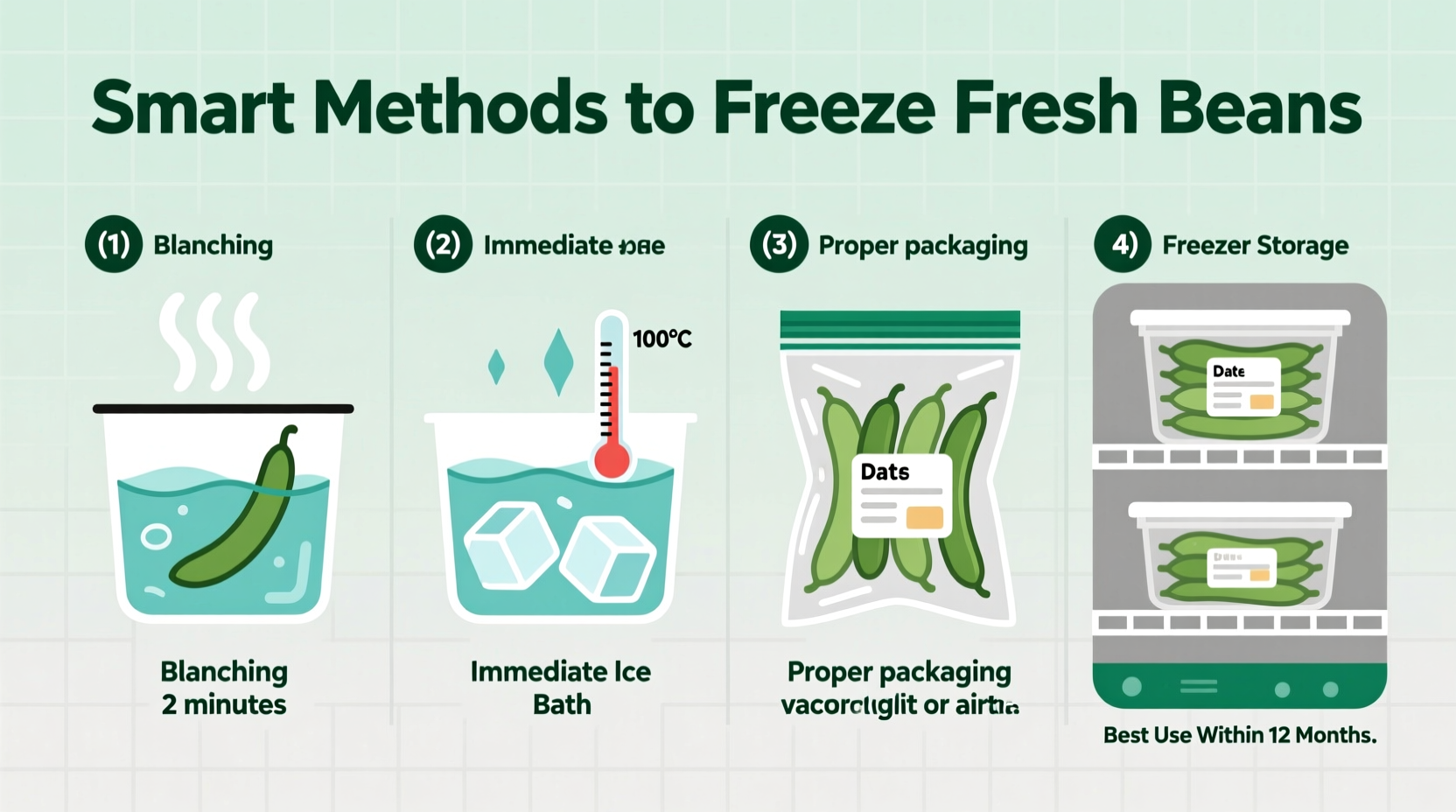
Freezing raw beans might seem convenient, but skipping blanching compromises both texture and safety. Blanching—briefly boiling vegetables and then plunging them into ice water—halts enzyme activity that causes spoilage, preserves vibrant green color, and prevents off-flavors from developing during storage.
Enzymes naturally present in beans continue to break down cell structure even at freezer temperatures. Without deactivation through heat, these enzymes degrade texture and nutritional value over time. The USDA recommends blanching as a critical step in safe home freezing practices.
“Blanching isn’t optional if you want high-quality frozen vegetables. It locks in freshness and stops deterioration before it starts.” — Dr. Linda Harris, Food Safety Specialist, Cornell University
Step-by-Step: How to Blanch Beans Properly
- Wash beans thoroughly under cool running water to remove dirt and debris.
- Trim ends and cut into uniform lengths (optional; whole beans work fine).
- Bring a large pot of water to a rolling boil (use about 1 gallon per pound of beans).
- Submerge beans in boiling water for exactly 3 minutes.
- Immediately transfer beans to a bowl of ice water to stop cooking (cool for 3–5 minutes).
- Drain well and pat dry with clean towels or use a salad spinner.
Optimal Packaging Techniques for Long-Term Storage
Dry beans are ready for freezing, but how you package them determines their longevity and protection against freezer burn. Air and moisture are the enemies of frozen produce. Effective packaging minimizes exposure and maintains quality.
| Method | Best For | Shelf Life | Key Benefit |
|---|---|---|---|
| Vacuum Sealing | Long-term storage (up to 12 months) | 10–12 months | Eliminates air, prevents freezer burn |
| Freezer-Safe Zip Bags (with air pressed out) | Everyday use | 8–10 months | Affordable and accessible |
| Rigid Plastic Containers | Portion control, stacking | 6–8 months | Prevents crushing, reusable |
| Aluminum Foil + Plastic Wrap | Short-term (not recommended beyond 3 months) | 2–3 months | Limited protection; best for immediate plans |
To maximize results with zip-top bags: fill, seal almost completely, then insert a straw into the corner. Suck out remaining air before removing the straw and sealing fully. This simple trick mimics vacuum sealing and significantly reduces oxidation.
Smart Freezing Timeline: From Garden to Freezer
Timing matters when preserving peak freshness. The sooner you process beans after harvest or purchase, the better the final result. Follow this ideal timeline:
- Day 0 – Harvest/Purchase: Pick or buy beans early in the day. Choose firm, bright green pods without blemishes.
- Within 6 Hours: Begin processing. Delay increases fiber development and moisture loss.
- Hours 1–2: Wash, trim, and blanch.
- Hour 3: Cool, drain, and dry completely.
- Hour 4: Package in portion-sized batches (e.g., 1-cup or 2-cup servings).
- Hour 5: Freeze flat on a tray for 1–2 hours before stacking (prevents clumping).
- Thereafter: Store upright or stacked in the coldest part of the freezer (ideally 0°F / -18°C).
Common Mistakes That Ruin Frozen Beans
Even experienced home preservers make errors that compromise results. Avoid these pitfalls:
- Skip drying after blanching: Excess moisture creates ice crystals, leading to soggy beans upon thawing.
- Overpacking containers: Crowding prevents rapid freezing, resulting in large ice crystals that damage cell walls.
- Using thin or non-freezer bags: Standard plastic bags become brittle and crack at low temperatures.
- Freezing warm beans: Adding hot food raises freezer temperature temporarily, affecting other items.
- Storing near strong-smelling foods: Beans absorb odors; keep them sealed and away from fish or onions.
Real Example: A Home Gardener’s Success Story
Sarah Thompson, a backyard grower in Vermont, used to lose half her bean harvest each summer due to spoilage. After learning about blanching and vacuum sealing, she changed her approach. “I planted six rows of Provider and Jade varieties last June,” she shared. “Instead of canning or eating them all fresh, I froze them in one-pound portions right after picking. Every weekend, I’d process a batch—blanched, chilled, dried, and sealed.”
By winter, she was adding perfectly crisp beans to stews and stir-fries. “They tasted like August,” she said. “No sliminess, no gray color. My family couldn’t believe they were frozen.” Her method saved over 20 meals’ worth of vegetables and reduced grocery spending by nearly $150 during the off-season.
Expert Tips for Best Results
- Freeze only high-quality beans—never salvage limp or spotted ones.
- Use stainless steel or glass bowls for ice baths; they conduct cold faster than plastic.
- Consider flash-freezing individual beans on a tray before bagging to prevent clumping.
- For soups and casseroles, under-blanch slightly (2.5 minutes) since they’ll cook further later.
- Do not thaw before cooking; add frozen beans directly to boiling water or hot oil.
FAQ: Your Freezing Questions Answered
Can I freeze cooked beans?
Yes, but texture changes significantly. Cooked beans tend to become softer and may lose shape. They’re best used in mashed dishes, soups, or casseroles. Cool completely before freezing and leave headspace in containers for expansion.
How long do frozen beans last?
Properly packaged and stored at 0°F (-18°C), blanched green beans maintain peak quality for 10–12 months. While safe indefinitely, flavor and texture decline after one year.
Why are my frozen beans mushy?
Mushiness usually stems from over-blanching, inadequate cooling, or slow freezing. Ensure beans are cooled rapidly and frozen quickly in small batches. Also, avoid refreezing thawed beans.
Final Checklist: Master the Freeze
Before your next batch goes into the freezer, run through this checklist:
- ☐ Select fresh, firm green beans
- ☐ Wash and trim uniformly
- ☐ Blanch for 3 minutes precisely
- ☐ Shock in ice water immediately
- ☐ Drain and dry thoroughly
- ☐ Portion into usable sizes
- ☐ Use freezer-safe, air-tight packaging
- ☐ Label with date and contents
- ☐ Freeze flat first, then stack
- ☐ Store at 0°F or lower
Conclusion: Preserve Summer’s Bounty All Year Round
Freezing fresh beans doesn’t have to be complicated or inconsistent. With blanching, careful drying, and smart packaging, you can enjoy crisp, flavorful beans months after harvest. These methods aren’t just about convenience—they honor the effort behind growing or selecting quality produce. Whether you're a home gardener, seasonal shopper, or meal prepper, mastering the freeze empowers you to reduce waste, save money, and elevate everyday cooking.




 浙公网安备
33010002000092号
浙公网安备
33010002000092号 浙B2-20120091-4
Comments
No comments yet. Why don't you start the discussion?