
For many people, the morning coffee ritual begins with a reliable travel cup. Whether commuting to work, heading to a meeting, or simply enjoying a walk in the park, keeping your drink at the ideal temperature matters. But as technology advances, so do our options. The rise of smart mugs—cups that actively regulate beverage temperature—has sparked debate: are they worth it, or is a well-insulated regular travel tumbler still the better choice?
The answer depends on lifestyle, priorities, and how much value you place on precision over practicality. While smart mugs offer cutting-edge features like app connectivity and automatic heating, traditional tumblers continue to dominate in durability, affordability, and simplicity. This article dives deep into both options, examining their strengths, limitations, and whether temperature control truly enhances the daily experience—or just adds unnecessary complexity.
How Smart Mugs Work: Technology Behind Temperature Control
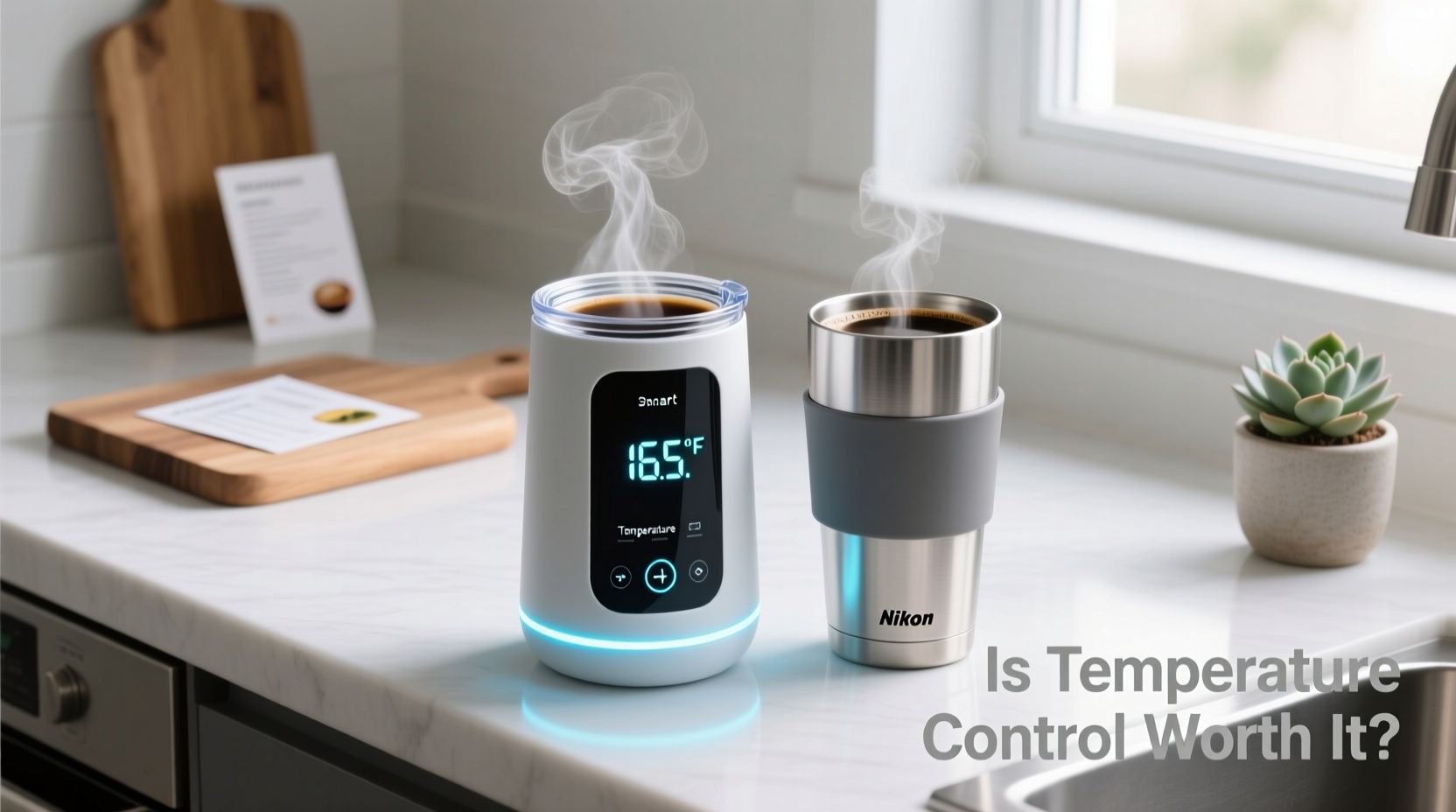
Smart mugs use built-in heating elements powered by rechargeable batteries to maintain a user-defined temperature. Most models connect via Bluetooth to a smartphone app, allowing users to set preferred drinking temperatures (typically between 130°F and 145°F), monitor remaining battery life, and receive alerts when the drink reaches optimal warmth.
The heating mechanism is usually located in the base of the mug. When placed on a charging coaster or dock, the mug recharges its internal battery, which can last anywhere from 60 minutes to over two hours of continuous heat, depending on the model and ambient conditions. Some advanced versions even feature auto-sensing technology that activates heating only when liquid is detected, conserving energy.
Popular brands like Ember have led the charge in this space, marketing their products as ideal for professionals who want precision and consistency throughout the day. However, this level of sophistication comes with trade-offs: higher cost, increased maintenance, and dependency on power sources.
Performance Comparison: Smart Mug vs Regular Travel Tumbler
To evaluate whether temperature control is necessary, it's essential to compare real-world performance across key categories. Below is a detailed breakdown using common metrics valued by consumers.
| Feature | Smart Mug (e.g., Ember) | Regular Travel Tumbler (e.g., Yeti Rambler, Hydro Flask) |
|---|---|---|
| Temperature Retention | Actively maintains set temp for ~1–2 hours | Passively insulates; keeps hot drinks warm 6–12 hours |
| Battery Dependency | Required for heating; needs daily charging | No battery needed |
| Durability | Moderate; sensitive electronics vulnerable to drops/water damage | High; stainless steel construction resists dents and wear |
| Price Range | $99–$149+ | $25–$45 |
| Lid Options & Leak Resistance | Limited; some models prone to minor leaks | Variety of leak-proof lids available |
| Maintenance | More complex; avoid submerging base, clean carefully | Straightforward; dishwasher-safe (top rack) |
| Portability | Requires carrying charging coaster for extended use | Fully portable; no accessories needed |
While smart mugs excel in delivering consistent sips at a precise temperature, their passive insulation is often inferior to high-end tumblers. In contrast, a double-walled vacuum-insulated tumbler doesn’t need electricity but can keep coffee hot through an entire workday without intervention.
“Smart mugs solve a problem most people didn’t know they had. For those who prioritize convenience over perfection, traditional tumblers remain the gold standard.” — Dr. Lena Patel, Product Design Researcher at MIT Media Lab
Real-World Use Case: Office Worker vs Commuter
Consider two common scenarios:
Case Study: Sarah, the Office-Based Consultant
Sarah starts her day with a freshly brewed latte at 8:30 AM. She works at a desk with access to outlets and frequently forgets about her drink until mid-morning. By 10:00 AM, her coffee is lukewarm. With a smart mug, she sets her ideal temperature at 135°F. Even after distractions, each sip remains consistently warm thanks to active heating. She appreciates the gentle reminder notifications and finds the app interface intuitive. For Sarah, the smart mug enhances productivity and enjoyment.
Case Study: James, the Daily Commuter
James takes a 45-minute train ride each way and relies on his tumbler to keep coffee hot during transit and early meetings. He uses a 20 oz Hydro Flask that keeps his drink steaming until noon. He values reliability and hates dealing with charging cables or worrying about water exposure damaging electronics. His tumbler survives drops, spills, and years of use with minimal wear. For James, the smart mug offers no tangible benefit and introduces new risks.
This contrast illustrates that necessity is context-dependent. Those with stable environments and access to power may find value in smart mugs. Mobile users often benefit more from passive insulation.
Is Temperature Control Really Necessary? Breaking Down the Benefits
The core promise of a smart mug is eliminating the disappointment of cold coffee. But is maintaining a constant temperature truly essential?
- Precision Over Preference: Most people adapt to gradually cooling beverages. The human palate adjusts, and slight changes in temperature don’t necessarily ruin the experience.
- Health Considerations: Some individuals with digestive sensitivities prefer warm liquids throughout the day. For them, consistent temperature isn’t a luxury—it’s functional support.
- Workplace Culture: In client-facing roles or long presentations, pulling out a charging coaster might appear unprofessional. A sleek, no-frills tumbler blends in better.
- Environmental Impact: Smart mugs require lithium-ion batteries, contributing to e-waste. Their production footprint is significantly larger than that of simple stainless steel containers.
Moreover, studies suggest that optimal coffee drinking temperature ranges between 120°F and 140°F. Beyond this, scalding becomes a risk; below it, flavor perception dulls. Smart mugs help stay within this window—but so does a well-designed insulated tumbler, especially when paired with occasional reheating in a microwave.
Checklist: Choosing the Right Option for Your Lifestyle
Use this checklist to determine which type of tumbler aligns best with your habits and needs:
- Do you spend most of your day near a power source? → Yes = lean toward smart mug
- Do you travel frequently or rely on public transportation? → Yes = regular tumbler likely better
- Are you willing to pay $100+ for incremental comfort improvements? → No = stick with traditional
- Do you hate dealing with charging devices daily? → Yes = avoid smart mugs
- Do you reheat drinks multiple times a day? → Yes = smart mug could reduce microwave trips
- Is durability a top concern (kids, outdoor activities, rough handling)? → Yes = choose stainless steel tumbler
- Do you enjoy tech integrations (app tracking, scheduling)? → Yes = smart mug may appeal
If four or more answers point to “regular tumbler,” it’s likely the smarter investment. If tech integration and precision matter more than cost and portability, a smart mug may be justified.
FAQ: Common Questions About Smart Mugs and Travel Tumblers
Can I put a smart mug in the microwave?
No. Smart mugs contain electronic components and metal heating elements that make them unsafe for microwaving. Always follow manufacturer guidelines—most recommend hand washing and avoiding immersion of the base.
Do regular tumblers really keep drinks hot all day?
Yes, high-quality vacuum-insulated tumblers from brands like Zojirushi, Hydro Flask, or Thermos can keep coffee hot for up to 12 hours under normal conditions. Performance varies based on lid seal, initial liquid temperature, and external climate.
Are smart mugs worth repairing if they break?
Rarely. Repair costs often exceed half the original price, and replacement parts are limited. Most manufacturers offer limited warranties (1 year), making prevention through careful use critical.
Conclusion: Prioritize Functionality Over Features
Temperature control in smart mugs is impressive—but not universally necessary. For desk-bound professionals who value consistency and have easy access to charging, these devices can enhance daily rituals. However, for most users, a premium insulated travel tumbler delivers superior performance, longevity, and value without the added complexity.
The decision ultimately hinges on personal priorities. If you crave innovation and are willing to accept higher costs and maintenance demands, a smart mug might be a worthwhile indulgence. But if you seek reliability, durability, and hassle-free use, the regular travel tumbler remains unmatched.




 浙公网安备
33010002000092号
浙公网安备
33010002000092号 浙B2-20120091-4
Comments
No comments yet. Why don't you start the discussion?