
Packing for a weekend escape should be simple, yet many travelers find themselves wrestling with overstuffed bags, wrinkled clothes, and forgotten essentials. The key isn’t just what you bring—it’s how you organize it. With thoughtful planning and proven techniques, you can fit everything you need into a compact carry-on while maintaining order from departure to return. These smart packing strategies streamline your process, reduce stress, and ensure you make the most of your short trip without unnecessary baggage—literally.
Choose the Right Bag and Layout
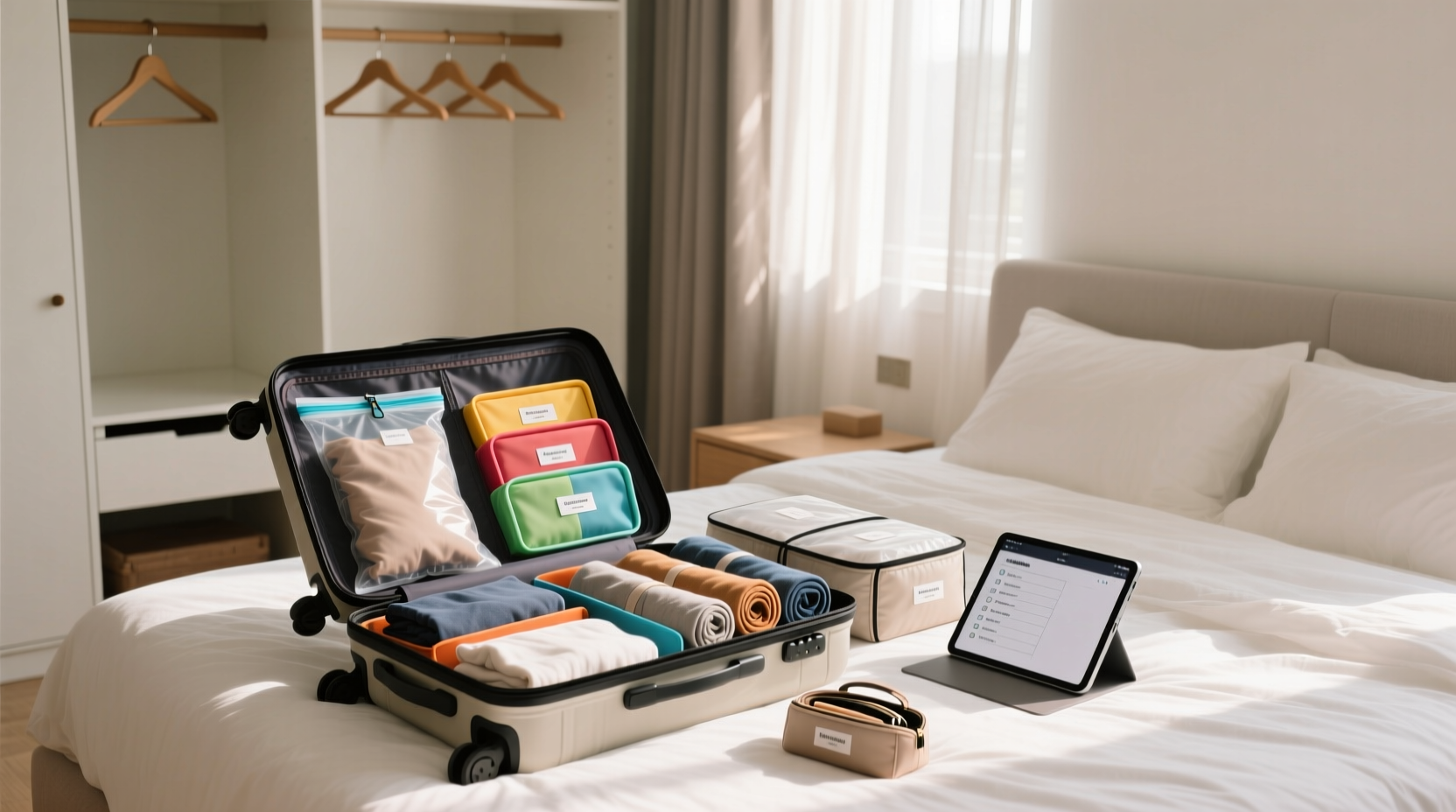
The foundation of effective packing starts with selecting the right luggage. For a weekend trip, a medium-sized carry-on suitcase or a versatile travel backpack is ideal. Look for features like internal compartments, compression straps, and easy-access side pockets. These design elements help maintain organization and make unpacking at your destination seamless.
Once you have your bag, decide on an internal layout. Many travelers benefit from using packing cubes—small fabric containers that separate clothing by category (e.g., tops, bottoms, undergarments). This method not only prevents items from shifting during transit but also makes it easier to locate what you need without emptying the entire bag.
Master the Art of Minimalist Packing
Weekend trips demand restraint. Limiting your wardrobe to mix-and-match pieces reduces both volume and decision fatigue. Aim for a capsule wardrobe: 3–4 tops, 2 bottoms, 1 lightweight jacket, and 1 pair of shoes. Choose neutral colors that coordinate easily, allowing multiple outfit combinations from just a few items.
Footwear takes up significant space, so select one versatile pair—comfortable enough for walking but presentable for dinner. If you must bring a second pair, opt for foldable flats or compact sneakers.
When it comes to undergarments and socks, pack only what you’ll use. A common rule is one set per day plus one extra. Consider quick-dry fabrics if laundry access is limited; they can be washed in a sink and ready by morning.
“Efficient packing isn’t about fitting more in—it’s about bringing less and enjoying more.” — Lena Patel, Travel Organizer & Author of *The Light Luggage Manifesto*
Optimize Space with Rolling, Folding, and Compression
How you arrange clothing inside your bag directly impacts capacity and wrinkle prevention. Different garments respond better to different methods:
- Roll soft items: T-shirts, pajamas, and knits roll tightly and save space while minimizing creases.
- Fold structured pieces: Button-down shirts, blazers, and dressier fabrics should be folded neatly, ideally with tissue paper between layers to prevent wrinkles.
- Use compression bags: For bulkier items like sweaters or jackets, vacuum-style or roll-top compression sacks remove excess air and shrink volume significantly.
Place heavier items at the bottom of the bag, close to the wheels (if using a suitcase), to maintain balance. Use shoes as storage units—stuff them with socks or small accessories to reclaim wasted space.
| Method | Best For | Space Saved | Wrinkle Risk |
|---|---|---|---|
| Rolling | T-shirts, jeans, underwear | High | Low |
| Folding | Dress shirts, pants, formal wear | Medium | Medium (unless layered) |
| Compression | Sweaters, jackets, puffy coats | Very High | Low |
| Bundle Wrapping | Delicate fabrics, suits | Low-Medium | Very Low |
Organize Toiletries and Electronics Strategically
Toiletries often become a cluttered afterthought. Use a clear, zippered toiletry bag with compartments to separate liquids from solids. Follow TSA guidelines: all liquids in containers of 3.4 oz (100 ml) or less, stored in a single quart-sized transparent bag. Group similar items—skincare together, dental care separate—to speed up security checks and daily use.
Transfer products into smaller reusable bottles instead of bringing full-size containers. Solid alternatives—like shampoo bars or toothpaste tablets—save space and eliminate liquid restrictions altogether.
For electronics, use a padded sleeve or dedicated tech organizer. Include only essentials: phone, charger, earbuds, and perhaps a power bank. Label cords with small tags or colored tape to distinguish them quickly. Keep all charging cables coiled and secured with rubber bands or Velcro ties.
Step-by-Step: Pre-Packing Timeline (72 Hours Before Departure)
- 72 hours before: Check weather forecast and finalize outfits. Lay them out on the bed.
- 48 hours before: Wash and dry all clothing. Replenish any toiletries running low.
- 24 hours before: Pack non-perishable items: clothes, shoes, electronics, toiletries.
- 12 hours before: Confirm travel documents, reservations, and check-in online. Charge all devices.
- Day of departure: Add perishables (medications, snacks), double-check room for forgotten items, and lock zippers with small luggage locks.
Real-World Example: A Stress-Free City Break
Sophie, a marketing consultant based in Chicago, had a recurring problem: she’d return from weekend city trips exhausted, not from the fun, but from managing her oversized roller bag through subway stations and hotel elevators. After adopting smart packing strategies, her experience transformed.
For a recent trip to Nashville, she packed only a 22-inch carry-on. She used three packing cubes: one for rolled casual tops and jeans, one for undergarments and swimwear, and a waterproof one for toiletries. Her single pair of ankle boots doubled as walking shoes and evening wear. She brought a wrinkle-resistant blazer that folded cleanly into the top compartment.
Thanks to pre-planning and compression, she avoided checked baggage fees, moved quickly through airports, and spent zero time refolding clothes upon arrival. “I didn’t miss a single thing,” she said. “And coming home, I had space for souvenirs—without upgrading my luggage.”
Essential Packing Checklist
Use this checklist to ensure nothing gets left behind:
- Travel documents (ID, tickets, reservations)
- Phone + charger + power bank
- Weather-appropriate clothing (3 tops, 2 bottoms, 1 jacket)
- Underwear and socks (one per day + one extra)
- Sleepwear and loungewear
- Toiletries (in travel-sized containers)
- Medications (in original packaging)
- One pair of comfortable shoes
- Optional: swimsuit, workout gear, reading material
- Small shopping bag for souvenirs or dirty laundry
Frequently Asked Questions
How do I avoid overpacking?
Stick to a strict limit: two outfits per day maximum. Ask yourself if you’d wear each item twice. If not, leave it behind. Remember, most destinations have laundry services or stores where you can replace basics if needed.
What should I do if my bag is too heavy?
Reassess your footwear first—shoes are often the heaviest items. Then remove duplicates or bulky layers. Consider shipping non-essential items ahead or buying toiletries locally. Aim to keep carry-ons under 22 lbs (10 kg) for comfort and airline compliance.
Can I pack efficiently without packing cubes?
Yes, though cubes enhance organization. Without them, use sealed plastic bags to group items (e.g., “tops,” “underwear”). Color-coded bags help identify contents quickly. Roll clothes tightly and place heavier items at the base to stabilize the load.
Final Thoughts: Pack Smart, Travel Lighter
Smart packing isn’t about perfection—it’s about intention. By choosing the right bag, limiting your selections, and organizing with purpose, you free yourself from logistical hassles and focus on what matters: the experience. Whether you’re hiking in the mountains or exploring a new city, traveling light enhances mobility, reduces costs, and brings peace of mind.




 浙公网安备
33010002000092号
浙公网安备
33010002000092号 浙B2-20120091-4
Comments
No comments yet. Why don't you start the discussion?