
For decades, the bathroom scale has been a fixture in homes worldwide—a daily ritual for many tracking weight loss or fitness progress. But as technology advances, a new contender has emerged: the smart scale. Unlike traditional scales that only measure total body weight, smart scales analyze body composition, offering insights into fat mass, muscle mass, hydration levels, and more. This shift from simple weight tracking to holistic health monitoring raises an important question: Can access to body composition data actually change your habits?
The answer is not just yes—it’s transformative. Understanding what your body is made of, rather than just how much it weighs, creates a deeper awareness that often leads to more sustainable, informed decisions about diet, exercise, and overall wellness.
What Sets Smart Scales Apart from Regular Scales?
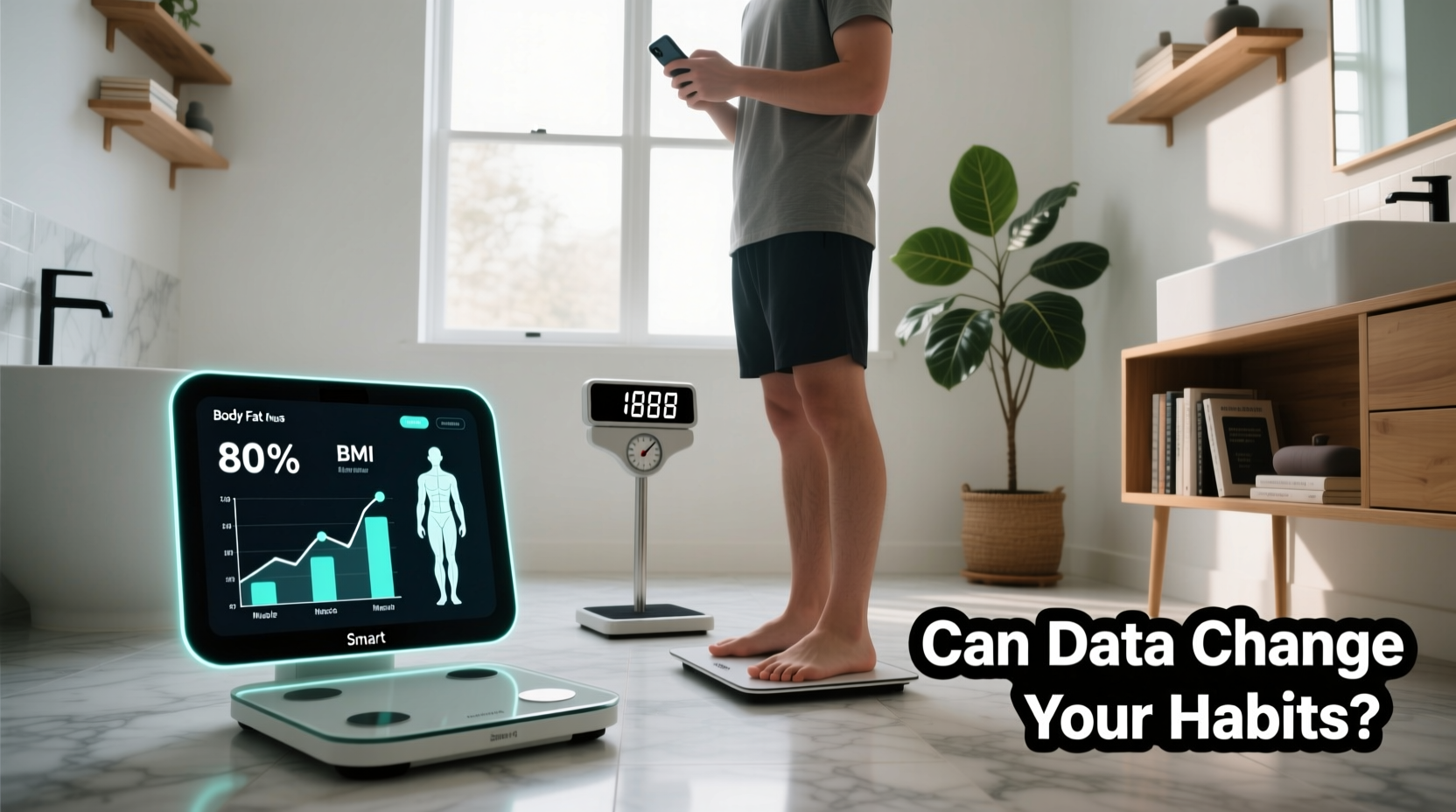
A regular scale measures one thing: total body weight in pounds or kilograms. It doesn’t differentiate between fat, muscle, water, or bone. If you gain muscle while losing fat, your weight might stay the same—or even increase—leading to confusion or discouragement.
Smart scales, on the other hand, use a technology called bioelectrical impedance analysis (BIA). A small, safe electrical signal passes through the body, measuring resistance. Since fat tissue conducts electricity differently than muscle or water, the scale calculates estimates for various body components. These metrics typically include:
- Body fat percentage
- Muscle mass
- Bone mass
- Body water percentage
- Visceral fat level
- Basal metabolic rate (BMR)
- BMI (Body Mass Index)
Data is then synced via Bluetooth or Wi-Fi to a smartphone app, where trends are visualized over time. This continuous feedback loop offers far more context than a single number on a display.
How Body Composition Data Influences Behavior
Numbers shape perception. When people rely solely on weight, they often equate progress with a lower number. This narrow focus can lead to unhealthy behaviors—extreme calorie restriction, over-exercising, or giving up entirely when the scale stalls.
Body composition data reframes success. Consider someone who starts strength training. Their weight may remain stable, but their body fat decreases and muscle mass increases. On a regular scale, this appears as no progress. On a smart scale, it's clear improvement.
This clarity fosters motivation. Seeing muscle growth or reduced visceral fat—even without weight loss—validates effort and encourages consistency. Over time, users begin to prioritize health markers over aesthetics alone.
“People who track body composition are more likely to adopt long-term lifestyle changes because they see tangible evidence of internal progress.” — Dr. Lena Patel, Clinical Nutritionist and Metabolic Health Specialist
Comparing Smart Scales and Regular Scales: A Practical Breakdown
| Feature | Smart Scale | Regular Scale |
|---|---|---|
| Measures Weight | Yes | Yes |
| Body Fat % | Yes | No |
| Muscle Mass | Yes | No |
| Hydration Level | Yes | No |
| Visceral Fat | Yes | No |
| App Integration | Yes | No |
| User Profiles | Multiple (3–8 users) | Typically one |
| Cost Range | $50–$200 | $15–$50 |
| Motivational Impact | High (contextual feedback) | Low (single metric) |
The table illustrates a fundamental difference: smart scales offer multidimensional insight, while regular scales deliver a one-dimensional output. The former supports informed decision-making; the latter often fuels emotional reactions.
Real Change Through Data: A Mini Case Study
Take the example of Marcus, a 38-year-old office worker who began his fitness journey weighing 210 lbs. He bought a basic scale and started tracking daily. After two weeks of strict dieting, he dropped to 205 lbs—progress, he thought. But energy levels plummeted, and workouts felt harder.
Discouraged, he purchased a smart scale. The results were revealing: his body fat had decreased slightly, but so had muscle mass. His body water was low, and his BMR had dropped—signs of underfueling. Armed with this data, Marcus adjusted his approach. He increased protein intake, added resistance training, and stopped obsessing over daily fluctuations.
Over the next three months, his weight fluctuated between 203–207 lbs, but body composition improved dramatically: body fat dropped from 28% to 23%, muscle mass increased by 4 lbs, and visceral fat declined to a healthy range. Marcus no longer feared the scale—he trusted it as a tool for insight.
His habits shifted permanently: meal planning became routine, weekend workouts replaced sedentary habits, and he focused on how he felt, not just how he looked.
Step-by-Step Guide to Using Body Composition Data Effectively
Access to data is only valuable if used correctly. Here’s how to turn smart scale insights into lasting habit change:
- Establish a Baseline: Take your first reading under consistent conditions (morning, barefoot, post-bathroom). Record all metrics, not just weight.
- Set Non-Scale Goals: Focus on reducing body fat percentage or increasing muscle mass instead of chasing a number.
- Track Weekly Trends: Avoid daily obsession. Review averages over 7–14 days to identify real progress.
- Align Habits with Metrics: If muscle mass is low, prioritize strength training and protein. If body water is inconsistent, assess hydration habits.
- Adjust Based on Feedback: If visceral fat remains high despite weight loss, consider dietary changes like reducing processed sugars.
- Combine with Other Data: Pair scale readings with energy levels, sleep quality, and workout performance for a full picture.
Common Misconceptions About Smart Scales
Despite their advantages, smart scales aren’t perfect. Understanding limitations prevents misinterpretation:
- They’re not medical devices: BIA estimates are useful for trends, not absolute precision. DEXA scans remain the gold standard.
- Hydration affects accuracy: Dehydration inflates body fat readings. Consistency matters more than isolated numbers.
- Not ideal for everyone: People with pacemakers should avoid them due to electrical current. Pregnant women may get unreliable readings.
- Algorithm bias exists: Some models perform less accurately for older adults or those with very high/low body fat.
The key is using smart scales as part of a broader strategy—not as a definitive verdict on health.
Actionable Checklist: Optimizing Your Scale Use
To get the most out of your scale—whether smart or regular—follow this checklist:
- ✅ Weigh at the same time each day (morning is best)
- ✅ Use the same bathroom routine beforehand
- ✅ Stand barefoot with dry feet on the scale
- ✅ Sync data to an app or journal weekly
- ✅ Focus on trends, not daily changes
- ✅ Combine scale data with how clothes fit and energy levels
- ✅ Reassess goals every 4–6 weeks based on progress
Frequently Asked Questions
Can a smart scale help me lose fat more effectively?
Yes. By showing your body fat percentage and muscle mass, a smart scale helps you determine whether weight loss comes from fat or muscle. This allows you to adjust nutrition and exercise to preserve lean mass while targeting fat stores—leading to healthier, more sustainable outcomes.
Is a smart scale worth the extra cost?
For most people focused on fitness or long-term health, yes. The added insights promote better decision-making. If you're only checking weight occasionally, a regular scale may suffice. But if you're serious about body recomposition, the investment pays off in motivation and clarity.
Why does my body fat percentage change daily?
Daily fluctuations are normal and usually due to hydration, food intake, or hormonal cycles. Instead of reacting to single readings, look at weekly averages. Consistent patterns matter more than day-to-day shifts.
Conclusion: From Numbers to Meaningful Change
The evolution from regular to smart scales represents more than a tech upgrade—it reflects a shift in how we understand health. Weight alone tells a partial story. Body composition reveals the full narrative: how much fat you carry, how strong your metabolism is, and whether your efforts are building a healthier body from the inside out.
And when people see that story unfold in real time, habits change. They eat better not to shrink, but to fuel. They lift weights not to burn calories, but to grow stronger. They stop fearing plateaus and start celebrating non-scale victories.
Data doesn’t motivate by itself. But when it’s relevant, consistent, and tied to personal goals, it becomes a catalyst for lasting transformation. If you’ve been stuck in the cycle of stepping on a scale and feeling discouraged, it might be time to upgrade—not just your device, but your mindset.




 浙公网安备
33010002000092号
浙公网安备
33010002000092号 浙B2-20120091-4
Comments
No comments yet. Why don't you start the discussion?