
Chili is more than a dish—it’s an expression of balance, tradition, and technique. At the heart of every great pot lies a well-curated spice profile. Yet even seasoned cooks often overlook a critical factor: how spices are stored and used over time. Ground too far in advance, exposed to heat or light, or improperly layered during cooking, spices lose potency and complexity, resulting in flat, one-dimensional chili. Understanding how to store and deploy spices strategically transforms an average stew into a deeply aromatic, layered, and consistently excellent meal. This guide reveals the science-backed methods professional kitchens use to maintain spice integrity, along with practical strategies for home cooks to elevate their chili game—batch after batch.
Definition & Overview
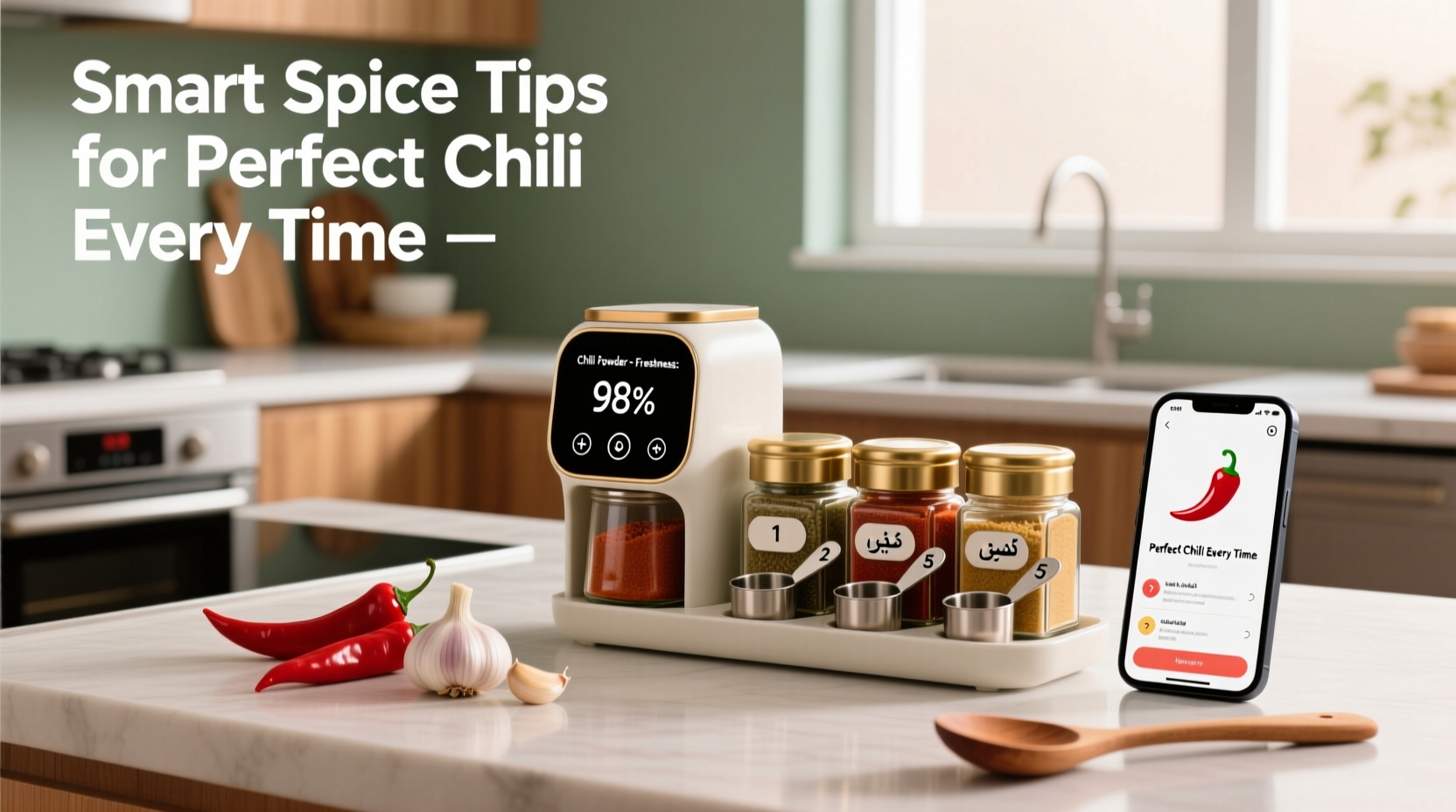
Spices are concentrated plant-derived seasonings—typically from seeds, bark, roots, or fruits—that provide flavor, color, and aroma to food. In chili, spices serve as both foundation and accent, shaping its character from the first sauté to the final simmer. Common spices in chili include chili powder (a blend itself), cumin, smoked paprika, oregano, garlic powder, and cayenne. Unlike herbs, which come from leafy parts of plants and are often used fresh, spices are almost always dried and benefit from thermal activation during cooking.
The origin of spicing chili traces back to 19th-century Texas, where cowboys combined beef, native chiles, and available seasonings into portable, hearty meals. Over time, regional variations introduced new spices—from New Mexico’s earthy ancho to Cincinnati’s warm cinnamon notes. Today, chili spans sweet, smoky, fiery, and tangy profiles, all governed by how spices are selected, preserved, and applied.
Key Characteristics of Essential Chili Spices
Each spice contributes distinct sensory qualities. Knowing these helps in balancing intensity and avoiding overpowering flavors. Below is a breakdown of core chili spices and their defining traits:
| Spice | Flavor Profile | Aroma | Heat Level (Scoville) | Culinary Function | Shelf Life (Properly Stored) |
|---|---|---|---|---|---|
| Chili Powder | Earthy, mildly sweet, slightly bitter | Dried chile, toasted cumin | 500–2,000 | Base seasoning, color contributor | 2–3 years |
| Ground Cumin | Warm, nutty, slightly peppery | Toasted sesame, dry earth | 0 | Depth enhancer, backbone of savory note | 2 years |
| Smoked Paprika | Rich, smoky, subtly sweet | Wood-fired, campfire-like | 0–2,000 (varies by type) | Smoke simulation, color boost | 1.5–2 years |
| Oregano (Mexican preferred) | Pungent, camphorous, slightly minty | Resinous, herbal | 0 | Herbal lift, cuts through richness | 2 years |
| Garlic Powder | Savory, umami-rich, pungent when heated | Roasted garlic | 0 | Background savoriness, Maillard catalyst | 2–3 years |
| Cayenne Pepper | Sharp, bright, clean heat | Pungent, slightly floral | 30,000–50,000 | Heat modulation, finish accent | 2 years |
These characteristics are not static. Heat, light, oxygen, and moisture degrade volatile oils—the very compounds responsible for aroma and taste. Once diminished, no amount of extra scooping can restore lost nuance.
Practical Usage: How to Use Spices for Maximum Impact in Chili
Even the freshest spices fail if used incorrectly. Timing, temperature, and combination matter as much as quality.
Bloom Spices in Fat
One of the most transformative techniques in chili-making is blooming—or toasting—spices in oil or rendered fat before adding liquids. This process dissolves fat-soluble flavor compounds and intensifies aroma. To bloom properly:
- Sauté onions, garlic, and meat until browned.
- Push solids aside; add 1–2 tablespoons of neutral oil or bacon fat to the center of the pot.
- Add ground spices (cumin, chili powder, paprika) and stir constantly for 30–60 seconds until fragrant but not smoking.
- Immediately incorporate into the rest of the mixture to stop cooking.
This brief exposure to heat unlocks deeper layers, turning raw, dusty notes into rounded, complex warmth.
Layer Dried and Fresh Elements
Use dried spices for structure and fresh aromatics for brightness. For example, pair ground cumin with freshly minced garlic, or dried oregano with a splash of lime juice at the end. This creates dimensionality—think of dried spices as the canvas and fresh elements as highlights.
Balance Heat with Sweetness and Acid
Heat from cayenne or hot paprika should never dominate. Counterbalance with natural sweetness (roasted bell peppers, a pinch of brown sugar) and acidity (tomato paste, vinegar, or citrus). A well-balanced chili uses heat to enhance, not overwhelm.
Use Spices in Stages
Not all spices should go in at once. Consider this sequence:
- Early stage: Bloom cumin, chili powder, paprika for base flavor.
- Middle stage: Add oregano and garlic powder with tomatoes.
- Finish: Stir in a pinch of cayenne or smoked paprika just before serving to refresh aroma.
Pro Tip: Keep a small portion of bloomed spice-oil mixture aside. Swirl it into individual bowls before serving to amplify fragrance and create a restaurant-style finish.
Variants & Types of Key Spices
Many \"spices\" used in chili are actually blends or have multiple forms. Choosing the right variant affects authenticity and flavor precision.
Chili Powder vs. Chile Powders
\"Chili powder\" in U.S. supermarkets is typically a pre-mixed blend containing ground chiles, cumin, garlic powder, and salt. True **chile powders** (e.g., ancho, guajillo, pasilla) are single-origin, made from dried roasted peppers. For superior control, use individual chile powders instead of commercial blends.
- Ancho (dried poblano): Fruity, raisin-like, mild heat. Ideal for depth without burn.
- Guajillo: Tangy, berry-like, medium heat. Adds brightness.
- Chipotle: Smoky, spicy, leathery. Use sparingly—dominant flavor.
Toast whole dried chiles lightly in a dry skillet, remove stems and seeds, then grind in a spice grinder. Store in airtight jars.
Cumin: Whole vs. Ground
Whole cumin seeds retain essential oils far longer than ground. Toast them lightly in a dry pan, then grind with a mortar and pestle or electric grinder. The difference in aroma is immediate: brighter, more citrusy, and less musty.
Paprika: Sweet, Hot, and Smoked
Not all paprika is equal:
- Sweet (Hungarian): Mild, red-pepper-forward, no heat.
- Hot (Erős Pista): Spicy kick, still sweet-bodied.
- Smoked (Pimentón de la Vera): Made over oak fires—comes in sweet, medium, and hot varieties. Spanish smoked paprika is essential for authentic smokiness without liquid smoke.
Oregano: Mexican vs. Mediterranean
Mexican oregano (Lippia graveolens) grows wild in arid regions and has a sharper, more citrusy, and slightly medicinal profile compared to the sweeter, milder Greek or Italian varieties. It stands up better in long simmers and complements chile-based dishes more authentically.
| Type | Best Used For | When to Substitute |
|---|---|---|
| Single-Origin Chile Powders | Authentic regional chili, fine-tuned heat | Instead of generic chili powder |
| Whole Cumin Seeds | Freshly ground spice, maximum aroma | When depth matters more than convenience |
| Spanish Smoked Paprika | Natural smokiness, color stability | Never use in place of liquid smoke |
| Mexican Oregano | Texas, New Mexico, or Mexican-style chili | If unavailable, use half Mediterranean oregano + pinch of marjoram |
Comparison with Similar Ingredients
Confusion between ingredients leads to inconsistent results. Clarifying distinctions ensures proper application.
Chili Powder vs. Cayenne Pepper
- Chili Powder: Blend of mild-to-medium chiles and seasonings; adds color and foundational flavor.
- Cayenne: Pure ground Capsicum frutescens; used strictly for heat. Not a substitute for chili powder.
Smoked Paprika vs. Liquid Smoke
- Smoked Paprika: Natural wood-smoked pepper; adds flavor, color, and subtle sweetness.
- Liquid Smoke: Condensed smoke vapor in water; potent, artificial-tasting if overused. Lacks the complexity of real smoke.
\"I’d rather under-season than mask poor technique with liquid smoke. Real flavor comes from real process.\" — Chef Elena Ruiz, Central Texas Smokehouse
Ground Cumin vs. Coriander
- Cumin: Earthy, warm, slightly bitter. Foundational in chili.
- Coriander: Citrusy, sweet, floral. More common in curries or rubs. Can confuse the palate in chili if mistaken for cumin.
Practical Tips & FAQs
How long do spices really last?
Whole spices last 3–4 years; ground spices 1–2 years. After that, they don’t spoil but lose volatile oils, diminishing flavor. Label containers with purchase or grind dates.
What’s the best way to store spices?
Store in airtight glass or metal containers away from heat, light, and moisture. Avoid placing near the stove, oven, or dishwasher. Freezing whole spices (like chiles or cumin seeds) extends life by up to 50%, but allow to reach room temperature before grinding to prevent condensation.
Can I substitute fresh chiles for dried spices?
Yes, but adjust technique. Fresh chiles (jalapeño, serrano) add vegetal brightness and moisture. Roast and peel them first to deepen flavor. Dried chiles offer concentrated, shelf-stable heat and body. They’re not interchangeable drop-for-drop—use fresh for top notes, dried for foundation.
Should I toast every time?
For chili, yes. Blooming is non-negotiable for flavor development. Even if using pre-ground spices, a 30-second sizzle in fat makes a measurable difference.
How much spice is too much?
Start with conservative amounts: 1–2 teaspoons chili powder, 1 tsp cumin, ½ tsp smoked paprika per pound of meat. Taste after 20 minutes of simmering—flavors concentrate over time. You can add more, but you can’t remove excess.
Are organic or imported spices worth it?
For key players like cumin and smoked paprika, yes. Mexican cumin often has higher essential oil content than mass-market alternatives. Spanish smoked paprika from La Vera DOP is regulated for smoking duration and wood type. These differences manifest in the bowl.
Storage Checklist:
- Use opaque, airtight containers
- Label with date and source
- Store in a cool, dark cupboard (not above the stove)
- Grind whole spices in small batches
- Keep dried chiles in the freezer for long-term use
Case Study: The Restaurant-Grade Batch
A high-volume chili kitchen in Denver prepares 100 quarts weekly. Their consistency hinges on a strict spice protocol:
- All whole spices (cumin, coriander, chiles) are purchased quarterly and frozen immediately.
- Spices are ground in-house every Monday morning.
- Each batch begins with blooming in rendered beef tallow.
- A \"finish blend\" of smoked paprika and oregano is added in the last 10 minutes.
Result? A chili that tastes identical week after week, praised for its aromatic complexity and balanced heat.
Summary & Key Takeaways
Perfect chili relies not just on recipe, but on spice stewardship. Flavor fades when spices are poorly stored or misused. To ensure excellence every time:
- Store spices in airtight, dark containers away from heat and moisture.
- Use whole spices when possible and grind them fresh.
- Bloom ground spices in fat to activate flavor compounds.
- Layer spices throughout cooking—not just at the beginning.
- Choose authentic variants: Spanish smoked paprika, Mexican oregano, single-origin chile powders.
- Avoid liquid smoke; rely on real smoked ingredients.
- Label and rotate your stock—no spice should linger past two years (ground) or four (whole).
Great chili is repeatable, not accidental. By treating spices as living ingredients—with finite peak performance—you gain control over flavor, depth, and consistency. The next time you build a batch, start not with the meat or beans, but with your spice drawer. Audit it. Refresh it. Respect it. The difference will be undeniable.
Ready to upgrade your chili? Conduct a spice cabinet audit this week: check dates, smell each jar, and replace anything faint or dusty. Your next pot will thank you.




 浙公网安备
33010002000092号
浙公网安备
33010002000092号 浙B2-20120091-4
Comments
No comments yet. Why don't you start the discussion?