
Purchasing tablets in bulk is a common need for schools, businesses, nonprofits, and event organizers. Whether equipping a classroom, outfitting a sales team, or distributing devices at a conference, buying multiple units can be expensive—if not approached strategically. However, with the right planning and insights, organizations can significantly reduce costs while ensuring reliability, warranty coverage, and long-term usability. The key lies in moving beyond simple price comparisons and adopting a holistic procurement strategy.
Negotiate Directly with Manufacturers or Authorized Distributors
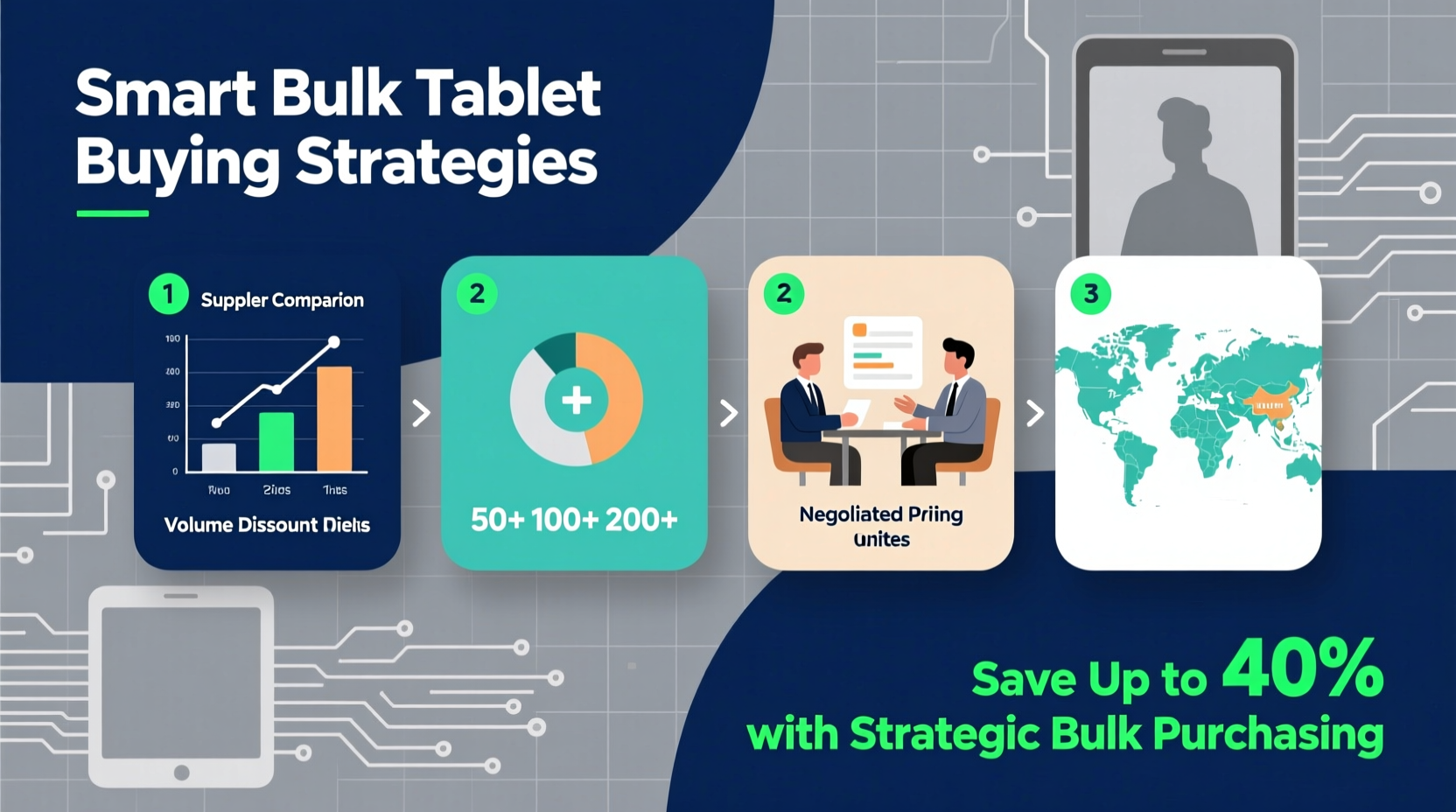
One of the most effective ways to cut costs when buying tablets in bulk is bypassing retail markup by negotiating directly with manufacturers or authorized distributors. Companies like Apple, Samsung, Lenovo, and Microsoft offer volume purchase programs (VPPs) that provide discounts, flexible payment terms, and customized device configurations.
For example, Apple’s Business Manager and Samsung’s Business Portal allow organizations to place large orders, pre-install apps, and manage device deployment remotely—all while accessing exclusive pricing unavailable on consumer websites.
Choose the Right Model: Balance Cost and Longevity
Not all tablets are created equal. While budget models may seem attractive upfront, they often lack durability, software update support, or enterprise-grade security features. A smarter approach is selecting mid-tier models designed for commercial use, which typically offer better value over time.
Consider factors such as processor performance, RAM, storage expandability, battery life, and operating system longevity. For instance, a tablet receiving OS updates for five years will likely outlast three cheaper models replaced annually.
| Device Tier | Avg. Price (Unit) | Lifespan | Best For |
|---|---|---|---|
| Budget Consumer | $150–$250 | 1–2 years | Short-term projects, casual use |
| Mid-Range Business | $300–$500 | 3–5 years | Schools, field teams, clinics |
| Premium Enterprise | $600+ | 4–6 years | Critical operations, secure environments |
“Total cost of ownership matters more than sticker price. A $400 tablet used for four years costs less per year than a $200 model replaced every 18 months.” — Daniel Reeves, IT Procurement Consultant
Step-by-Step Guide to Buying Tablets in Bulk
Follow this structured process to ensure you get the best deal without compromising on functionality or support:
- Define Your Use Case: Determine whether tablets are for data entry, presentations, training, or customer interaction. This shapes your specs.
- Set a Realistic Budget: Include accessories, software licenses, insurance, and potential repair costs.
- Research Models: Shortlist 2–3 options based on durability, compatibility, and vendor reputation.
- Contact Vendors: Request formal quotes from at least two authorized suppliers, specifying quantity and desired configuration.
- Negotiate Terms: Ask about volume discounts, extended warranties, free shipping, or bundled services like device imaging.
- Test Sample Units: Order one or two units to evaluate performance, ergonomics, and software integration before full rollout.
- Finalize Purchase Agreement: Ensure return policies, delivery timelines, and technical support are clearly documented.
Leverage Educational and Nonprofit Discounts
If your organization qualifies, educational and nonprofit pricing can deliver substantial savings. Apple and Microsoft, for example, offer special pricing for accredited institutions and registered charities. These programs often include additional benefits such as discounted accessories, free training resources, or cloud service credits.
To qualify, you’ll typically need to verify status through official documentation. Some vendors partner with verification platforms like SheerID to streamline eligibility checks.
Mini Case Study: Rural School District Upscales Learning
The Pine Ridge Unified School District needed 200 tablets for hybrid learning but had a tight budget. Instead of opting for the cheapest available model, the IT director researched education-focused devices with multi-year support. They applied for Apple’s education pricing and negotiated an additional 7% discount through a regional distributor by bundling protective cases and screen protectors.
They also secured a three-year accidental damage protection plan at a reduced group rate. By investing slightly more upfront in iPad Air units rather than entry-level tablets, the district extended device lifespan and reduced replacement cycles. Over four years, they saved nearly $18,000 compared to projected costs using lower-end alternatives.
Bundle Accessories and Services Strategically
Buying tablets in bulk isn't just about the devices—it's about total deployment. Smart buyers bundle accessories like cases, styluses, charging carts, and management software to unlock package deals. Many vendors offer “kit” pricing that reduces per-unit costs when purchasing complete setups.
Additionally, consider mobile device management (MDM) solutions early. Platforms like Jamf (for Apple), Hexnode, or Microsoft Intune allow remote configuration, app distribution, and security enforcement across all devices—critical for maintaining consistency and control.
Checklist: Before Finalizing Your Bulk Tablet Purchase
- ✅ Verified organizational eligibility for education or nonprofit discounts
- ✅ Compared at least three vendor quotes (including direct manufacturer options)
- ✅ Tested sample units for usability and software compatibility
- ✅ Confirmed warranty length and onsite repair availability
- ✅ Included MDM licensing or enrollment in your budget
- ✅ Negotiated shipping terms and delivery timeline
- ✅ Secured written agreement on return policy for defective units
Avoid These Common Pitfalls
Even experienced purchasers make mistakes when buying tablets in bulk. Watch out for these costly errors:
- Choosing unverified third-party sellers: Risk receiving refurbished or gray-market devices without valid warranties.
- Ignoring software licensing costs: Some productivity suites or MDM tools charge per device—factor this in early.
- Overlooking local regulations: Import duties, taxes, or data privacy laws may affect cross-border purchases.
- Underestimating training needs: Staff and users may require onboarding, especially with new operating systems.
Frequently Asked Questions
Can I return unused tablets if my needs change?
Return policies vary widely. Most authorized vendors allow returns within 30 days for undamaged, unregistered units. Custom-configured or bulk orders may be non-returnable unless defective. Always confirm terms before purchase.
Are refurbished tablets a good option for bulk buying?
Certified refurbished tablets from manufacturers or reputable resellers can offer 20–40% savings. However, they often come with shorter warranties and limited upgrade paths. Best suited for short-term deployments or secondary roles.
How do I ensure all tablets are set up consistently?
Use a Mobile Device Management (MDM) platform to automate setup, enforce security policies, install apps, and lock down settings. Many vendors offer free initial configuration services for large orders.
Final Thoughts: Plan Ahead, Save More
Buying tablets in bulk doesn’t have to mean overspending. By focusing on total cost of ownership, leveraging institutional discounts, negotiating directly with suppliers, and planning for long-term use, organizations can achieve significant savings without compromising quality. The real advantage comes not from chasing the lowest price, but from making informed, strategic decisions that align with operational goals.




 浙公网安备
33010002000092号
浙公网安备
33010002000092号 浙B2-20120091-4
Comments
No comments yet. Why don't you start the discussion?