
Americans throw away nearly 40% of their food each year, much of it due to poor planning, impulse buys, and inefficient shopping habits. This not only strains household budgets but also contributes significantly to environmental degradation. The average family of four loses over $1,500 annually on wasted food. Fortunately, small shifts in how we plan, shop, and store groceries can dramatically reduce waste while improving meal quality and saving time. By adopting smarter food shopping practices, you gain control over your kitchen, your budget, and your impact on the planet.
Plan Meals Before You Shop
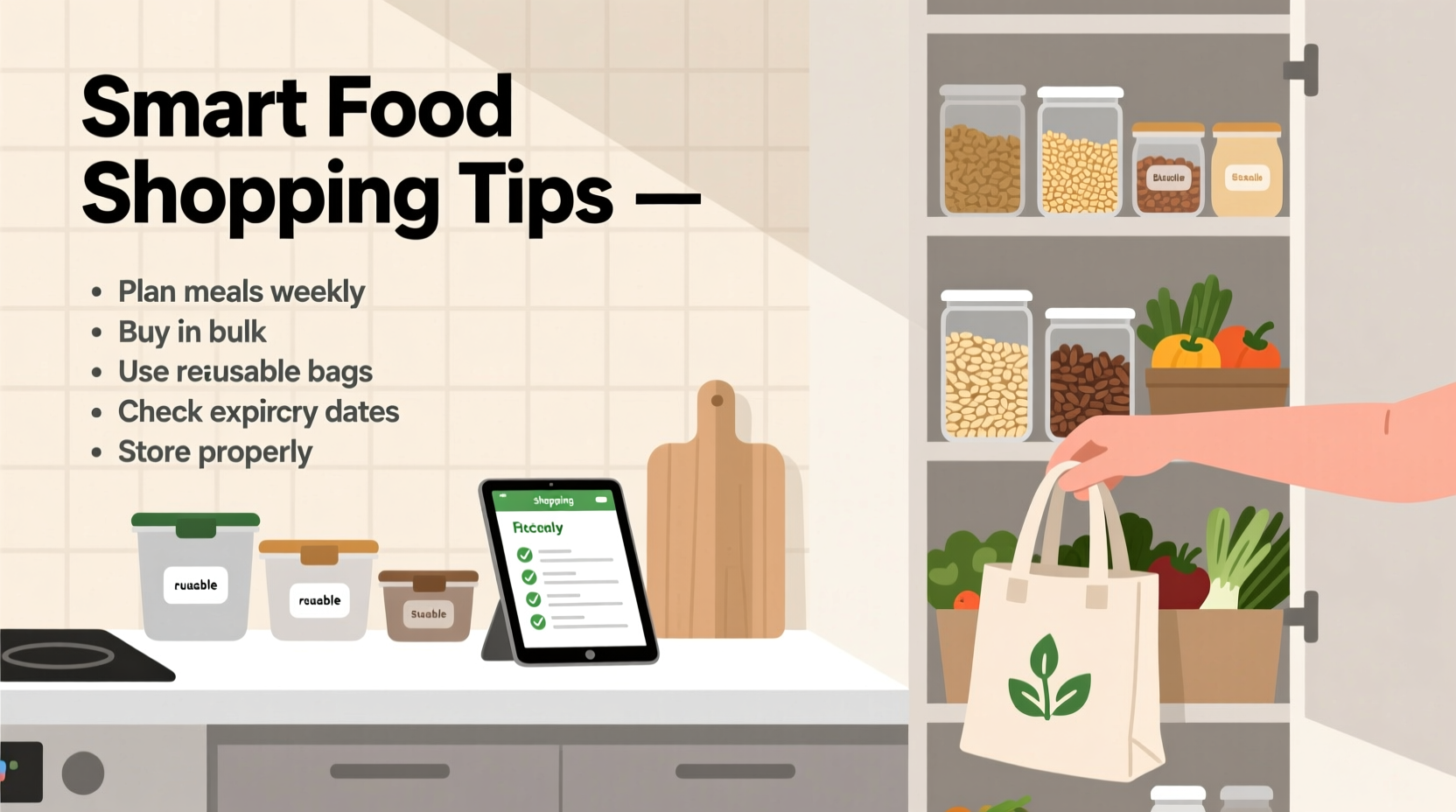
One of the most effective ways to shop efficiently is to plan meals in advance. Without a plan, grocery trips become reactive and prone to overspending or redundant purchases. Start by reviewing what’s already in your pantry, fridge, and freezer. Then, create a weekly menu based on ingredients you already have, filling gaps with targeted additions.
Meal planning doesn’t require elaborate recipes or rigid schedules. A simple framework works best: list breakfasts, lunches, dinners, and snacks for the week. Focus on meals that share ingredients—using a bunch of cilantro in both tacos and a salad, for example—to minimize leftovers and spoilage.
Build a Realistic Grocery List
Your shopping list should be directly tied to your meal plan. Avoid generic lists like “vegetables” or “snacks.” Instead, specify quantities and uses: “1 red bell pepper (for stir-fry)” or “Greek yogurt (3 servings for breakfast).” This precision reduces guesswork and prevents overbuying.
Use a digital list app synced across devices so both partners or roommates can contribute. Check off items as you add them to the cart to avoid duplicates at checkout.
Shop With Strategy, Not Emotion
Supermarkets are designed to encourage impulse spending. Endcaps display flashy deals, bakery smells waft through aisles, and tempting snacks line the checkout lanes. To resist these cues, shop with intention.
Stick to the perimeter of the store where fresh produce, dairy, and proteins are typically located. Venture into center aisles only when necessary and only for specific list items. Avoid shopping when hungry—a well-documented trigger for unnecessary purchases.
“Efficient shoppers don’t wander—they navigate. They enter with a plan and exit with purpose.” — Dr. Lena Patel, Behavioral Nutritionist
Time Your Shopping Right
Timing affects both product quality and pricing. Mid-week visits (Tuesday–Thursday) often yield the freshest restocks, especially for perishables. Late afternoons or evenings bring markdowns on meat, bread, and prepared foods nearing their sell-by date. These can be frozen or used immediately, offering significant savings.
For online grocery orders, schedule pickups during off-peak hours to ensure better selection and fewer substitutions.
Smart Storage = Less Spoilage
Even the best shopping habits fail if food isn’t stored properly. Different fruits and vegetables have distinct needs. For example, tomatoes lose flavor in the refrigerator, while berries last longer when chilled in breathable containers.
| Food Item | Best Storage Method | Common Mistake |
|---|---|---|
| Herbs (cilantro, parsley) | Trim stems, place in water jar, cover loosely with bag | Bundling in original plastic |
| Onions & Potatoes | Cool, dark, dry place—separately | Storing together (they spoil faster) |
| Leafy Greens | In airtight container with dry paper towel | Leaving in wet packaging |
| Bread | Freeze if not eaten in 3 days | Leaving on counter in humid climates |
Understanding ethylene gas production is also crucial. Apples, bananas, and avocados emit this ripening agent. Keep them away from ethylene-sensitive produce like lettuce and carrots to prevent premature spoilage.
Adopt a First-In, First-Out System
Rotate your pantry and fridge using the FIFO method: older items go in front, new ones behind. This ensures you use what you already have before it expires. Label containers with purchase or opening dates to track freshness.
This system works especially well for canned goods, grains, and condiments. At least once a month, conduct a “use-it-up” scan: identify aging items and build a meal around them. That half-can of lentils? Turn it into a soup. Wilted spinach? Blend it into a smoothie or omelet.
Mini Case Study: The Johnson Family’s Waste Reduction Journey
The Johnsons, a family of five in Portland, were spending $220 weekly on groceries but throwing away nearly $75 worth of food monthly. After tracking their waste for two weeks, they discovered patterns: unused produce, forgotten leftovers, and bulk-packaged items going stale.
They implemented three changes: Sunday meal planning, a shared digital shopping list, and a labeled fridge organizer. Within a month, their waste dropped by 60%. They now save $180 per month and spend less time deciding what to cook. “We eat better food, stress less, and feel good about not wasting,” says Sarah Johnson.
Step-by-Step Guide to Efficient Weekly Shopping
- Take inventory: Check fridge, freezer, and pantry. Note what needs to be used.
- Plan 4–5 core meals: Build around seasonal or discounted items and existing ingredients.
- Create a categorized list: Group items by produce, dairy, pantry, etc., to match store layout.
- Set a budget: Assign limits per category to avoid overspending.
- Shop mid-week, late afternoon: Target restocked shelves and markdowns.
- Inspect freshness: Check expiration dates, package integrity, and produce quality.
- Store immediately: Refrigerate perishables within two hours; organize by shelf life.
- Review and adjust: At week’s end, note what worked and what didn’t for next week’s plan.
Checklist: Your Waste-Reducing Shopping Routine
- ✅ Conduct a kitchen inventory before shopping
- ✅ Plan 5–7 meals based on what you already own
- ✅ Write a detailed, categorized shopping list
- ✅ Bring reusable bags and containers
- ✅ Stick to the list—avoid impulse buys
- ✅ Choose loose produce instead of pre-packaged when possible
- ✅ Check expiration dates, especially on dairy and meat
- ✅ Organize groceries by use-by date when unpacking
- ✅ Schedule one “clean-out-the-fridge” meal per week
Frequently Asked Questions
How can I tell if food is still safe to eat?
Sell-by and use-by dates are guidelines, not hard rules. Trust your senses: smell, texture, and appearance matter more. Yogurt may last two weeks past its date if unopened and refrigerated. When in doubt, freeze it or compost it—don’t risk illness.
Is buying in bulk always a good idea?
Only if you’ll use it. Bulk buying makes sense for non-perishables like rice, beans, or frozen items. But for fresh produce or meat, assess your consumption rate first. A 10-pound bag of potatoes is a bargain only if you’ll eat them all before they sprout.
What should I do with food I know I won’t eat?
If it’s still safe, donate it to a local food pantry. If not, compost it. Many communities offer curbside compost pickup. Freezing surplus herbs in oil or making vegetable stock from scraps also extends usability.
Conclusion: Small Habits, Big Impact
Efficient food shopping isn’t about perfection—it’s about progress. Every planned meal, every properly stored tomato, every avoided impulse buy adds up. You’ll spend less, eat better, and contribute to a more sustainable food system. These strategies aren’t temporary fixes; they’re lifelong skills that grow easier with practice.




 浙公网安备
33010002000092号
浙公网安备
33010002000092号 浙B2-20120091-4
Comments
No comments yet. Why don't you start the discussion?