
Carrying a small crossbody bag is a stylish and practical choice for daily errands, city walks, or evening outings. But with limited space, staying organized can quickly become a challenge. Without a clear system, you risk overstuffing, misplacing items, or even abandoning the bag altogether due to frustration. The key isn’t carrying less—it’s carrying smarter. By applying thoughtful organization techniques, you can turn your compact crossbody into a highly functional personal command center.
Choose the Right Bag for Your Lifestyle
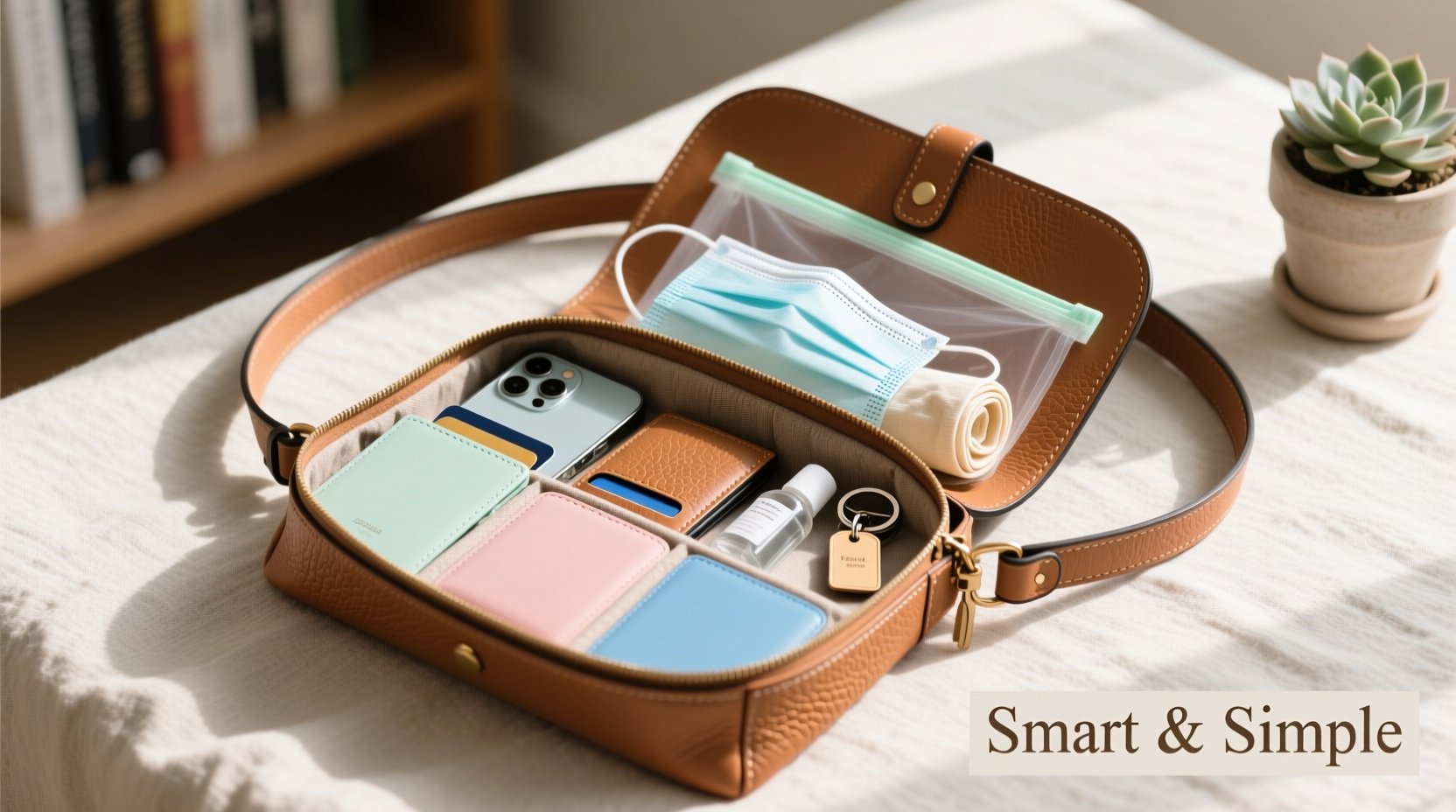
Before diving into organization, ensure your crossbody bag aligns with your daily needs. A well-designed bag with intentional compartments sets the foundation for efficient storage. Look for features like zippered main sections, interior slip pockets, and exterior quick-access slots. These built-in divisions help separate categories of items before you even start packing.
Consider your routine: Do you commute by bike and need easy access to your phone? Are you often on calls and require a designated spot for earbuds? Matching bag structure to lifestyle prevents constant reorganization and reduces decision fatigue throughout the day.
Apply the Capsule Essentials Method
Think of your crossbody bag like a capsule wardrobe—curated, minimal, and purposeful. Identify the core items you use daily and treat them as non-negotiables. Then, rotate supplementary items based on context (e.g., gym day vs. dinner out).
A standard capsule might include:
- Phone
- Wallet or cardholder
- Keys
- Lip balm or lipstick
- Hand sanitizer wipe
- Folded tissue or mini tissue pack
This base allows room for one or two situational additions—like sunglasses, a small notebook, or medication—without compromising comfort or accessibility.
Real-Life Example: Maria’s Workday Commute
Maria lives in downtown Seattle and walks to work daily. Her small leather crossbody used to feel chaotic—keys buried under receipts, phone lost in the depths. After adopting the capsule method, she now carries only her phone, a slim cardholder, keys on a mini carabiner, and a foldable umbrella clipped to the strap. She keeps a second, slightly larger bag at her desk for extras. This shift reduced her morning stress and eliminated the habit of dumping and repacking every night.
Create Zones Using Mini Organizers
Even the smallest bags benefit from internal zoning. Use soft pouches, snap-tab dividers, or silicone sleeves to create dedicated areas. For example:
- Front pocket: Daily-use items like transit cards or lip products
- Main compartment: Phone and wallet
- Side or back slot: Keys or folded cash
Mini organizers don’t have to be store-bought. Repurpose small cosmetic bags, coin purses, or even reusable snack bags to segment contents. The goal is tactile separation—so you can reach in and instantly identify what you’re grabbing.
| Item | Recommended Organizer Type | Why It Works |
|---|---|---|
| Phone | Open-top sleeve or padded pocket | Quick access; protects screen from scratches |
| Cards & ID | RFID-blocking cardholder or money clip | Reduces bulk; enhances security |
| Keys | Mini carabiner or elastic loop | Prevents jingling; easy to hook and unhook |
| Medication | Small silicone pill case | Compact, spill-proof, and discreet |
“Organization starts with intention. When every item has a home, retrieval becomes automatic.” — Lena Torres, Productivity Coach and Urban Lifestyle Consultant
Follow a 5-Step Evening Reset Routine
To maintain consistency, build a short reset ritual into your nightly routine. This prevents accumulation of unnecessary clutter and ensures you begin each day prepared.
- Empty completely: Remove all contents and place them on a clean surface.
- Sort and assess: Discard expired coupons, used tissues, or random receipts.
- Recharge: Plug in your phone or earbuds if needed; don’t carry dead devices.
- Restock essentials: Replace used items like sanitizer wipes or tissues.
- Repack by zone: Return each item to its designated spot using your organizer system.
This five-minute process takes less time than scrolling through social media and pays dividends in daily efficiency. Over time, it becomes second nature—like brushing your teeth.
Smart Swaps to Reduce Bulk
Every millimeter counts in a small crossbody. Audit your current items and consider lightweight alternatives that deliver the same function without the footprint.
- Swap: Full-size wallet → minimalist cardholder or bifold with 4–6 slots
- Swap: House keys + car key → consolidated key fob or smart lock keychain
- Swap: Spray perfume → rollerball travel size
- Swap: Paper notebook → voice memo app or micro journal (A7 size)
- Swap: Liquid hand sanitizer → alcohol-infused wipes or gel in a 10ml bottle
These swaps may seem minor individually, but collectively they free up significant space and reduce weight—making your bag more comfortable to wear for extended periods.
Checklist: Optimize Your Crossbody in One Evening
- ☐ Empty your bag and lay out all contents
- ☐ Discard trash, expired items, and duplicates
- ☐ Identify your 5–7 daily essentials
- ☐ Invest in one mini organizer (e.g., card sleeve or key leash)
- ☐ Assign each item a designated zone
- ☐ Test the setup with a mock outing (e.g., walk to mailbox)
- ☐ Refine based on accessibility and comfort
Frequently Asked Questions
How do I prevent my crossbody from getting disorganized during the day?
Stick to the “one in, one out” rule. If you add something temporary—like a receipt or shopping list—remove it as soon as it’s no longer needed. Avoid letting items linger just because they “might be useful later.”
Can I carry a small water bottle in a compact crossbody?
Typically not without compromising other essentials. Instead, carry a foldable silicone water pouch (holds 8 oz) or rely on hydration stops. Staying hydrated matters, but so does balance—prioritize portability.
What’s the best way to secure valuables in a small bag?
Use a zippered main compartment and position the bag across your chest in crowded areas. Consider an anti-theft model with slash-resistant straps and locking zippers for high-risk environments.
Final Thoughts: Less Is More—But Only When It’s Intentional
A small crossbody bag isn’t a limitation—it’s an invitation to refine your daily essentials. With deliberate choices, strategic zoning, and consistent maintenance, you can carry everything you truly need without the burden of excess. The most effective systems aren’t about rigid rules; they’re about creating ease, confidence, and readiness for whatever the day brings.




 浙公网安备
33010002000092号
浙公网安备
33010002000092号 浙B2-20120091-4
Comments
No comments yet. Why don't you start the discussion?