
Delivering a fragile gift by hand should be a moment of joy—not anxiety. Whether it’s handmade glassware, a vintage record, or a delicate porcelain figurine, the journey from your home to the recipient’s hands is often the most vulnerable part of gifting. A single bump, drop, or shift inside the box can turn a thoughtful gesture into a heartbreaking mess. The good news? With the right approach, materials, and mindset, you can transport even the most breakable items with confidence. This guide reveals practical, field-tested strategies to keep fragile gifts secure while maintaining elegance and ease.
Choose the Right Box: Strength Meets Portability
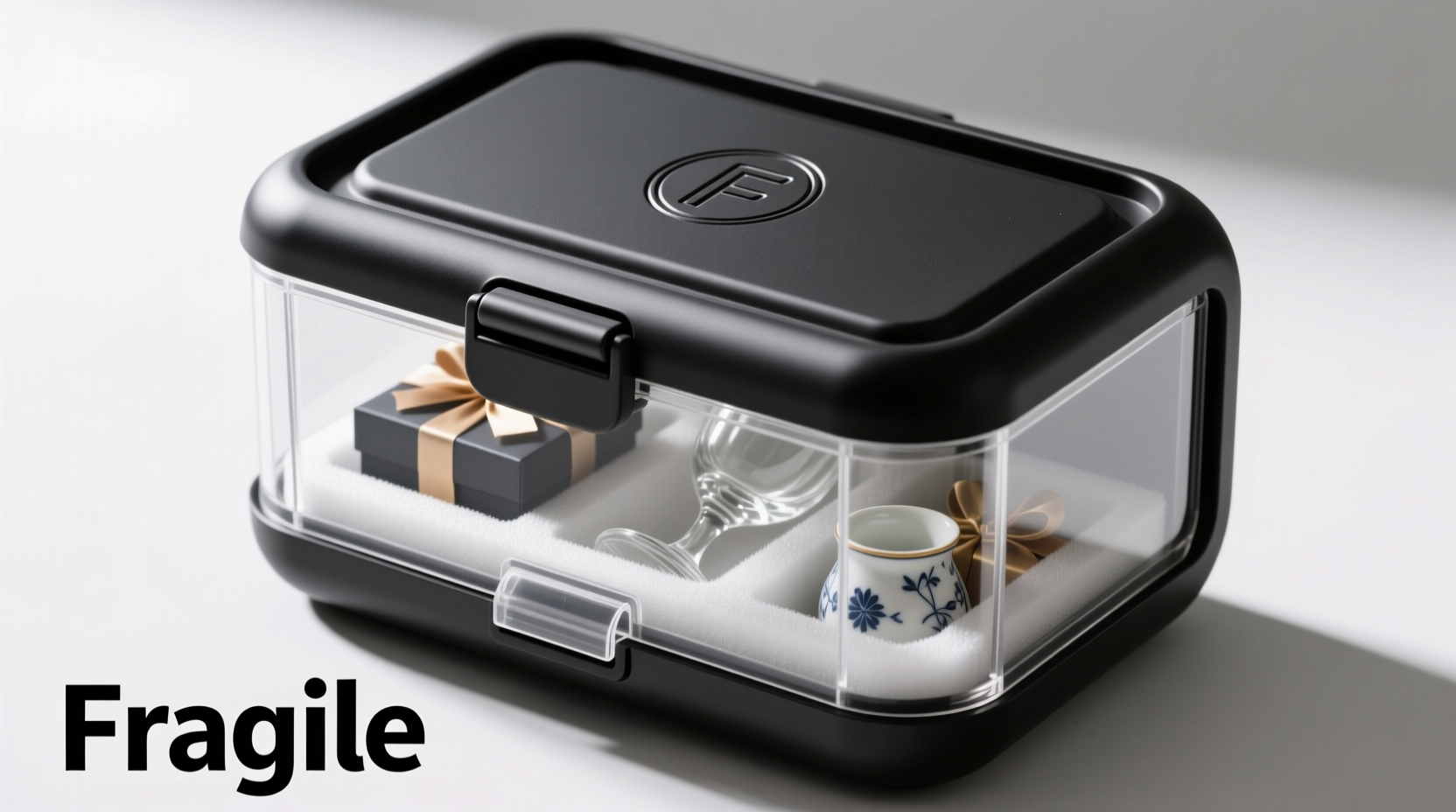
The foundation of safe transport starts with the container. Not all boxes are created equal—especially when carrying something that could shatter under pressure. Opt for a rigid, double-walled corrugated cardboard box. These provide structural integrity without excessive weight, making them ideal for handheld delivery.
Avoid flimsy packaging or reused boxes with weakened corners. Even minor compression can compromise internal stability. Size matters too: the box should allow no more than 1–2 inches of clearance around the item. Too much space increases movement; too little risks pressure on the object during temperature shifts or stacking.
Internal Protection: Cushioning That Works
Padding isn’t just filler—it’s physics in action. The goal is to absorb shock, minimize vibration, and eliminate direct contact between the fragile item and the box walls. Use layered protection:
- Primary wrap: Encase the item in acid-free tissue or soft cotton cloth to prevent surface scratches.
- Secondary cushioning: Surround it with at least two inches of bubble wrap (preferably with small bubbles for better conformity). Seal seams with tape but avoid wrapping too tightly.
- Filler material: Use crumpled kraft paper, foam inserts, or biodegradable packing peanuts to fill voids. Never use newspaper near delicate finishes—it can transfer ink.
For irregularly shaped items, consider custom-cut foam inserts. These create a snug “nest” that holds the object in place regardless of orientation changes during transit.
Step-by-Step: Securing a Fragile Item in a Handheld Box
- Clean and dry the item thoroughly before wrapping.
- Wrap in soft, non-abrasive material (e.g., silk tissue or microfiber).
- Apply one layer of bubble wrap, focusing on protruding or thin areas.
- Place the wrapped item in the center of the box.
- Add cushioning evenly on all sides—press gently to test for movement.
- Seal the box with reinforced packing tape in an H-pattern across flaps.
- Label clearly: “Fragile – This Side Up” on at least two sides.
Transportation Tactics: From Car to Doorstep
Even perfectly packed items can fail if handled poorly during transport. When moving the box by car, never place it in the trunk unless absolutely necessary. Trunks lack visibility and temperature control, and sudden stops can cause unchecked sliding.
Instead, secure the box on a flat surface in the back seat using a seatbelt or non-slip mat. If traveling on foot, carry the box with both hands at waist level—this reduces strain and improves balance. Avoid swinging motions or placing the box on uneven ground during rest stops.
Temperature fluctuations also matter. Glass and ceramics expand and contract with heat, increasing stress on weak points. On hot days, don’t leave the box in a parked car. In cold weather, bring it inside briefly before departure to acclimate and prevent condensation.
| Situation | Best Practice | Risk to Avoid |
|---|---|---|
| Car transport | Secure on back seat with seatbelt | Unrestrained movement during braking |
| Walking long distances | Use a padded tote over arm + box inside | Dropping due to fatigue |
| Extreme temperatures | Minimize exposure; insulate if needed | Thermal shock causing cracks |
| Stair navigation | Take one step at a time, eyes on path | Tripping or tilting the box |
Real-World Example: Delivering a Heirloom Teapot
Sarah was tasked with delivering her grandmother’s 1920s Bohemian teapot to a cousin’s birthday party across town. The piece had sentimental value and a hairline crack already repaired with gold lacquer—making impact resistance critical.
She used a 10x10x6 inch double-wall box lined with closed-cell foam sheets. The teapot was wrapped in silk tissue, then encased in three layers of bubble wrap with extra padding around the spout and handle. Custom-cut foam brackets held it upright. During transit, she placed the box on the passenger seat secured with a strap. Despite a bumpy ride through city streets, the teapot arrived intact, earning admiration not just for the gift—but for its flawless presentation.
“Proper packaging doesn’t hide the item—it honors it by ensuring it arrives exactly as intended.” — Daniel Reeves, Museum Conservator & Packaging Consultant
Frequently Asked Questions
Can I use a gift bag instead of a box?
Only if the bag has rigid interior support. Standard fabric or paper gift bags offer zero crush protection and are unsuitable for fragile items. If aesthetics are important, place the securely packed box inside a decorative outer bag designed for weight-bearing.
How do I know if my packaging is tight enough?
After sealing, gently shake the box. You should feel no movement or sounds of shifting. If you hear tapping or sliding, add more filler. The item should be immobilized, not floating.
Is it safe to check a fragile gift as luggage?
No. Airlines subject checked baggage to rough handling, extreme pressure changes, and unpredictable storage conditions. Hand-carrying is always safer. If flying, keep the packed gift with you in a carry-on approved for size and security regulations.
Packing Checklist: Never Miss a Step
- ☐ Select a sturdy, appropriately sized box
- ☐ Wrap item in soft, non-reactive material
- ☐ Apply shock-absorbing layer (bubble wrap or foam)
- ☐ Fill all voids with inert cushioning material
- ☐ Seal box with reinforced packing tape
- ☐ Label “Fragile” and “This Side Up” clearly
- ☐ Secure during transport—never loose in vehicle
- ☐ Avoid temperature extremes and humidity
- ☐ Deliver personally with controlled handling
Mindset Matters: Treat It Like a Museum Piece
The final—and often overlooked—element of safe transport is intention. Approach the process not as mere gift-wrapping, but as curatorial care. Museums move priceless artifacts across continents using principles similar to those outlined here: controlled environments, multi-layered protection, and human supervision throughout.
You don’t need a climate-controlled van to apply this standard. What you do need is awareness: slow movements, anticipation of hazards, and respect for the object’s fragility. That mindfulness translates directly into safety. Every decision—from how you hold the box to where you set it down—affects the outcome.
Remember, the recipient’s first impression begins the moment they see the package. A clean, well-maintained box signals care and thoughtfulness. A dented, taped-together container—even if the contents survived—diminishes the experience.
Final Thoughts: Deliver More Than a Gift
Safely transporting a fragile gift is about more than avoiding breakage. It’s about preserving meaning. Each precaution you take communicates respect—for the object, for the occasion, and for the person receiving it. Thoughtful packaging ensures the gift arrives not just intact, but imbued with the same care that went into choosing it.




 浙公网安备
33010002000092号
浙公网安备
33010002000092号 浙B2-20120091-4
Comments
No comments yet. Why don't you start the discussion?