
Getting your first credit card is a milestone in financial independence. It opens doors to better loan terms, rental approvals, and even job opportunities that consider credit history. But without discipline, it can lead to high-interest debt and long-term damage to your financial health. The key isn’t just having a credit card—it’s using it wisely from day one. With the right habits, your first card can become a powerful tool for building credit, managing cash flow, and gaining financial confidence.
Start with the Right Card for Your Situation
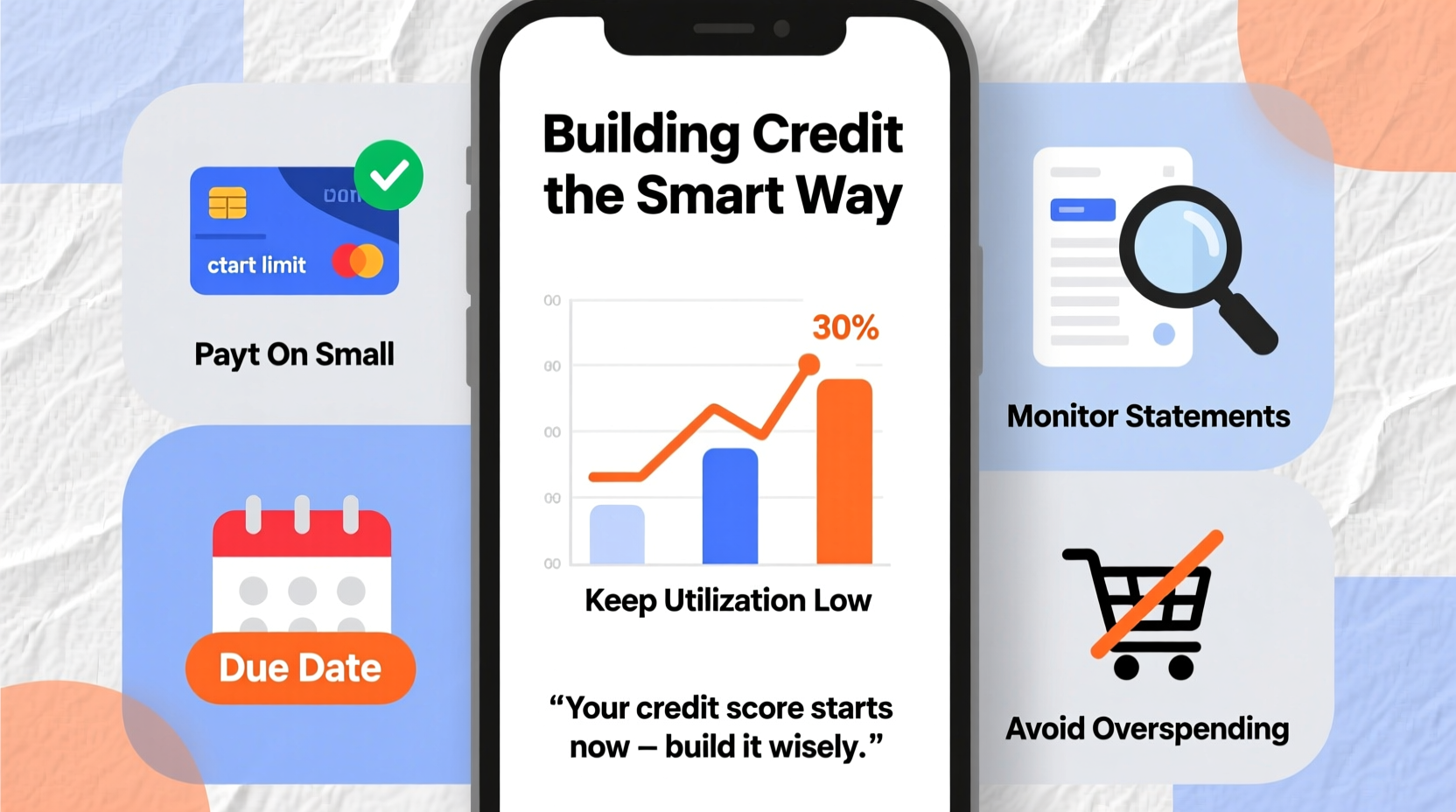
Not all credit cards are created equal—especially for first-time users. Many issuers offer beginner-friendly options designed to help you build credit safely. These often include secured cards, student cards, or unsecured cards with low limits and minimal fees.
A secured credit card requires a cash deposit (typically $200–$500), which becomes your credit limit. This reduces risk for the issuer and increases your chances of approval, even with no credit history. As you make on-time payments, the issuer reports your activity to the major credit bureaus—Equifax, Experian, and TransUnion—helping you build a positive credit profile.
Master the Fundamentals of Responsible Use
Using a credit card responsibly doesn’t mean avoiding it altogether—it means treating it as a financial instrument, not free money. Here are core principles to follow:
- Pay your balance in full every month. Carrying a balance incurs interest, which can quickly erode any rewards or benefits.
- Keep utilization below 30%. Credit utilization—the percentage of your available credit you're using—is a major factor in your credit score. Aim to use less than a third of your limit.
- Never miss a payment. Even one late payment can trigger fees and hurt your credit score.
- Monitor your statements monthly. Check for errors, fraud, or unexpected charges.
“Building credit is like growing a tree—it takes time, consistency, and proper care. A single misstep won’t ruin it, but repeated neglect will.” — Maria Thompson, Certified Financial Planner
Step-by-Step Guide to Building Credit Safely
Follow this timeline to establish strong credit habits within your first year of card ownership:
- Month 1: Activate and secure your card. Sign the back, set up online access, and enable transaction alerts.
- Month 2–3: Make small, regular purchases. Use the card for routine expenses like gas, groceries, or streaming subscriptions—only what you can afford to pay off immediately.
- Month 4–6: Review your credit report. Request a free copy at AnnualCreditReport.com and verify that your account is being reported accurately.
- Month 7–9: Consider a credit limit increase. If you’ve paid on time and kept balances low, request a modest raise to improve your utilization ratio.
- Month 10–12: Evaluate upgrade options. Some issuers may invite you to graduate to an unsecured card or one with rewards. Compare terms carefully before accepting.
Do’s and Don’ts of First-Time Credit Card Use
| Do | Don't |
|---|---|
| Set up automatic payments for at least the minimum due | Use your card for impulse purchases beyond your budget |
| Keep your oldest card active, even if rarely used | Close your first credit card once you get a new one |
| Use alerts for transactions and due dates | Max out your credit limit, even if you plan to pay it off |
| Track spending with a budgeting app or spreadsheet | Take cash advances—they come with high fees and immediate interest |
| Review your credit score quarterly | Apply for multiple cards at once—it can lower your score |
Real Example: How Alex Built Credit in 18 Months
Alex, a 20-year-old college student, received his first secured credit card with a $300 limit. He loaded it with a $300 deposit and committed to a strict usage plan. Each month, he used the card only for his $15 Spotify subscription and occasionally filled up his car with $25 of gas. He set up autopay to clear the balance every month.
After six months, his credit score rose from “no history” to 672. By month 12, the issuer upgraded him to an unsecured card and returned his deposit. At 18 months, Alex had a 710 score and was approved for a low-interest auto loan. His disciplined approach turned a simple card into a launchpad for financial growth.
Checklist: Your First-Year Credit Card Success Plan
- ✅ Choose a beginner-friendly card with no annual fee
- ✅ Set up online account access and mobile alerts
- ✅ Pay your full balance by the due date each month
- ✅ Keep credit utilization under 30%
- ✅ Review your statement for accuracy every billing cycle
- ✅ Check your credit report at least once per year
- ✅ Avoid applying for other credit lines unnecessarily
- ✅ Consider a credit monitoring service for added awareness
Frequently Asked Questions
Should I carry a small balance to build credit?
No. This is a common myth. Credit scoring models reward on-time payments and low utilization—not carrying a balance. In fact, interest charges make this strategy costly and unnecessary. Pay in full each month to maximize benefits and minimize costs.
What happens if I miss a payment?
If you’re fewer than 30 days late, you may avoid a credit report ding but could face a late fee and loss of grace period. After 30 days, the delinquency is typically reported to credit bureaus, which can drop your score significantly. Set up autopay or calendar reminders to prevent this.
Can I build credit without a credit card?
Yes, but it’s slower. Alternatives include credit-builder loans, authorized user status on a family member’s account, or services that report rent and utility payments. However, a well-managed credit card remains one of the most effective tools for establishing a robust credit history.
Conclusion: Turn Your First Card Into a Financial Advantage
Your first credit card is more than a way to buy now and pay later—it’s a training ground for lifelong financial habits. When used with intention, it builds credibility with lenders, strengthens your financial profile, and gives you flexibility in emergencies. The habits you form today—paying on time, spending within limits, and monitoring activity—will serve you far beyond credit scores. They lay the foundation for homeownership, business ventures, and long-term security.




 浙公网安备
33010002000092号
浙公网安备
33010002000092号 浙B2-20120091-4
Comments
No comments yet. Why don't you start the discussion?