
Carrying a tote bag filled with books, laptops, groceries, or work essentials has become a daily routine for many—especially professionals, students, and urban commuters. While totes are stylish and spacious, they’re often designed more for aesthetics than ergonomics. When overloaded, they can lead to shoulder pain, neck tension, and long-term postural issues. The good news: with smart packing habits, proper body mechanics, and a few strategic adjustments, you can transport heavy loads comfortably and safely.
Choose the Right Tote for Heavy Loads
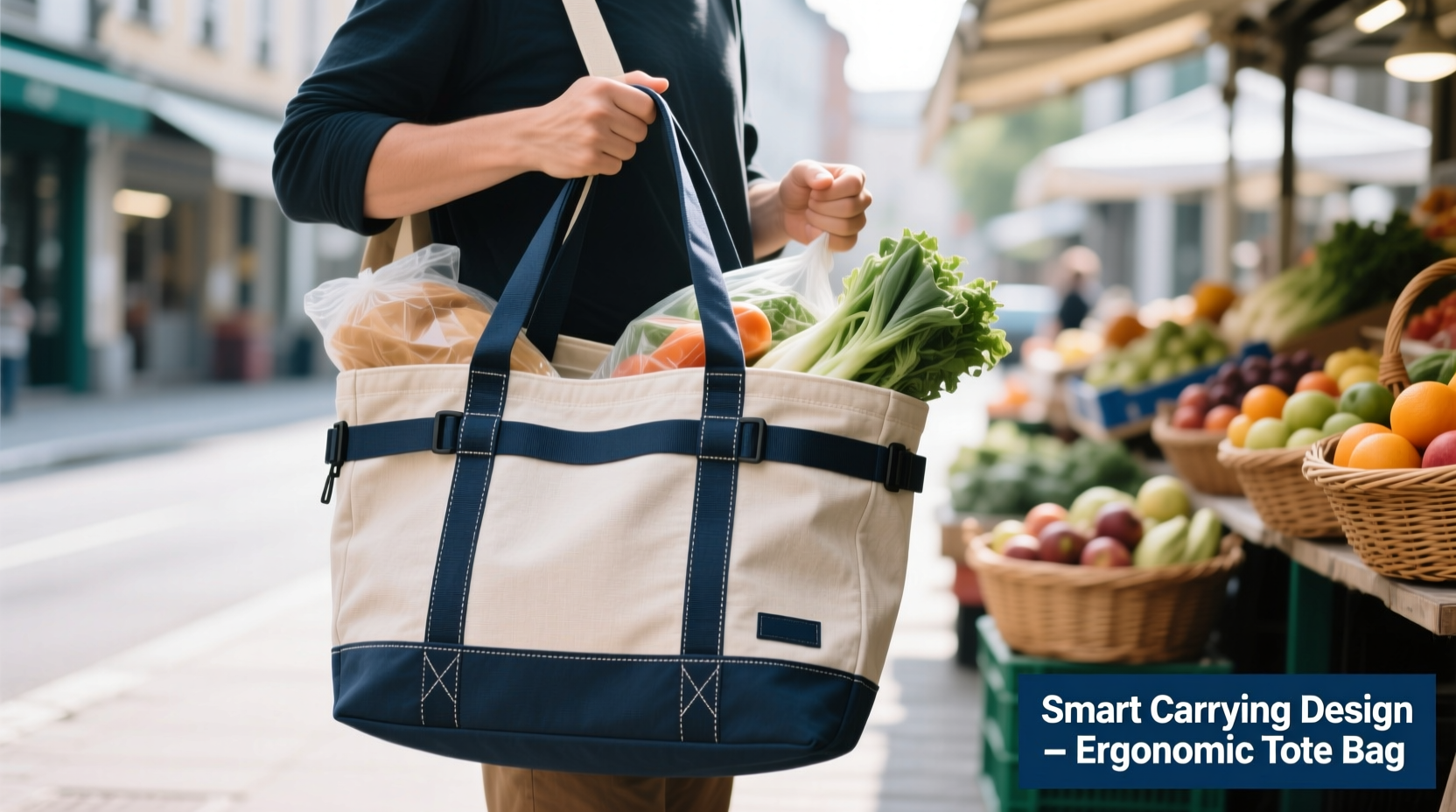
Not all tote bags are created equal. Some are better suited for light accessories, while others are built to handle weight responsibly. When selecting a tote meant for regular heavy use, consider structure, material, and strap design.
A well-constructed tote should have:
- Wide, padded straps – Narrow straps concentrate pressure on small areas of the shoulder, increasing discomfort.
- Structured base or bottom reinforcement – Prevents sagging and keeps contents stable.
- Durable fabric or leather – Materials like canvas, nylon, or full-grain leather resist wear from repeated stress.
- Balanced proportions – A bag that’s too large encourages overpacking; aim for one that fits your essential items snugly.
Pack Smart: The Weight Distribution Principle
How you pack your tote matters as much as how much you pack. Uneven weight distribution causes imbalance, forcing your body to compensate by leaning or twisting—this leads to muscle fatigue and joint stress over time.
Follow these principles for balanced loading:
- Place heavier items at the bottom and close to your back. This lowers the center of gravity and keeps the load aligned with your spine.
- Use internal organizers or pouches. These prevent shifting and help maintain balance during movement.
- Avoid top-loading only. Items piled at the top pull the bag forward, straining your shoulders and upper back.
- Limit loose, bulky items. Rolled-up jackets or oversized containers create instability and increase effort.
| Packing Strategy | Benefit | Risk if Ignored |
|---|---|---|
| Heaviest items near the back | Reduces spinal torque | Forward lean, lower back pain |
| Even side-to-side balance | Prevents postural drift | Shoulder elevation, neck strain |
| Use of inner compartments | Minimizes item movement | Constant readjustment, fatigue |
| Light items on top | Maintains center of gravity | Bag tilting, shoulder pressure |
Adopt Ergonomic Carrying Techniques
The way you carry your tote significantly affects your physical comfort. Many people sling a bag over one shoulder and forget about it—until pain sets in. Instead, adopt mindful carrying habits that support your body’s natural alignment.
Consider alternating shoulders every 10–15 minutes if carrying the bag for extended periods. Better yet, switch to a crossbody carry when possible. This method uses the sternum and ribcage to stabilize weight, engaging larger muscle groups and reducing localized strain.
“Single-shoulder carrying creates asymmetrical loading, which over time can lead to muscular imbalances and even scoliosis-like postural changes.” — Dr. Lena Torres, Physical Therapist & Posture Specialist
If your tote lacks crossbody functionality, consider using a detachable strap extender or switching to a convertible tote with dual carry options.
Mini Case Study: The Commuter Who Fixed Her Shoulder Pain
Sophie, a graphic designer in Chicago, carried her laptop, sketchbook, water bottle, and lunch in a canvas tote every day. After six months, she developed chronic right shoulder pain and frequent headaches. A visit to a physical therapist revealed uneven muscle development and forward head posture.
Her solution? She replaced her flimsy tote with a structured bag featuring wide, padded straps and began packing heavier items (laptop, water) at the back and bottom. She also started alternating shoulders hourly and added a lightweight backpack for days with extra gear. Within three weeks, her pain decreased significantly, and her posture improved.
Step-by-Step Guide to Strain-Free Tote Use
Follow this daily routine to protect your body while carrying heavy loads:
- Assess necessity. Before packing, ask: “Do I really need everything I’m about to carry?” Remove non-essentials.
- Organize by weight. Place heaviest items (laptop, books, bottles) at the bottom, centered against the back panel.
- Fill mid-weight items around them. Use pouches or folders to stabilize and balance both sides.
- Add light items on top. Scarves, notebooks, or snacks go last to avoid shifting the center of gravity.
- Adjust strap length. Ensure the bag sits high on your hip or low on your ribcage—not dragging below the waist.
- Switch shoulders regularly. Set a reminder on your phone or smartwatch to alternate every 10–15 minutes.
- Take breaks when walking long distances. Put the bag down, stretch your shoulders, and reset your posture.
Common Mistakes That Increase Strain
Awareness is the first step toward prevention. Avoid these common errors:
- Overstuffing the bag. Just because a tote can hold 20 pounds doesn’t mean it should. Stick to 10–15% of your body weight max.
- Using thin, unpadded straps. These dig into nerves and blood vessels, potentially causing numbness or circulation issues.
- Carrying the same way every day. Repetitive strain accumulates silently until symptoms flare.
- Ignoring early warning signs. Soreness, tingling, or stiffness are red flags—not normal parts of carrying a bag.
Checklist: Strain-Proof Your Tote Routine
- ✅ Choose a tote with wide, reinforced straps
- ✅ Pack heaviest items closest to your back
- ✅ Balance weight evenly left to right
- ✅ Limit total weight to under 10–15% of your body weight
- ✅ Alternate shoulders frequently
- ✅ Take short breaks during long walks
- ✅ Replace worn-out bags promptly
Frequently Asked Questions
How much weight is safe to carry in a tote bag?
Experts recommend not exceeding 10–15% of your body weight. For a 150-pound person, that’s 15–22 pounds. However, due to poor weight distribution in most totes, staying under 10 pounds is safer for daily use.
Can carrying a heavy tote cause long-term damage?
Yes. Chronic one-sided carrying can lead to muscular imbalances, nerve compression (like thoracic outlet syndrome), and postural disorders such as rounded shoulders or cervical spine misalignment. Early intervention prevents lasting harm.
Are there tote alternatives for heavy loads?
Absolutely. Consider switching to ergonomic backpacks, rolling totes, or hybrid messenger bags with chest stabilizers. These distribute weight more evenly and reduce physical strain significantly.
Conclusion: Carry Smarter, Feel Better
Your tote bag doesn’t have to be a source of discomfort. With thoughtful selection, intelligent packing, and body-aware carrying techniques, you can transport what you need without sacrificing your well-being. Small changes—like repositioning your laptop in the bag or switching shoulders—add up to major improvements in comfort and long-term health.




 浙公网安备
33010002000092号
浙公网安备
33010002000092号 浙B2-20120091-4
Comments
No comments yet. Why don't you start the discussion?