
Carrying a small shoulder bag is a stylish and practical choice for daily errands, work commutes, or weekend outings. But limited space often leads to disorganization—fumbling for keys, losing lip balm at the bottom, or overstuffing until the zipper strains. The good news: with intentional planning and smart organization techniques, you can fit everything you need without sacrificing accessibility or aesthetics.
The key isn’t carrying more—it’s carrying better. By curating your essentials and optimizing how you store them, you transform your compact bag into a functional extension of your routine. These proven strategies help you maintain order, reduce stress, and move through your day with confidence.
Choose the Right Bag Layout First
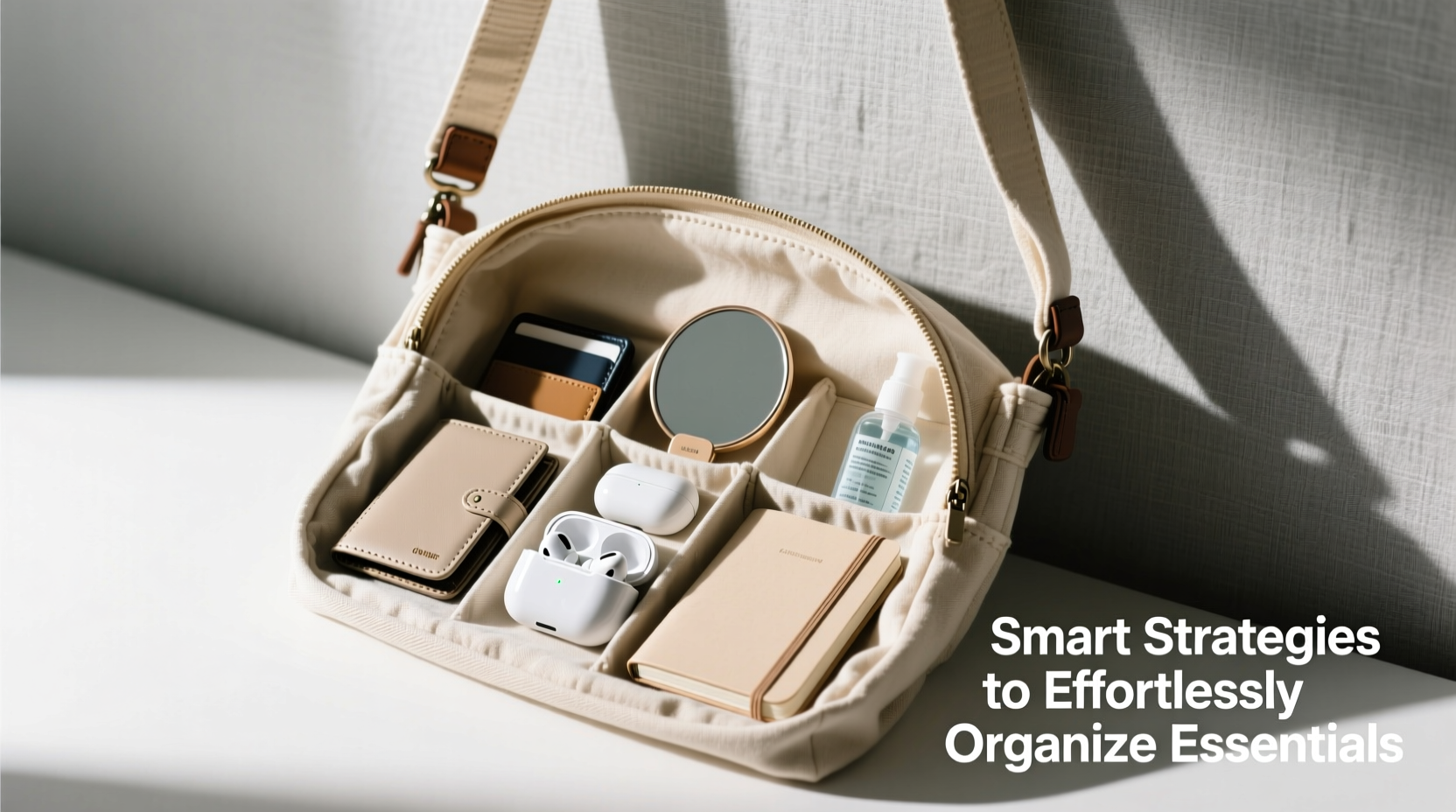
Before organizing what goes inside, evaluate the bag itself. Not all small shoulder bags are created equal. Look for structural features that support organization:
- Multiple compartments: A main pocket, inner zippered section, and at least one open slip pocket increase segmentation options.
- Sturdy material: Structured bags hold their shape better, preventing items from shifting and getting buried.
- Closure type: Magnetic snaps or zippers keep contents secure; open-top styles require stricter organization to avoid spills.
If you're shopping for a new bag, prioritize internal architecture over external design. A well-structured interior reduces chaos before it starts.
“Functionality should never be sacrificed for fashion when it comes to everyday carry bags. The best designs blend both.” — Lena Torres, Urban Lifestyle Organizer
Curate Your Daily Essentials Mindfully
The foundation of an organized small bag is simplicity. Begin by auditing what you actually use each day. Most people carry 30% more than necessary out of habit, not necessity.
Lay out everything you typically bring, then categorize:
| Category | Common Items | Keep? (Ask: Used daily?) |
|---|---|---|
| Identification & Payment | Wallet, ID, credit cards, transit pass | ✅ Yes |
| Technology | Phone, earbuds, portable charger | ✅ Yes |
| Personal Care | Lip balm, hand sanitizer, mini tissues | ✅ Yes |
| Extras | Snacks, book, extra jewelry | ❌ Rotate as needed |
Limit non-essentials to one “flex” item per day. This prevents accumulation and preserves space for priorities.
Create Dedicated Zones Using Pouches
Since small bags lack built-in divisions, use soft pouches to create designated zones. Think of them as drawers within a cabinet—each serving a specific function.
Select three slim organizers:
- Electronics Pouch: Holds phone charger, earbuds, USB stick. Choose one with a cable exit port for charging on the go.
- Toiletry Pouch: Water-resistant lining contains hand sanitizer, lip products, and blotting papers.
- Documents & Cards: Slim sleeve for transit passes, folded receipts, or emergency cash.
Stick to neutral colors or transparent materials so you can spot contents easily. Avoid bulky organizers—they defeat the purpose in tight spaces.
Mini Case Study: Maria’s Morning Routine Upgrade
Maria, a graphic designer in Chicago, used to arrive late to client meetings because she couldn’t find her business cards or stylus. Her small leather crossbody was fashionable but chaotic. After implementing zone-based pouches, she assigned every essential a fixed location. Now, she opens her bag and retrieves any item in under five seconds. “It’s like muscle memory,” she says. “I don’t think—I just reach.”
Adopt the Daily Reset Habit
Organization doesn’t last without maintenance. Build a 90-second nightly reset into your routine to ensure readiness each morning.
Step-by-Step Reset Timeline
- Evening (after returning home): Empty the bag completely onto a clean surface.
- Inspect: Discard trash, expired samples, or unnecessary receipts.
- Recharge: Plug in your phone and portable battery if needed.
- Refill: Restock tissue packets, sanitizer, or lip balm if low.
- Repocket: Return each item to its designated pouch or slot.
- Final Check: Verify wallet, keys, and phone are in consistent spots.
This ritual takes less time than brushing your teeth but prevents frantic searches later. Over time, it becomes automatic—like setting an alarm or locking your front door.
Smart Packing Strategies for Variable Days
Sometimes you need to adapt—carrying a notebook to a meeting or packing sunscreen for an outdoor lunch. Instead of disrupting your system, use a modular approach.
Designate one pouch as the “swap zone”—a flexible container that holds temporary additions. For example:
- Monday: Notebook and pen
- Wednesday: Mini umbrella
- Saturday: Sunglasses case
When adding an item, remove something non-critical to maintain balance. This keeps the bag functional and avoids overloading.
“The most organized people don’t carry less—they carry smarter. They know where everything is because nothing is allowed to float freely.” — Derek Ho, Productivity Consultant
Do’s and Don’ts of Small Bag Organization
| Do | Don’t |
|---|---|
| Use vertical space with stackable pouches | Let loose items roll to the bottom |
| Label pouches with small tags or color codes | Store heavy items at the top (unbalances bag) |
| Check weight distribution—should feel balanced when worn | Carry full-size bottles; opt for travel sizes |
| Wipe down interior monthly with a dry microfiber cloth | Ignore odors or stains—address immediately |
Frequently Asked Questions
How do I prevent my bag from becoming a black hole?
Assign every item a fixed home. If something doesn’t have a designated spot, it shouldn’t be in the bag. Use clear or labeled pouches so visibility replaces memory.
What if my bag has no pockets?
Add structure externally. Use a magnetic snap-on card holder for quick access items. Internally, rely on firm pouches that stand upright and segment space even in flat interiors.
Can I still look stylish while being organized?
Absolutely. Organization enhances style by reducing bulges and preserving the bag’s shape. A tidy interior means cleaner lines, smoother wear, and longer-lasting materials.
Final Checklist: Organize Your Shoulder Bag in One Evening
- Empty your current bag completely.
- Sort items into categories: must-have, occasional, discard.
- Purchase 2–3 slim, structured pouches (electronics, personal care, documents).
- Place heaviest items (phone, wallet) at the bottom, closest to your body.
- Insert pouches vertically for easy access.
- Test the layout: Can you retrieve your phone, keys, and wallet without dumping contents?
- Set a nightly reminder to reset for seven days—habit formed.
Conclusion
Effortless organization isn’t about perfection—it’s about intention. When every item in your small shoulder bag has a purpose and a place, you reclaim time, reduce stress, and move through your day with quiet confidence. These strategies aren’t temporary fixes; they’re sustainable habits that align form and function.
You don’t need a bigger bag. You need a smarter system. Start tonight: empty, evaluate, and rebuild with clarity. In less than an hour, you’ll transform your shoulder bag from cluttered catch-all to a streamlined command center.




 浙公网安备
33010002000092号
浙公网安备
33010002000092号 浙B2-20120091-4
Comments
No comments yet. Why don't you start the discussion?