
Lab grown diamonds have revolutionized the jewelry market, offering a sustainable, ethical, and significantly more affordable alternative to mined diamonds. With identical physical and optical properties, these gems provide the same sparkle at a fraction of the price. However, not all online retailers are created equal. Finding an affordable yet high-quality lab grown diamond ring requires research, discernment, and a clear understanding of what matters most in a purchase. This guide outlines practical, proven strategies to help you secure a stunning ring that fits your budget and exceeds your expectations.
Understand the True Value of Lab Grown Diamonds
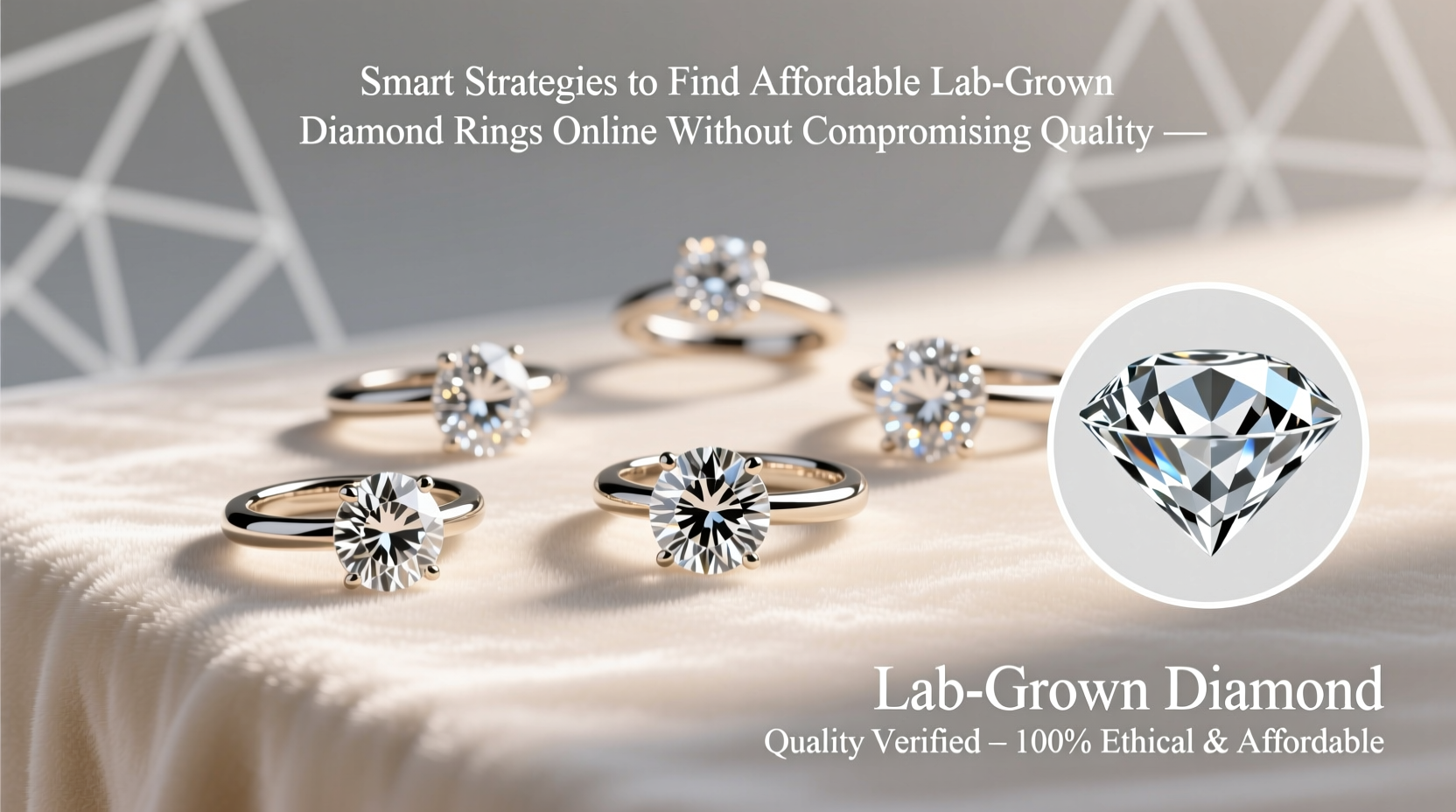
One of the biggest misconceptions about lab grown diamonds is that they’re “fake” or inferior. In reality, they are chemically, physically, and optically identical to natural diamonds—just created in a controlled environment rather than deep within the Earth. The primary difference? Cost. On average, lab grown diamonds cost 40–60% less than their mined counterparts of comparable quality.
This price gap isn’t due to lower quality but stems from the elimination of mining costs, geopolitical factors, and supply chain markups. Recognizing this distinction empowers buyers to focus on cut, color, clarity, and carat—the traditional \"Four Cs\"—without feeling pressured to overspend.
“Lab grown diamonds offer the same beauty and durability as mined stones. For couples prioritizing value and sustainability, they’re an intelligent choice.” — Dr. Lena Patel, Gemologist & Sustainable Jewelry Advocate
Know What Quality Metrics Actually Matter
When shopping online, it’s easy to get lost in technical jargon. To avoid overpaying for features that don’t impact visual appeal, focus on the attributes that truly affect how the diamond looks to the naked eye.
- Cut: The most important factor. A well-cut diamond reflects light beautifully, creating fire and brilliance. Prioritize Ideal or Excellent cut grades.
- Color: For white diamonds, aim for G-H color. These appear colorless in settings but cost less than D-F graded stones.
- Clarity: Choose SI1 or VS2 clarity if the diamond is “eye-clean”—meaning no visible inclusions under normal lighting.
- Carat: Slight reductions (e.g., 0.90 ct instead of 1.00 ct) can yield significant savings with minimal visual difference.
Compare Reputable Online Retailers Strategically
Not all online jewelers offer the same level of transparency or customer service. Some inflate prices while others undercut with subpar craftsmanship. Use a structured comparison method to identify trustworthy vendors.
| Retailer | Avg. Price (1ct, G, VS2) | Certification | Return Policy | Customization Options |
|---|---|---|---|---|
| James Allen | $4,200 | GIA or IGI | 30 days | Yes |
| Brilliant Earth | $4,800 | GIA, IGI, GCAL | 30 days | Yes |
| Blue Nile | $4,500 | IGI or GIA | 30 days | Limited |
| With Clarity | $3,700 | IGI | 30 days | Yes |
From this data, With Clarity offers the best price point, while Brilliant Earth leads in ethical sourcing transparency. James Allen provides superior viewing technology. Choose based on your priorities: affordability, ethics, or visualization tools.
Step-by-Step Guide to Buying Your Ring Online
Purchasing a diamond ring online doesn’t have to be risky. Follow this timeline to ensure confidence and value:
- Define Your Budget: Set a realistic range, including setting and customization costs.
- Choose Certification: Only consider diamonds certified by GIA or IGI. Avoid stores that use in-house grading.
- Select Diamond Shape: Round brilliants offer maximum sparkle; princess or oval cuts often cost less.
- Narrow Based on Four Cs: Use filters to find stones within your quality threshold.
- Use Zoom Tools: Inspect the diamond under magnification. Look for symmetry and clarity characteristics.
- Compare Settings: Simpler bands (e.g., solitaire) reduce cost. Consider recycled gold to save and support sustainability.
- Check Return Policy: Ensure a minimum 30-day return window with free shipping.
- Place Order: Confirm warranty, insurance options, and engraving before checkout.
Real Example: How Sarah Saved $2,300 Without Sacrificing Beauty
Sarah wanted a 1-carat round diamond engagement ring but didn’t want to spend over $5,000. After visiting local jewelers and receiving quotes between $6,500 and $8,000, she turned online. She focused on retailers with 360° video and IGI certification. She selected a 0.98-carat, G-color, VS2-clarity, ideal-cut lab diamond from With Clarity for $3,650. The platinum solitaire setting added $1,050. Total: $4,700—nearly $2,300 less than brick-and-mortar options.
She used the 30-day return policy to try the ring at home under different lights. “It sparkled more than the ones I saw in stores,” she said. “I still show it off proudly, and no one guesses it’s lab grown.”
Essential Checklist Before You Buy
- ✅ Diamond comes with GIA or IGI certification
- ✅ High-resolution images or 360° video available
- ✅ Minimum 30-day return policy with free shipping
- ✅ Metal type and purity clearly stated (e.g., 14k recycled platinum)
- ✅ Independent customer reviews verified (check Trustpilot or BBB)
- ✅ Option for third-party appraisal included or available
- ✅ Secure payment options and SSL encryption on site
Frequently Asked Questions
Are lab grown diamonds durable enough for everyday wear?
Absolutely. Lab grown diamonds score 10 on the Mohs hardness scale—identical to natural diamonds. They are resistant to scratching and ideal for engagement rings worn daily.
Will my ring lose value over time?
All diamonds, whether mined or lab grown, depreciate upon purchase. However, sentimental value far outweighs resale concerns for most buyers. If investment is a priority, neither option is ideal—but lab grown minimizes initial financial risk.
Can jewelers tell the difference between lab grown and mined diamonds?
Not with standard tools. Advanced laboratory equipment is required to detect growth patterns. Visually and functionally, they are indistinguishable.
Final Thoughts: Make a Smart, Confident Choice
Finding an affordable lab grown diamond ring online doesn’t mean cutting corners—it means being informed. By focusing on cut quality, insisting on independent certification, comparing transparent retailers, and leveraging digital inspection tools, you can acquire a breathtaking ring that reflects both your values and your taste. The savings aren’t just monetary; they represent a shift toward ethical consumption and smarter spending. Whether you're proposing soon or upgrading your jewelry collection, the future of fine jewelry is here—and it’s more accessible than ever.




 浙公网安备
33010002000092号
浙公网安备
33010002000092号 浙B2-20120091-4
Comments
No comments yet. Why don't you start the discussion?