
Large capacity bags—whether duffels, backpacks, tote bags, or rolling luggage—are essential for travel, commuting, gym sessions, or weekend getaways. While their size offers room for everything you need, it can also lead to clutter, wasted space, and the frustration of digging through layers to find a single item. The key isn’t just having a big bag—it’s using it intelligently. With thoughtful organization and strategic packing, you can transform your spacious bag into a highly functional, efficient system that keeps essentials accessible and maximizes every inch.
Choose the Right Bag with Smart Compartments
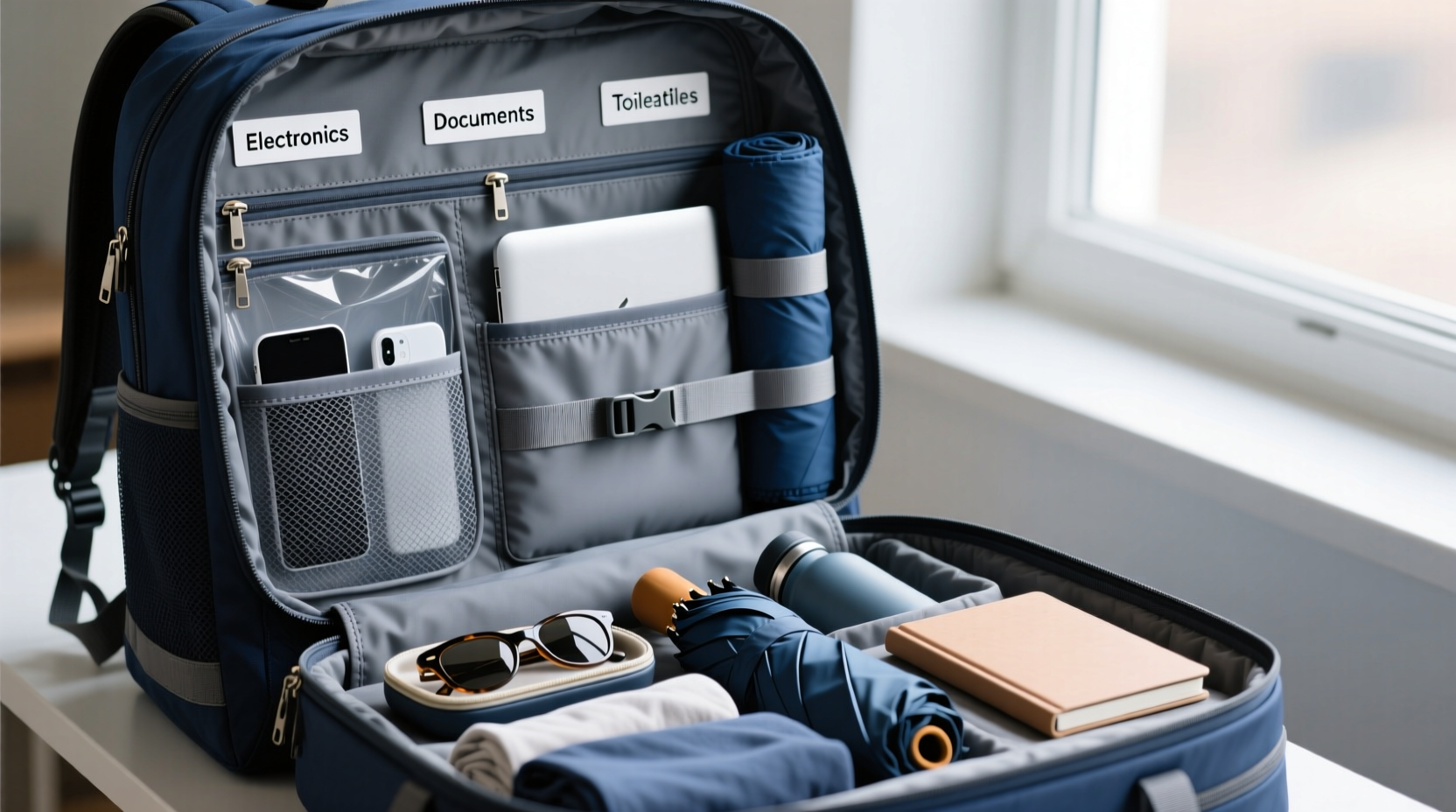
The foundation of effective organization starts before you even pack: selecting a bag designed with usability in mind. Not all large-capacity bags are created equal. Look for features that support compartmentalization and structure:
- Multipurpose compartments: Separate sections for laptops, shoes, water bottles, and tech accessories reduce cross-contamination and improve accessibility.
- Dedicated organization pockets: Interior mesh pockets, zippered sleeves, and elastic loops help secure small items like chargers, pens, or earbuds.
- Compression straps: These stabilize contents, prevent shifting, and reduce bulk by compressing soft materials like clothing.
- External access points: Top or side zippers that open into main compartments allow quick retrieval without unpacking everything.
Use the Zone Method for Logical Packing
Think of your bag as a series of designated zones, each assigned to a category of items. This method prevents chaos and ensures that similar items are grouped together for faster access.
- Zone 1: Daily Essentials (Top Layer)
Keep frequently used items like wallets, phones, sunglasses, and hand sanitizer near the top or in an easy-access pocket. - Zone 2: Work or Tech Gear (Middle Section)
Store laptops, notebooks, chargers, and cables in padded or structured pockets. Use cable organizers or small pouches to avoid tangles. - Zone 3: Clothing & Soft Goods (Bottom or Main Compartment)
Place folded or rolled clothes at the base. Heavier items like shoes should go at the bottom to maintain balance. - Zone 4: Toiletries & Fragile Items (Protected Area)
Use waterproof pouches or hard-sided cases for liquids. Position them toward the center to minimize impact. - Zone 5: Emergency & Backup Supplies (Hidden but Accessible)
Include spare socks, masks, snacks, or a compact umbrella in a sealed pouch that doesn’t interfere with daily access.
Leverage Packing Aids: Cubes, Pouches, and Wraps
Packing cubes and organizational tools are game-changers for maximizing space and maintaining order. They act as mini-drawers within your bag, allowing you to see and retrieve items without disturbing the entire load.
| Tool | Best For | Space-Saving Benefit |
|---|---|---|
| Packing Cubes (Fabric) | Clothing, underwear, accessories | Compress volume and group by outfit or function |
| Roll-Up Toiletry Bags | Toiletries, cosmetics, grooming tools | Prevents leaks, unrolls for visibility |
| Electronics Pouches | Chargers, power banks, adapters | Eliminates cord clutter, protects devices |
| Compression Bags | Bulky sweaters, jackets, bedding | Reduce air volume by up to 70% |
| Shoe Sacks | Footwear | Keeps dirt separate, maintains hygiene |
Invest in durable, lightweight organizers that fit snugly within your bag’s dimensions. Labeling each cube or pouch adds another layer of efficiency, especially when traveling or sharing gear.
“Organization isn’t about fitting more in—it’s about making what you have easier to use. A well-zoned bag saves time, reduces stress, and extends the life of your belongings.” — Jordan Lee, Travel Systems Designer
Optimize Space with Packing Techniques
How you place items inside your bag matters as much as what you bring. Strategic folding, rolling, and layering can dramatically increase usable space and protect delicate items.
Roll Clothes Instead of Folding
Rolling soft garments like t-shirts, pajamas, and knits minimizes creases and allows for tighter packing. It also makes individual pieces easier to extract without unfolding an entire stack.
Bundle Packing for Wrinkle Reduction
This advanced technique involves wrapping clothing around a central core (like toiletries or a small bag) to minimize folds and creases. Ideal for business travelers who need presentable attire upon arrival.
Fill Dead Spaces
Use otherwise wasted areas: stuff socks inside shoes, place chargers in empty shoe heels, or tuck small pouches into gaps between larger items. Every cubic inch counts.
Stack Vertically When Possible
Instead of laying items flat, arrange packing cubes vertically like files in a drawer. This lets you see everything at a glance when opening the bag—no rummaging required.
Real-World Example: The Business Traveler’s Weekender
Sophia, a marketing consultant, frequently travels for client meetings. Her large duffel often became disorganized—laptop buried under clothes, charger lost in a corner, and dress wrinkled from compression.
She redesigned her system using the zone method:
- Assigned a bright red packing cube for business attire (two shirts, one blazer, trousers).
- Used a slim electronics roll for her laptop, tablet, and three charging cords.
- Stored toiletries in a clear, leak-proof roll-up case.
- Kept snacks and backup mask in a labeled “Emergency” pouch on the outside.
Result: She now unpacks in under two minutes at her hotel, accesses her presentation gear instantly, and returns home with minimal repacking effort. The same bag holds more—but feels lighter in function.
Essential Checklist for Organized Packing
Before closing your bag, run through this checklist to ensure nothing is overlooked and everything has its place:
- ✅ Assign zones for categories (essentials, tech, clothing, etc.)
- ✅ Use packing cubes or pouches for separation
- ✅ Roll soft garments; bundle wrinkle-prone items
- ✅ Secure loose cords with Velcro ties or cable clips
- ✅ Place heaviest items at the base or against the back panel
- ✅ Fill voids with small items (socks in shoes, chargers in corners)
- ✅ Double-check zippers, closures, and weight distribution
- ✅ Label or color-code containers for quick identification
Frequently Asked Questions
How do I prevent my bag from becoming top-heavy?
Distribute weight evenly by placing heavier items in the center or lower part of the bag. Avoid overloading external pockets or the very top compartment. Use compression straps to stabilize the load and keep the center of gravity low.
Are packing cubes worth the investment?
Yes, especially if you travel regularly or carry diverse items. High-quality cubes made from lightweight, durable fabric improve accessibility, reduce wrinkles, and help maintain long-term organization. Start with a basic set of three sizes for maximum flexibility.
What’s the best way to organize tech in a large bag?
Use a dedicated tech organizer with padded compartments and elastic loops. Group items by function: one section for charging gear, another for devices, and a third for adapters. Keep everything in a middle-layer pocket for protection and quick access.
Take Control of Your Carry: A Final Thought
A large capacity bag shouldn’t mean surrendering to clutter. With intentional design, smart tools, and consistent habits, you can harness its full potential. Organization isn’t about perfection—it’s about creating a system that works for your lifestyle, reduces friction, and gives you confidence every time you sling that bag over your shoulder.




 浙公网安备
33010002000092号
浙公网安备
33010002000092号 浙B2-20120091-4
Comments
No comments yet. Why don't you start the discussion?