
In an age where minimalism meets functionality, the traditional bulky wallet is becoming obsolete. Many people are switching to slim wallets for comfort, style, and convenience. However, going small doesn’t mean you have to leave behind what you need. With thoughtful organization and strategic choices, it’s entirely possible to carry only what matters—without clutter or compromise. The key lies not in how much you own, but in how well you manage it.
Assess What You Actually Use Daily
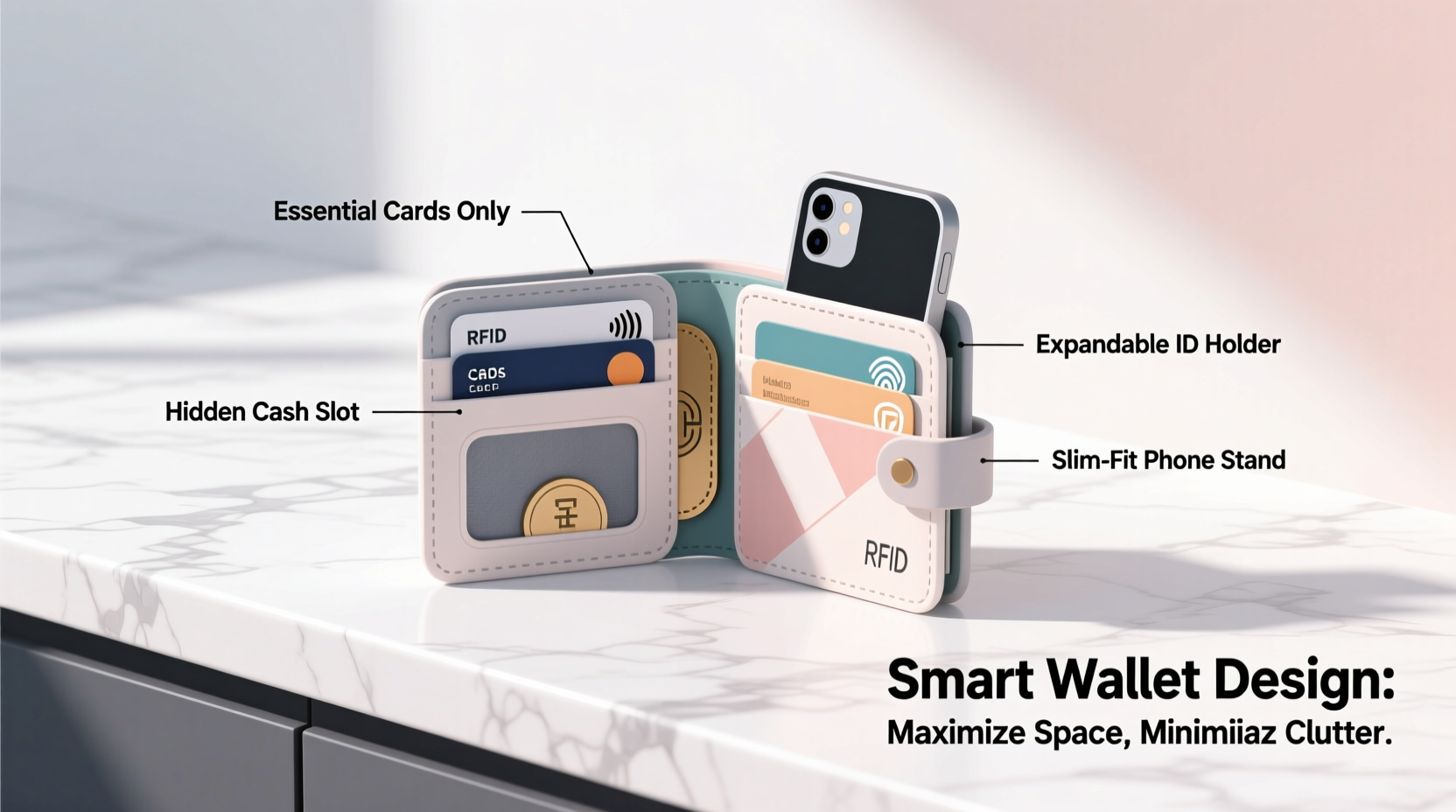
The first step toward optimizing your wallet is understanding what you truly use every day. Most people carry items out of habit rather than necessity. Take a full inventory: lay everything out on a table and categorize each item. Ask yourself: “Have I used this in the last week?” If the answer is no, consider removing it.
Common culprits of unnecessary bulk include old receipts, multiple loyalty cards, expired coupons, and rarely used identification. By eliminating these, you immediately free up space and reduce strain on the wallet’s material and structure.
Choose the Right Wallet Design for Your Lifestyle
Not all slim wallets are created equal. The ideal wallet depends on your daily routine, payment preferences, and personal habits. Here’s a breakdown of common types and their best use cases:
| Wallet Type | Capacity | Best For | Space-Saving Benefit |
|---|---|---|---|
| Credit Card Sleeve | 3–6 cards | Minimalists, urban commuters | Fits in pocket without bulk |
| Bifold with Cash Strap | 4–8 cards + folded cash | Everyday users needing cash access | Compact fold with secure closure |
| Front-Pocket Wallet (Slim) | 5–7 cards + thin cash layer | Active individuals, posture-conscious | Reduces back strain, prevents sagging |
| Modular Wallet System | Customizable compartments | Travelers, professionals | Add/remove sections as needed |
Selecting the right design isn’t just about aesthetics—it directly impacts how efficiently you can organize your essentials.
Optimize Card and Cash Organization
Once you’ve chosen your wallet, the next challenge is smart arrangement. How you place items inside affects accessibility and thickness.
- Lay cards flat—Avoid stacking more than six cards unless your wallet is specifically designed for high capacity.
- Fold cash once, horizontally, so it fits neatly behind a card slot. This keeps bills secure and minimizes volume.
- Use priority slots for most-used cards (debit, ID, transit pass), placing them at the front for quick access.
- Rotate seasonal cards—For example, keep gym membership or holiday event tickets temporarily, then remove after use.
“Efficiency in a small wallet comes from intentionality. Every item should earn its place.” — Jordan Lee, Urban Lifestyle Designer
Digitize Where Possible
One of the most effective ways to save physical space is by going digital. Smartphones now support a wide range of functions that once required physical items in your wallet.
What Can Be Digitized?
- Loyalty & Rewards Cards: Add them to Apple Wallet, Google Pay, or retailer apps.
- Event Tickets: Store QR codes digitally; most venues accept mobile entry.
- Membership IDs: Gyms, libraries, and professional associations often offer digital credentials.
- Health Insurance Cards: Save images or PDFs in a secure folder or health app.
- Emergency Contacts: Program ICE (In Case of Emergency) into your phone instead of carrying a card.
Mini Case Study: From Bulky to Bare Essentials
Take Mark, a 34-year-old project manager who carried a traditional bifold wallet packed with 14 cards, loose change, and a jumble of receipts. After switching to a minimalist aluminum wallet, he reduced his load to five essential cards, a single folded bill, and a multi-tool USB drive clipped externally.
His strategy? He digitized all loyalty programs using Google Pay, removed duplicate credit cards, and started carrying a separate coin pouch only when needed. The result: a 70% reduction in pocket bulk, improved posture, and faster checkout times. More importantly, he reported feeling more organized and less distracted by daily clutter.
Step-by-Step Guide to Streamlining Your Wallet
Follow this five-step process to transform your wallet into a lean, efficient tool:
- Empty Everything: Remove all contents and place them on a clean surface.
- Categorize Items: Group into: ID, Payment, Access (keys/cards), Digital Backups, Miscellaneous.
- Eliminate Redundancies: Keep only one primary debit/credit card. Remove expired IDs or unused gift cards.
- Digitize Non-Essentials: Scan or photograph documents like insurance cards, warranties, or emergency info.
- Reassemble Strategically: Place most-used items in easiest-to-reach spots. Limit total cards to 4–6.
This process takes less than 15 minutes but can yield long-term comfort and efficiency gains.
Checklist: Build Your Ideal Slim Wallet
Use this checklist to ensure you’re carrying only what’s necessary—and nothing more:
- ✅ One government-issued ID (driver’s license or passport card)
- ✅ Primary debit/credit card (preferably contactless)
- ✅ Secondary payment method (backup card or prepaid)
- ✅ Transit or access card (if used daily)
- ✅ Folded cash (1–2 bills for emergencies or cash-only vendors)
- ✅ Optional: Small business card holder (if networking frequently)
- ❌ No expired cards
- ❌ No paper clips, coins, or ticket stubs
- ❌ No more than two identical-function cards (e.g., two rewards cards)
Common Mistakes That Waste Space
Even with good intentions, people often undermine their wallet optimization efforts. Avoid these pitfalls:
- Keeping “just in case” items: That old library card from college isn’t coming in handy anytime soon.
- Overloading card slots: Stuffed pockets lead to bent cards and damaged RFID chips.
- Ignoring wear and tear: A frayed wallet expands over time, defeating the purpose of slim design.
- Duplicating digital functions: Carrying a physical boarding pass alongside a mobile version is redundant.
Frequently Asked Questions
Can I still carry cash comfortably in a slim wallet?
Absolutely. The trick is folding: fold a single bill in half and slide it behind your most-used card. This keeps it accessible and avoids adding thickness. If you regularly carry more, consider a micro-wallet with a money clip or use a separate sleeve.
What if I need to show multiple IDs or licenses?
Most situations require only one form of ID. If you hold specialized credentials (e.g., medical license, concealed carry permit), rotate them based on schedule. Otherwise, store backups digitally and present them via phone when acceptable.
Are RFID-blocking wallets worth it?
For most users, the risk of electronic pickpocketing is low. However, if you travel frequently or live in high-density areas, an RFID-lined wallet adds protection without significant bulk. Look for slim models that integrate shielding into the design.
Final Thoughts: Less Is More, Done Right
Maximizing space in a small wallet isn’t about deprivation—it’s about precision. When every item has a purpose and a place, you gain more than physical comfort; you gain mental clarity. The act of curating what you carry reinforces mindful consumption and intentional living.
Start today: empty your wallet, question each item, and rebuild it with purpose. Whether you're commuting, traveling, or simply moving through your day, a streamlined wallet supports a smoother, more confident experience.




 浙公网安备
33010002000092号
浙公网安备
33010002000092号 浙B2-20120091-4
Comments
No comments yet. Why don't you start the discussion?