
A large handbag offers undeniable convenience—plenty of room for your laptop, water bottle, makeup pouch, and even a spare pair of shoes. But with great capacity comes a common challenge: disorganization. When everything is tossed in without structure, finding your keys or lipstick becomes a frustrating treasure hunt. The truth is, a spacious bag doesn’t have to mean chaotic chaos. With intentional systems and consistent habits, you can transform your oversized tote into a model of efficiency. This guide reveals practical, tested methods to streamline your bag so that it remains both functional and clutter-free.
Assess What You Really Need
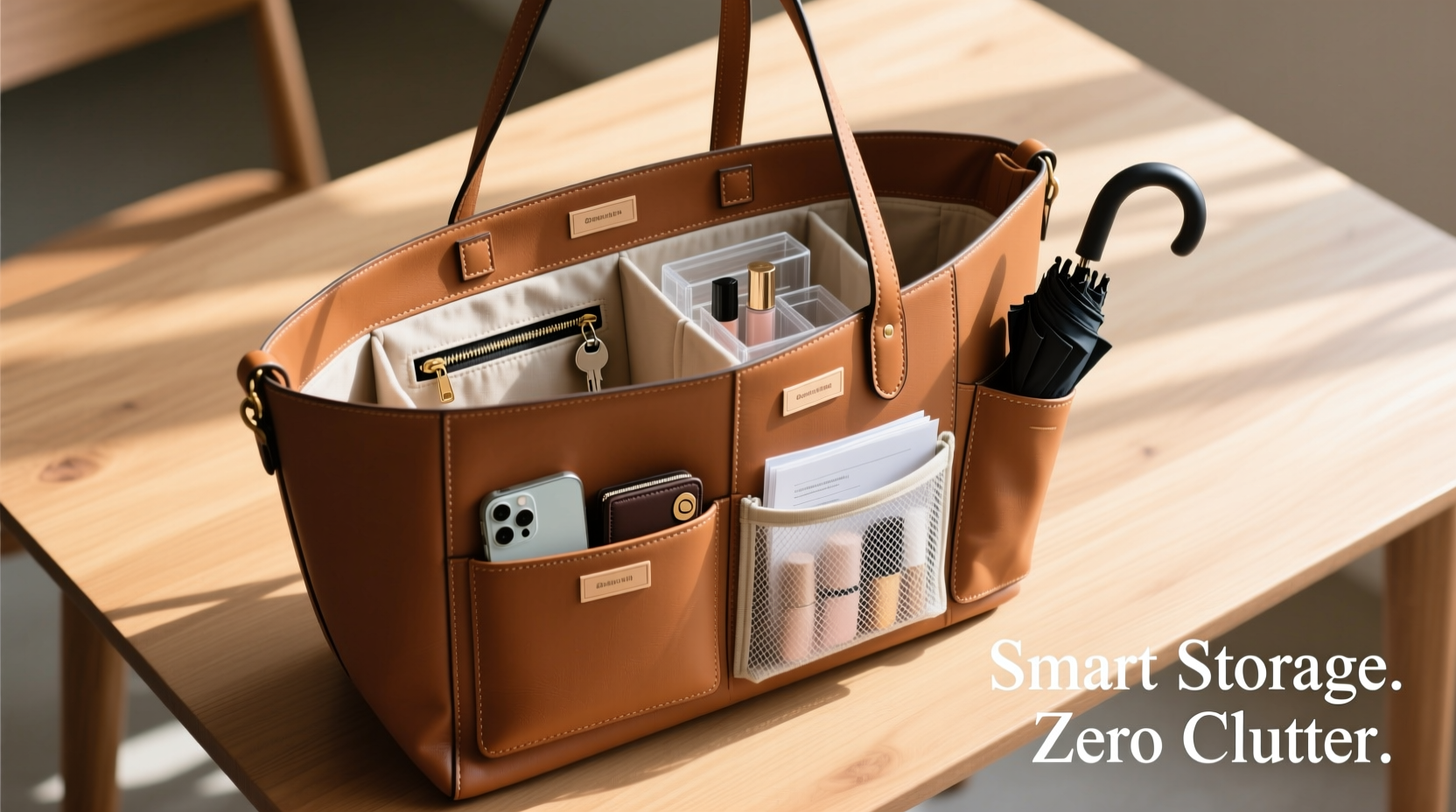
The first step in organizing any handbag is understanding what actually belongs inside it. Many people carry items “just in case,” from old receipts to dried-up pens, which accumulate over time and take up valuable space. Begin by emptying your bag completely onto a clean surface. Sort everything into categories: daily essentials, occasional items, and unnecessary clutter.
Ask yourself: When was the last time I used this? Do I need this every day? Could this be replaced easily if needed? Be ruthless. If an item hasn’t been used in the past month and isn’t essential for emergencies, consider leaving it at home or storing it elsewhere.
Use Internal Organization Tools
Even the largest bags benefit from internal structure. Without designated zones, items shift around, get buried, or become damaged. Invest in organizational accessories that fit your bag’s dimensions and usage pattern.
- Pouches and zippered compartments: Use clear vinyl or fabric pouches to separate makeup, tech cables, medications, or snacks. Label them if helpful.
- Interior organizers: Slim inserts with pockets for phones, cards, and pens prevent these small items from sinking to the bottom.
- Mini handbags within your handbag: A structured clutch or crossbody wallet keeps frequently accessed items together and reduces digging.
- Styling hack: Choose coordinating colors or neutral tones for your organizers so they blend seamlessly with your bag’s interior.
For those who switch between different bags, modular pouches are ideal. Transfer only the essentials from one bag to another in seconds, maintaining consistency no matter which tote you’re using that day.
Implement the Zone System
Think of your handbag like a well-designed office: each department has its place. The zone system divides your bag into functional areas, making retrieval intuitive and fast.
- Top Layer – Immediate Access: Reserve this space for items you use hourly—phone, lip balm, sunglasses, hand sanitizer, transit card.
- Middle Compartment – Daily Essentials: Store wallet, keys, notebook, pens, and reusable cutlery here. Use a slim organizer to keep these upright and visible.
- Bottom Section – Bulk Items: Place heavier or less-used items like a sweater, umbrella, or tablet in padded sleeves at the base. This also helps maintain bag balance.
- Side Pockets – Quick-Grab Zones: Utilize exterior or interior side pockets for water bottles, umbrellas, or coffee cups—items you want easy access to without opening the main compartment.
| Zone | Recommended Items | Items to Avoid |
|---|---|---|
| Top Layer | Phone, keys, lip balm, hand sanitizer | Bulk cosmetics, loose change, snacks |
| Middle Compartment | Wallet, planner, pens, tissues | Old receipts, expired coupons |
| Bottom Section | Laptop, book, reusable bag, water bottle | Fragile items without padding |
| Side Pockets | Umbrella, travel mug, phone charger | Wet items, heavy tools |
Real Example: Maria’s Work Bag Transformation
Maria, a project manager, carried a large satchel daily but spent minutes each morning searching for her badge or pen. After applying the zone system, she assigned specific areas: her ID badge now hangs on a clip near the top zipper, her stylus fits in a dedicated pen sleeve, and her notepad stays upright in a back pocket. Within a week, she reduced her morning prep time by four minutes and stopped replacing lost items monthly.
“Efficiency isn’t about carrying less—it’s about knowing exactly where everything is.” — David Lin, Productivity Consultant
Create a Weekly Reset Routine
Organization isn’t a one-time fix; it requires maintenance. Just as you tidy your desk weekly, your handbag needs regular resets. Set a recurring reminder—every Sunday evening works well—to perform a quick refresh.
This routine should include:
- Emptying all contents
- Wiping down the interior with a dry microfiber cloth (or slightly dampened for fabric linings)
- Checking for spills, crumbs, or moisture damage
- Refilling consumables like hand lotion or tissues
- Reassessing whether current organizers still serve their purpose
Over time, your needs may shift—a new job might require fewer notebooks but more tech gear. Your bag’s layout should evolve accordingly.
Checklist: Weekly Handbag Reset
- Empty entire bag
- Dust or wipe interior surfaces
- Discard trash and expired items
- Recharge power bank (if carried)
- Restock tissue packets and hand sanitizer
- Verify placement of key zones
- Inspect organizers for wear and tear
Choose the Right Bag for Your Lifestyle
No organizational system can fully compensate for a poorly suited bag. Evaluate whether your current tote aligns with your daily responsibilities. A student hauling textbooks needs different features than a commuter carrying a tablet and lunch.
When selecting or assessing a large handbag, look for:
- Multiple compartments: At least one zippered section for valuables and open pockets for quick access.
- Durable lining: Stain-resistant or wipeable fabric makes cleaning easier.
- Structured shape: Bags that hold their form prevent items from shifting unpredictably.
- Comfortable weight distribution: Padded straps and balanced design reduce strain when fully loaded.
If your bag lacks built-in organization, don’t assume it’s a lost cause. Many users successfully retrofit older bags with removable inserts or custom dividers. The goal is functionality without sacrificing personal style.
FAQ: Common Questions About Handbag Organization
How many pouches should I use in one bag?
There’s no fixed number, but aim for three to five core organizers: one for tech, one for makeup, one for documents, one for hygiene items, and optionally, a catch-all for miscellaneous essentials. Too many pouches create their own clutter, so prioritize utility over quantity.
What’s the best way to prevent my bag from becoming too heavy?
Regularly audit your load. Remove duplicates (like multiple pens or packs of gum), opt for multi-use products (a tinted moisturizer instead of foundation and blush), and carry digital versions of paper items whenever possible. Also, consider switching to a lightweight bag material like nylon when appropriate.
Can I organize a soft, unstructured tote effectively?
Yes, but it requires discipline. Use rigid-bottom organizers or insert a lightweight tray to maintain shape. Stick strictly to the zone system and avoid overfilling, which causes soft bags to collapse and mix contents.
Final Thoughts: Turn Chaos Into Control
A large handbag should empower you, not weigh you down. By implementing smart categorization, using purpose-built organizers, and maintaining a simple weekly reset, you reclaim time, reduce stress, and protect your belongings. Clarity begins not with size, but with system. The most elegant bag in the world is only as effective as the order within it.




 浙公网安备
33010002000092号
浙公网安备
33010002000092号 浙B2-20120091-4
Comments
No comments yet. Why don't you start the discussion?