
In an era where minimalism meets high fashion, the mini designer wallet has become a staple in modern wardrobes. Compact, chic, and often statement-making, these wallets are more than accessories—they’re functional tools that reflect personal style and daily habits. However, their small size presents a unique challenge: how to fit essentials without sacrificing accessibility or elegance. The solution lies not in carrying more, but in organizing smarter. With thoughtful planning and intentional design, a mini wallet can deliver maximum utility while maintaining its sleek profile.
Assess Your Daily Essentials
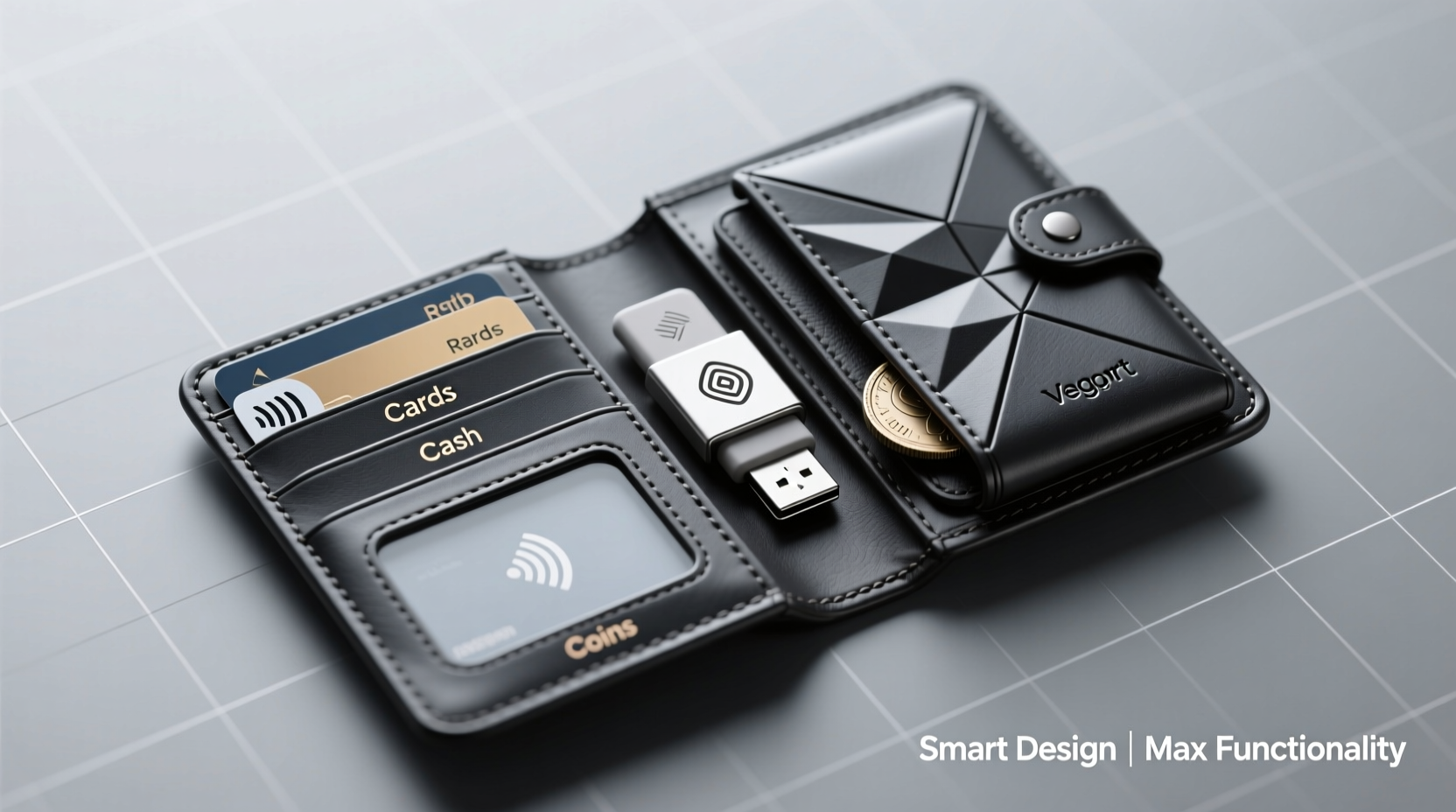
The foundation of an efficient wallet begins with honest evaluation. Before placing anything inside, take inventory of what you actually use on a daily basis. Many people carry outdated receipts, duplicate cards, or expired IDs simply out of habit. Start by emptying your current wallet completely and laying everything out. Ask yourself: which items do I reach for multiple times a day? Which ones sit untouched for weeks?
Most users only need four to six cards regularly—typically a driver’s license, one credit card, one debit card, health insurance, and perhaps a loyalty card. Cash usage varies, but if you rarely use bills, consider leaving them at home and relying on mobile payments. This step isn’t about restriction; it’s about relevance. By curating only what matters, you create room for better organization and faster access.
Choose the Right Wallet Layout
Not all mini wallets are created equal. Some prioritize card slots over cash capacity, while others offer hidden compartments or removable coin pouches. Understanding your lifestyle helps determine the ideal structure. For instance, frequent travelers may benefit from RFID-blocking sleeves, while urban commuters might prefer quick-access external slots.
Common configurations include:
- Bifold with slim profile: Ideal for holding folded cash and up to four cards.
- Cardholder with money clip: Combines secure cash retention with easy card swiping.
- Front-pocket minimalist: Designed to eliminate bulk and reduce sitting discomfort.
- Wristlet-style mini wallet: Adds versatility with detachable straps for evening use.
Selecting based on function—not just aesthetics—ensures long-term satisfaction. A beautifully crafted wallet is only as good as its ability to serve your routine.
Wallet Type vs. Functionality Comparison
| Wallet Type | Best For | Limits | Recommended Cards |
|---|---|---|---|
| Bifold Mini | Daily errands, balanced storage | Limited card capacity | 4–6 cards + folded bill |
| Horizontal Cardholder | Quick access, front-pocket carry | No cash space | 5–7 cards only |
| Mini Wristlet | Night outs, hands-free convenience | Bulkier when full | 3–5 cards + small bills |
| All-in-One Compact | Travelers needing ID, cards, coins | Heavier due to features | 6 cards + passport sleeve |
Implement a Smart Internal System
Organization isn’t just about what goes in—it’s about how it’s arranged. A well-thought-out internal layout reduces fumbling and enhances confidence during transactions. Begin by assigning roles to each slot:
- Primary card (left inner slot): Place your most-used credit or debit card here for instinctive retrieval.
- ID and insurance (middle or top slot): These are frequently requested, so keep them visible but protected.
- Backup payment (opposite side): A second card for emergencies or rewards programs.
- Rear pocket or cash sleeve: Store a single folded bill for tips or small purchases.
- Hidden compartment: Use for emergency cash or a spare key—only if your model supports it.
Avoid stacking multiple cards in one slot. Over time, this causes wear and makes extraction difficult. Instead, rotate lesser-used cards monthly based on current needs—such as seasonal store cards or event tickets.
“Efficiency in design starts with intentionality. Every item in your wallet should have a purpose and a place.” — Lena Park, Product Design Consultant at Urban Carry Co.
Real-Life Example: From Cluttered to Streamlined
Sophie, a graphic designer in Brooklyn, carried a once-luxurious mini wallet that had turned into a stress point. She constantly dropped cards while rushing to pay for coffee and often forgot her MetroCard until she was already at the turnstile. After auditing her contents, she discovered she was carrying 11 cards—including two expired gym memberships—and $47 in loose bills.
She reorganized using a horizontal leather cardholder with six designated slots. Her driver’s license went into the front-facing window, her contactless credit card in the immediate left slot, and her transit card behind it for fast access. She kept only one folded $20 bill in the rear sleeve and stored duplicates at home. Within a week, her morning routine became smoother, and she reported feeling more composed throughout the day. The change wasn’t in the wallet itself—but in how she used it.
Monthly Maintenance Routine
Just like any tool, a wallet performs best when maintained. Establish a simple monthly ritual to reset and refresh:
- Empty all contents completely
- Wipe interior with a dry microfiber cloth
- Discard expired cards, receipts, or unnecessary paper
- Reassess card priority based on recent usage
- Inspect stitching and edges for early signs of wear
- Condition leather if applicable (every 2–3 months)
This brief process takes less than ten minutes but prevents long-term disarray. It also creates awareness around spending habits—seeing every card laid out can reveal unused subscriptions or redundant services.
Frequently Asked Questions
Can I fit coins in a mini designer wallet?
Most mini wallets aren’t designed for coins, as they add weight and strain seams. If you frequently handle small change, consider a detachable coin pouch or rely on digital payments. Some premium models include snap-closure coin compartments, but these tend to increase bulk.
How do I protect my cards from RFID skimming?
If security is a concern, opt for a wallet with built-in RFID-blocking material. These shield credit cards and passports from unauthorized scanning. Look for products tested to block frequencies between 13.56 MHz and 900 MHz, which cover most contactless theft devices.
Is it okay to carry my phone and wallet together?
While convenient, stacking your phone directly against magnetic cards can demagnetize strips over time. Additionally, constant friction may scratch delicate wallet finishes. Use a crossbody bag or coat pocket to separate them when possible.
Final Thoughts: Function Meets Fashion
A mini designer wallet doesn’t have to compromise practicality for beauty. When organized with precision, it becomes an extension of your rhythm—streamlining daily interactions and reducing mental load. The most elegant accessory isn’t the one that draws the most attention, but the one that works seamlessly in the background.
Start today: empty your wallet, evaluate each item, and rebuild it with purpose. Whether you're navigating a busy workweek or enjoying a weekend getaway, a well-organized mini wallet empowers you to move through the world with ease and confidence.




 浙公网安备
33010002000092号
浙公网安备
33010002000092号 浙B2-20120091-4
Comments
No comments yet. Why don't you start the discussion?