
A large capacity day pack offers the freedom to carry everything you need—from work tools and tech gear to snacks, hydration, and emergency supplies. But without intentional organization, even the most spacious bag can become a chaotic jumble where items vanish into hidden corners. The key to maximizing utility isn’t just having space—it’s using it wisely. By applying strategic packing principles, compartmentalization techniques, and daily routines, you can transform your day pack into a streamlined extension of your personal workflow.
Understand Your Daily Load Profile
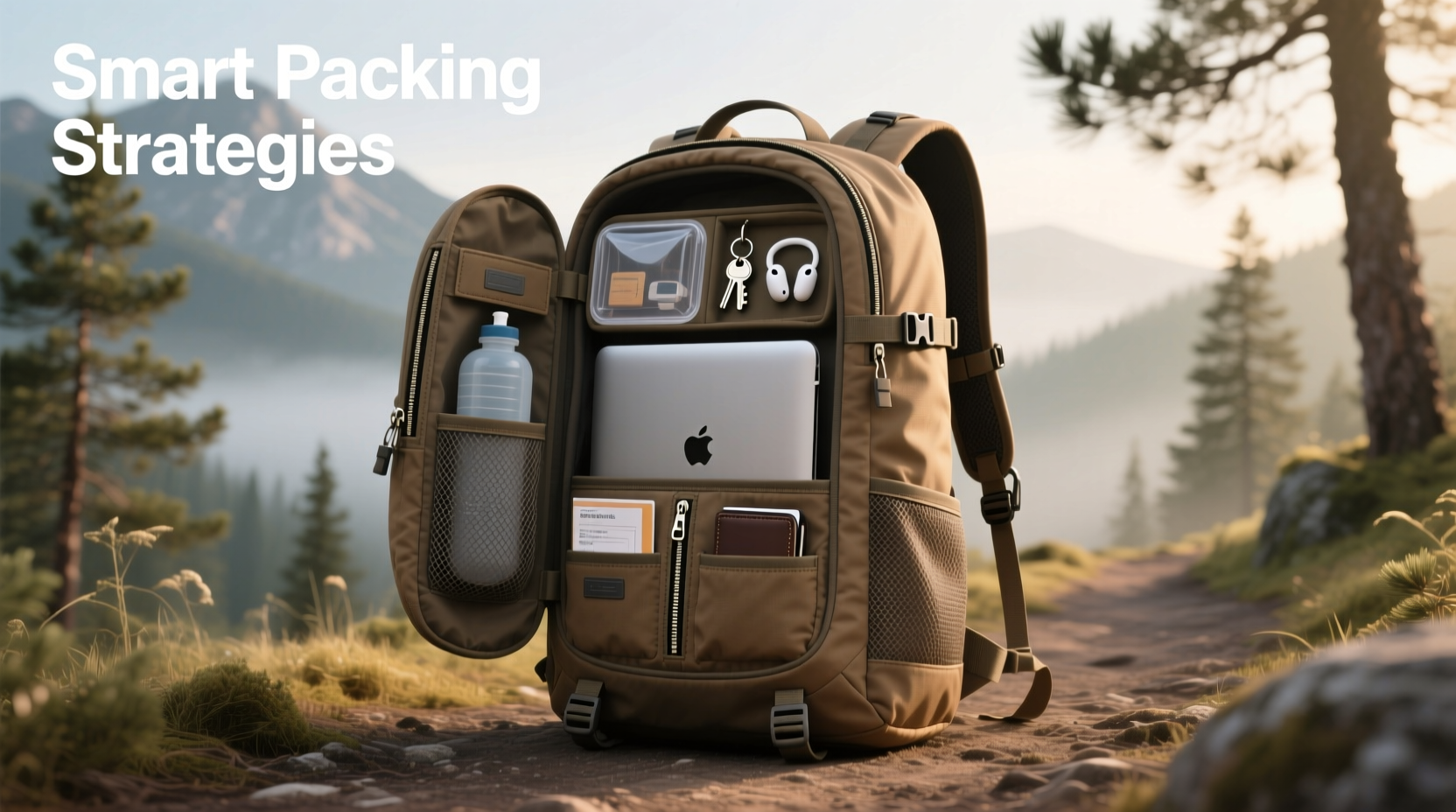
Before organizing anything, assess what you actually carry on a typical day. This “load profile” varies significantly between students, professionals, urban commuters, outdoor enthusiasts, or hybrid travelers. A teacher might need lesson plans, grading pens, and student handouts; a freelancer may prioritize laptop, charger, notebook, and noise-canceling headphones.
Start by listing every item you bring regularly. Then categorize them:
- Essentials: Phone, wallet, keys, ID
- Work Tools: Laptop, tablet, notebooks, pens
- Personal Care: Hand sanitizer, lip balm, tissues, sunglasses
- Nutrition & Hydration: Water bottle, snacks, thermos
- Emergency/Backup: Umbrella, spare mask, power bank
This audit reveals patterns—what’s used frequently versus occasionally—and helps determine optimal placement within the pack.
Apply the Zone-Based Packing System
Think of your day pack as a workspace with designated zones—like drawers in a desk. Each zone serves a function and houses related items. Most large-capacity packs have multiple compartments: main cavity, front organizer panel, side pockets, top lid, and hydration sleeve. Use them intentionally.
| Compartment | Purpose | Recommended Contents |
|---|---|---|
| Main Cavity | Primary storage for bulkier items | Laptop (in padded sleeve), books, jacket, lunchbox |
| Front Organizer Panel | High-access tools and small essentials | Pens, notepad, USB drive, earbuds, phone |
| Side Pockets | Quick-grab hydration and accessories | Water bottle, umbrella, travel mug |
| Top Lid Pocket | Frequently needed small items | Keys, transit card, lip balm, face mask |
| Hydration Sleeve / Back Panel | Dedicated tech or document protection | Tablet, passport wallet, folder |
Zoning reduces search time and protects delicate items. For example, placing your water bottle in a dedicated side mesh pocket prevents leaks from soaking electronics in the main chamber.
“Efficiency in carrying begins with spatial intelligence. Treat your pack like a command center—not a dumping ground.” — Jordan Lee, Urban Mobility Consultant
Use Internal Organization Tools
Even with built-in compartments, many packs benefit from added structure. Insertable organizers turn amorphous spaces into functional units. Consider these tools:
- Compression cubes: Ideal for flattening clothing or grouping similar items (e.g., chargers + cables).
- Pen rolls or tech sleeves: Prevent ink smudges and cable tangling.
- Zippered pouches: Label them (e.g., “First Aid,” “Cables”) for instant recognition.
- Slip pockets or file dividers: Keep flat documents upright and accessible.
Choose organizers based on material compatibility. Avoid rigid containers that distort the pack’s shape or create pressure points on your back. Soft-sided, lightweight nylon or recycled PET fabric works best.
Mini Case Study: The Commuter Who Found 15 Minutes a Day
Sophie, a project manager in Chicago, used to waste time digging through her 30L day pack at train stations and meetings. She carried everything but could never find her transit pass or meeting notes. After implementing a zone-based system with labeled pouches and a weekly reset routine, she reduced retrieval time by over 70%. “I now open my front pocket and see exactly where everything is,” she says. “It’s like muscle memory—I don’t think about it anymore.” Her redesigned system saved her an estimated 15 minutes per day, which she reinvests in morning planning.
Follow a Step-by-Step Evening Reset Routine
Maintaining order requires consistency. Just as chefs reset their stations after service, adopt a nightly reset ritual to keep your pack ready for tomorrow.
- Empty completely: Remove all contents and inspect for crumbs, spills, or forgotten receipts.
- Clean surfaces: Wipe down interior with a microfiber cloth; spot-clean stains if needed.
- Recharge & refill: Plug in power banks, replace used tissues, refill water bottle.
- Restock essentials: Return wallet, keys, and daily must-haves to their zones.
- Pre-load tomorrow’s items: Add presentation materials, gym clothes, or client gifts.
- Verify weight distribution: Ensure heavy items (laptop, books) sit close to your back and centered.
This six-step process takes less than ten minutes but ensures you start each day with clarity and control.
Optimize for Accessibility and Ergonomics
No matter how well organized, a poorly packed bag becomes a burden. Weight distribution affects posture, shoulder strain, and fatigue. Follow these ergonomic guidelines:
- Place heaviest items (laptop, textbooks) in the center-back panel, nearest to your spine.
- Avoid overloading side pockets—unbalanced weight pulls the pack sideways.
- Keep frequently accessed items in upper or front zones to minimize bending or unzipping.
- Use compression straps to stabilize contents and reduce internal shifting.
If your pack has a chest or waist strap, use them during extended walks or commutes. They transfer load from shoulders to stronger core muscles, reducing strain by up to 40%, according to biomechanical studies cited by the American Chiropractic Association.
Essential Packing Checklist
Use this checklist daily or weekly to maintain consistency:
- ✅ Charge all devices overnight
- ✅ Refill water bottle and seal tightly
- ✅ Verify weather-appropriate items (umbrella, sun hat)
- ✅ Organize cables with twist ties or wraps
- ✅ Store snacks in leak-proof containers
- ✅ Position emergency kit in easily reachable pocket
- ✅ Adjust straps for proper fit before leaving home
FAQ
How do I prevent my bag from becoming too heavy?
Limit non-essential items and perform regular audits. A fully loaded day pack should not exceed 10–15% of your body weight. Use digital alternatives when possible—e-books instead of physical books, cloud storage over printed copies.
What’s the best way to organize charging cables?
Use a dedicated cable wrap or a small zippered pouch with labeled slots. Wrap cables neatly and secure with Velcro or elastic loops. Include adapter tags if you carry multiple types (USB-C, Lightning, micro-USB).
Can I use the same system for hiking and office use?
Yes—with modifications. While the zone principle remains consistent, swap out work items for trail essentials (first aid, map, headlamp). Use removable organizers so you can reconfigure the bag based on purpose.
Final Thoughts: Turn Chaos Into Confidence
An efficiently organized day pack does more than hold your belongings—it supports your rhythm, reduces stress, and enhances productivity. When every item has a place and purpose, you move through your day with confidence, not confusion. The strategies outlined here aren’t one-size-fits-all, but they provide a framework adaptable to any lifestyle. Whether you’re navigating city streets, campus paths, or weekend trails, a well-organized pack becomes a silent partner in your success.




 浙公网安备
33010002000092号
浙公网安备
33010002000092号 浙B2-20120091-4
Comments
No comments yet. Why don't you start the discussion?