
A large capacity tote is a powerful ally in daily life—ideal for work, travel, gym sessions, or weekend getaways. But its generous volume can quickly become a liability if not managed intentionally. Without a system, it’s easy to fall into the trap of overpacking, disorganization, or constant digging for misplaced items. The key isn’t just filling space—it’s using it wisely. With smart strategies, you can transform your tote from a chaotic catch-all into a streamlined extension of your routine.
1. Start with Intentional Categorization
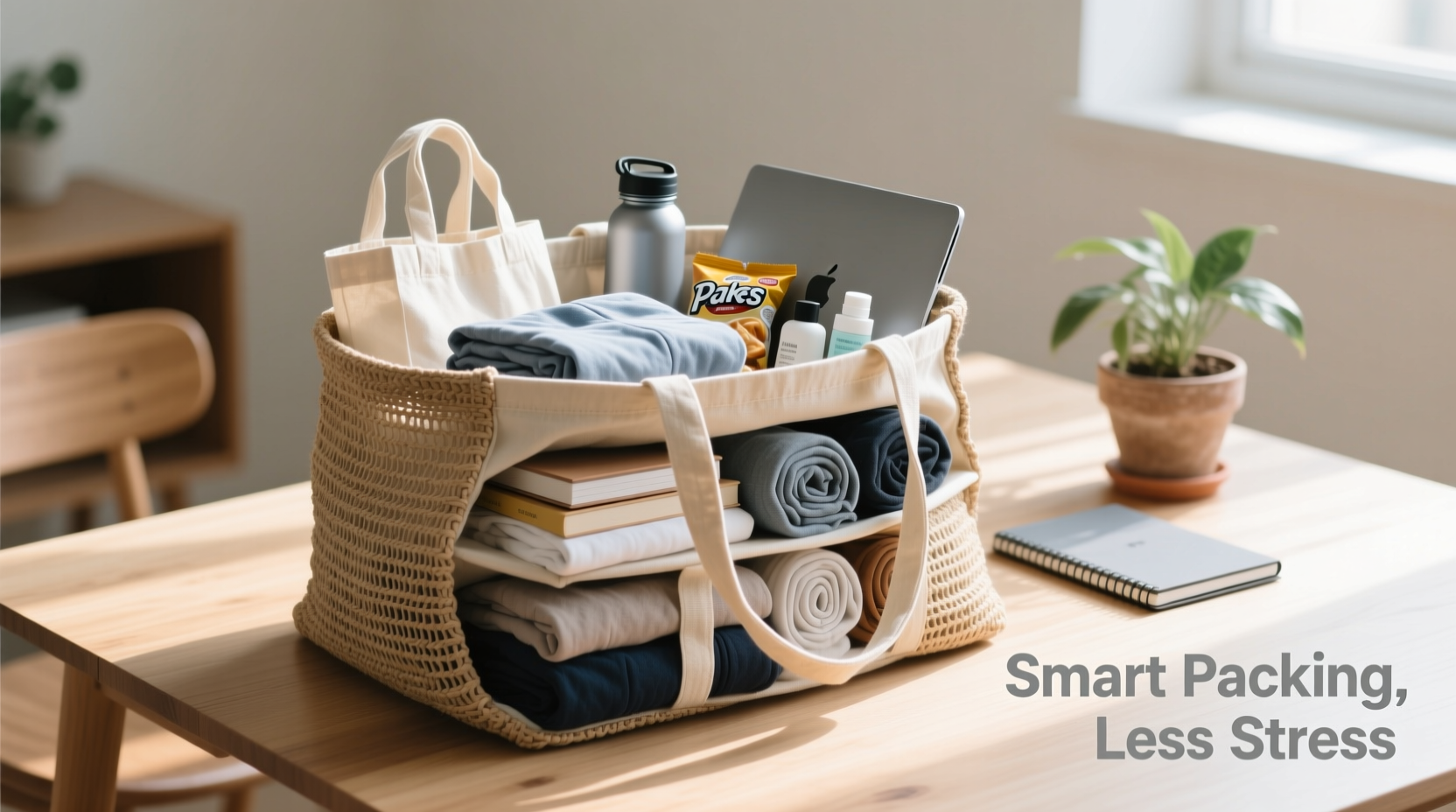
Before placing anything inside your tote, define its primary purpose. Is it a work bag? A travel companion? A hybrid carryall? Clarity at this stage prevents unnecessary clutter. Once the role is set, divide contents into logical categories such as:
- Work essentials (laptop, notebook, pens)
- Personal items (wallet, phone, keys)
- Health & hygiene (hand sanitizer, tissues, medications)
- Nutrition (reusable water bottle, snacks)
- Extras (umbrella, sweater, book)
Categorizing helps you assess what truly belongs. It also sets the foundation for compartmentalization—a critical step in avoiding visual and physical clutter.
2. Optimize Layout with Strategic Layering
Efficient packing mimics architectural design: strong foundation, organized middle, accessible top layer. Apply this principle by loading your tote in three stages.
- Base Layer: Place heavy, non-urgent items at the bottom—laptops, notebooks, or water bottles. This stabilizes the bag and prevents top-heaviness.
- Middle Zone: Nestle frequently used but less urgent items here—files, chargers, or extra cables—in dedicated sleeves or padded cases.
- Top Tier: Keep everyday-access items visible and within reach—phone, sunglasses, lip balm, transit card.
This vertical organization reduces strain on your back and eliminates the need to upend your bag searching for small essentials.
Do’s and Don’ts of Tote Layering
| Do | Don’t |
|---|---|
| Place heavier items at the bottom | Load light items first, creating imbalance |
| Use internal organizers for mid-layer stability | Let loose cords or pens roll freely |
| Keep emergency items near the top | Bury frequently used tools under books |
| Roll soft items like scarves to fill gaps | Overstuff to the point of zipper strain |
3. Leverage Containers and Compression
Just as shipping containers revolutionized cargo transport, interior organizers revolutionize tote efficiency. Invest in a few simple tools:
- Zippered pencil cases: Ideal for small electronics, cords, and stationery.
- Mesh laundry bags: Lightweight and see-through—perfect for separating snacks or toiletries.
- Neoprene laptop sleeves: Provide protection while maintaining shape.
- Compression cubes (mini version): Though typically used in luggage, compact versions help consolidate folders, clothing, or towels.
These containers act as micro-zones, preventing items from migrating across the bag. They also make transferring contents between bags seamless—for instance, moving your work essentials from a tote to a backpack during travel.
“Organization isn’t about owning more tools—it’s about reducing decision fatigue. When everything has a home, you stop wasting mental energy searching.” — Lena Patel, Productivity Consultant
4. Real-World Example: The Commuter’s Transformation
Sophie, a project manager in Chicago, used to spend 10 minutes every morning digging through her oversized canvas tote for her transit pass, only to arrive at the office with a crumpled blouse and tangled headphones. After adopting structured packing, she redesigned her system:
- Assigned a bright red pouch exclusively for transit and ID cards—placed at the very top.
- Used a padded sleeve for her tablet and placed it directly above her laptop for balanced weight distribution.
- Added a ventilated mesh bag for her lunch container, preventing condensation damage to documents.
- Reserved one side pocket for her umbrella and the other for hand sanitizer and tissues.
The result? She cut her morning prep time in half and stopped replacing damaged electronics. Her tote now supports her day instead of complicating it.
5. Maintain Efficiency with a Weekly Reset
Even the best system degrades without maintenance. Schedule a 15-minute weekly review to reset your tote. Follow this checklist:
- Empty all contents completely
- Wipe down interior with a disinfectant cloth
- Remove unused or expired items (old receipts, dried-out pens)
- Reassess category balance—did you consistently use all sections?
- Repack based on upcoming week’s needs (e.g., add workout clothes on Mondays)
- Check for wear and tear—repair zippers or lining before failure
This ritual ensures your tote evolves with your schedule. It also prevents the accumulation of “tote trash”—those forgotten granola bar wrappers, dead batteries, and outdated sticky notes that silently erode functionality.
Frequently Asked Questions
How do I avoid overpacking when my tote feels “underused”?
Resist the urge to fill empty space simply because it exists. Ask: “Will I genuinely need this today?” If not, leave it behind. A partially filled but well-organized tote outperforms an overstuffed one every time.
What’s the best way to pack a tote for air travel?
Follow TSA guidelines first—liquids in a clear quart-sized bag, electronics easily accessible. Then, layer strategically: passport and boarding pass in an outer slip pocket, noise-canceling headphones in a designated case, and a folded sweater at the base for cushioning. Include a foldable tote inside your main one for duty-free purchases or dirty laundry.
Can I use the same tote for work and weekend trips?
Yes—but adapt it dynamically. Swap work-specific items (laptop, portfolio) for travel essentials (toiletry kit, charger, paperback). The structure stays consistent; only the contents shift. This flexibility maximizes value without requiring multiple bags.
Final Thoughts: Efficiency Is a Habit, Not a One-Time Fix
Packing a large tote efficiently isn’t about perfection—it’s about progress. The most effective systems are those that align with your real life, not an idealized version of it. By categorizing thoughtfully, layering intentionally, using containers wisely, and resetting regularly, you turn logistical chaos into calm competence.
A well-packed tote doesn’t just save time and reduce stress—it reflects a mindset of clarity and control. Every item has a purpose and a place. That sense of order spills over into how you approach your day.




 浙公网安备
33010002000092号
浙公网安备
33010002000092号 浙B2-20120091-4
Comments
No comments yet. Why don't you start the discussion?