
As the seasons shift from the soft warmth of spring to the crisp air of autumn, one wardrobe staple stands out for its versatility: the sweater. Often relegated to winter wardrobes, sweaters can—and should—play a central role in your transitional style. With thoughtful fabric selection, strategic layering, and intentional coordination, you can extend the life of your favorite knitwear across two distinct seasons. The key lies not in buying more, but in styling smarter.
Transitioning a sweater isn’t just about comfort or climate—it’s about maximizing your wardrobe’s potential. A lightweight merino crewneck worn over a collared shirt in May can evolve into a cozy layer beneath a trench coat in October. This guide breaks down the practical, stylish, and sustainable methods to make your sweaters work year after year, season after season.
Choose the Right Fabric for Seasonal Flexibility
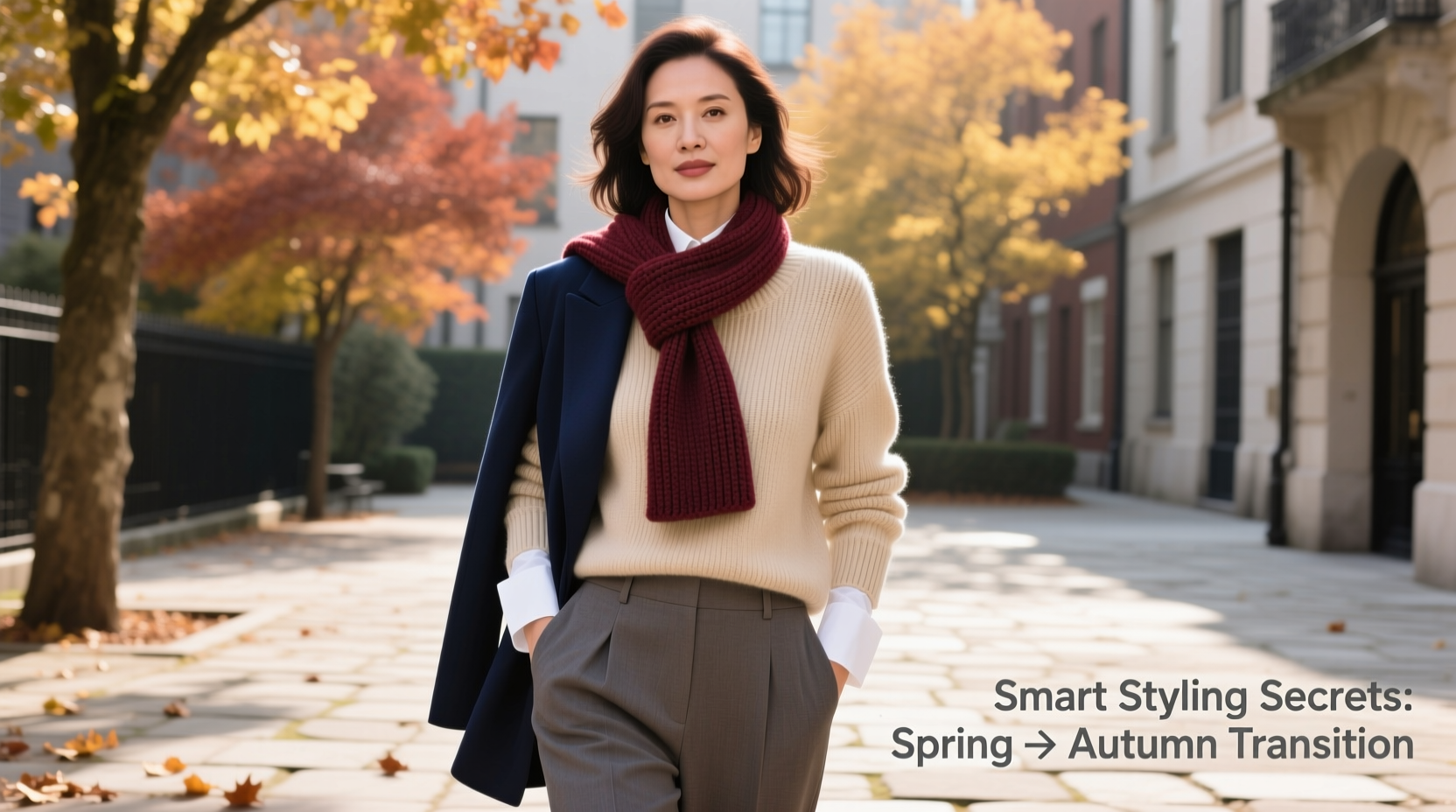
The foundation of a transitional sweater is its fabric. Not all knits are created equal when it comes to temperature regulation and breathability. Heavy cable knits or thick wool may be too warm for late spring, while ultra-thin cotton blends might lack substance as autumn nights grow colder.
Opt for natural fibers that balance warmth and airflow:
- Merino wool: Naturally temperature-regulating, moisture-wicking, and odor-resistant. Light enough for spring, warm enough for early fall.
- Cotton blends: Breathable and soft, ideal for layering. Look for cotton-modal or cotton-cashmere mixes for added drape and durability.
- Linen-cotton knits: Perfect for early spring and late summer evenings. They offer structure with breathability.
- Alpaca or cashmere (lightweight): Best for early autumn; avoid heavy versions until winter.
Master the Art of Layering
Layering is the cornerstone of transitional dressing. The same sweater can serve multiple roles depending on what’s beneath or above it. In spring, wear it as a light outer layer; in autumn, integrate it as a mid-layer under coats or jackets.
Spring Layering Strategy
In mild spring weather, treat your sweater as a breathable top layer over lighter garments:
- Over a button-down shirt (cotton or chambray) with sleeves rolled just below the sweater cuff.
- With a collared shirt underneath for a polished, preppy look—ideal for brunch or casual Fridays.
- Paired with chinos or tailored trousers to keep the silhouette refined.
Autumn Layering Strategy
As temperatures drop, reverse the logic: let the sweater become insulation beneath structured outerwear:
- Under a wool-blend trench coat or chore jacket for wind protection.
- Over a long-sleeve tee and under a denim jacket for a textured, urban look.
- With a scarf tucked at the neckline to add warmth and visual interest.
“Layering isn’t just functional—it’s a design principle. Each garment should contribute to both comfort and aesthetic harmony.” — Lena Torres, Fashion Stylist & Wardrobe Consultant
Color and Pattern Coordination Across Seasons
Colors play a psychological and practical role in seasonal dressing. Spring palettes lean toward pastels and earthy tones, while autumn embraces deeper hues like rust, olive, and navy. To bridge the gap, choose sweaters in neutral or transitional shades that adapt easily.
| Sweater Color | Spring Pairings | Autumn Pairings |
|---|---|---|
| Oatmeal / Cream | Light wash jeans, white sneakers, floral shirts | Tweed trousers, chocolate boots, charcoal coat |
| Moss Green | Khaki chinos, navy loafers, striped tees | Olive parka, dark denim, leather boots |
| Heather Grey | Pastel polos, beige shorts, canvas shoes | Black jeans, plaid flannel, bomber jacket |
| Rust / Terracotta | Cream linen pants, tan sandals | Brown corduroys, camel overcoat, suede brogues |
Patterns like subtle herringbone, fine cable knits, or tonal stripes also maintain relevance across seasons. Avoid bold holiday motifs or wintry Fair Isle designs if you want year-round usability.
Step-by-Step Guide: Transition Your Sweater in 4 Simple Moves
Follow this seasonal evolution plan to get the most mileage from a single sweater:
- Early Spring (March–April): Wear solo over a collared shirt or tee. Pair with cropped trousers or roll-up jeans. Footwear: clean sneakers or boat shoes.
- Late Spring (May–June): Use as a light cover-up during cool evenings. Drape over shoulders at outdoor dinners or wear unbuttoned as a cardigan substitute.
- Early Autumn (September): Reintroduce as a mid-layer. Combine with long-sleeve tees and lightweight jackets. Swap sneakers for ankle boots.
- Mid-Autumn (October–November): Layer under wool coats or field jackets. Add a scarf and switch to darker bottoms. Elevate with leather accessories.
Real Example: How Sarah Wore Her Merino Crewneck Year-Round
Sarah, a graphic designer in Portland, Oregon, owns one oatmeal-colored merino wool crewneck she’s worn for three years—not just through winters, but across springs and autumns. In April, she pairs it with cuffed raw denim and white leather sneakers for gallery openings. By September, she layers it over a black thermal shirt and adds a waxed cotton trucker jacket when biking to work.
Her secret? She pays attention to texture contrast. “In spring, I keep everything light and airy,” she says. “By fall, I introduce rugged pieces—boots, heavier denim, matte finishes—that ground the softness of the sweater.” This approach keeps her look fresh without requiring constant new purchases.
Checklist: Is Your Sweater Ready for Seasonal Transition?
Use this checklist before storing or reintroducing a sweater:
- ✅ Fabric is breathable and medium-weight (not too bulky or sheer)
- ✅ Color complements both spring pastels and autumn neutrals
- ✅ No pilling, stretched cuffs, or fading (repair minor issues promptly)
- ✅ Stored properly in a cedar-lined drawer or breathable cotton bag
- ✅ Paired with at least three different bottom options across seasons
- ✅ Can be layered effectively both under and over other garments
Frequently Asked Questions
Can I wear a sweater in humid spring weather?
Yes, but choose lightweight, moisture-wicking fabrics like merino wool or cotton-linen blends. Avoid thick knits or synthetic materials that trap sweat. Opt for short-sleeve or open-knit styles if needed.
How do I prevent my sweater from looking too wintery in spring?
Pair it with brighter, lighter accessories—pastel scarves, white sneakers, or printed shirts peeking at the collar. Keep the rest of the outfit airy and minimal to offset the sweater’s inherent warmth.
Should I invest in multiple transitional sweaters?
Start with one high-quality, neutral-toned piece. Master how to style it across seasons before expanding. Two well-chosen sweaters (e.g., one crewneck, one V-neck) can cover most transitional needs.
Conclusion: Style Smarter, Not Harder
Transitioning a sweater from spring to autumn isn’t about following trends—it’s about understanding fabric, fit, and function. By selecting adaptable materials, mastering layering techniques, and planning your color strategy, you create a wardrobe that moves with the calendar, not against it. Sustainability meets style when you wear what you already own with intention and creativity.




 浙公网安备
33010002000092号
浙公网安备
33010002000092号 浙B2-20120091-4
Comments
No comments yet. Why don't you start the discussion?