
Heating accounts for nearly half of the average household’s energy bill in colder climates. With rising energy costs and growing environmental concerns, homeowners are re-evaluating how they manage indoor temperatures. One major shift has been the move from manual thermostats to smart thermostats—devices that learn behavior, adapt to schedules, and optimize heating remotely. But does this automation actually lead to meaningful savings? Or is it just another tech-driven convenience with marginal benefits?
The answer isn’t as simple as “yes” or “no.” Real savings depend on user habits, home insulation, climate, and how effectively the smart thermostat is used. This article examines the true cost differences between manual and automated temperature control, backed by research, case studies, and expert insights.
How Manual Thermostats Work—and Their Limitations
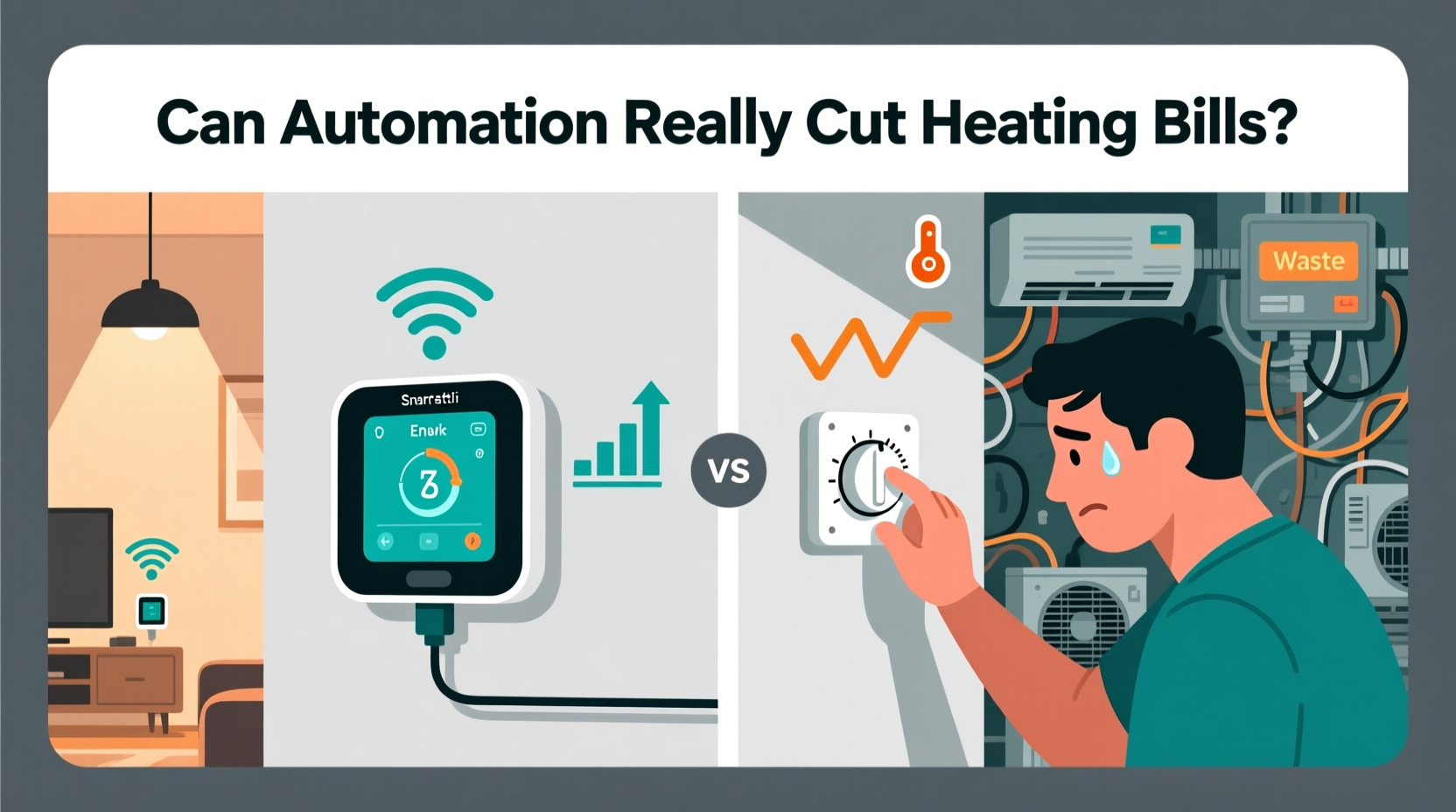
A manual thermostat requires users to physically adjust the temperature setting whenever they want a change. Whether it’s turning up the heat before bed or lowering it during work hours, every adjustment demands conscious effort. While some programmable thermostats allow pre-scheduled changes, many homeowners never set them properly—or override them so frequently that the intended efficiency gains vanish.
Studies from the U.S. Department of Energy show that only about 30% of households with programmable thermostats actually use them as intended. The rest either leave them at a constant temperature year-round or forget to update settings after vacations or seasonal shifts.
This behavioral gap creates inefficiency. For example, heating an empty house all day wastes energy, while forgetting to lower the temperature at night increases consumption unnecessarily. Manual systems rely heavily on discipline and consistency—traits most people struggle to maintain over time.
Smart Thermostats: Automation That Learns (and Adapts)
Smart thermostats like the Nest, Ecobee, and Honeywell Home T9 go beyond preset schedules. They use sensors, Wi-Fi connectivity, machine learning, and occupancy detection to dynamically adjust heating based on real-time conditions.
Key features include:
- Learning algorithms: After a few days of manual adjustments, the device begins predicting preferred temperatures.
- Remote access: Adjust settings from your phone, even when away from home.
- Occupancy sensing: Turns down heat when no one is home and resumes before arrival.
- Weather adaptation: Uses local forecasts to preheat or delay heating during mild spells.
- Energy reports: Monthly summaries show usage patterns and suggest improvements.
Unlike manual models, smart thermostats don’t require perfect user behavior. They compensate for forgetfulness. If you leave the house without adjusting the temperature, motion sensors detect absence and initiate an “away” mode automatically.
“Automation removes the human inconsistency factor. A smart thermostat doesn’t forget to turn down the heat—it acts on your behalf, consistently.” — Dr. Linda Chen, Energy Efficiency Researcher at MIT Sloan School of Management
Do Smart Thermostats Actually Save Money?
The claim that smart thermostats reduce heating bills by 10–23% is widely cited—but where does it come from?
A comprehensive 2021 study by the American Council for an Energy-Efficient Economy (ACEEE) analyzed over 1,800 homes using Nest thermostats. It found an average savings of **10–12% on heating** and **15% on cooling** annually. However, the range varied significantly: some households saved up to 20%, while others saw no savings—or even slight increases.
Why the disparity?
Savings depend largely on baseline behavior. Homes that already practiced diligent manual setback strategies (e.g., lowering heat by 7–10°F at night or when away) gained less from automation. In contrast, homes with constant temperatures or erratic adjustments saw the largest reductions.
Another key factor is home characteristics. Well-insulated, modern homes respond better to precise scheduling because they retain heat longer. Older homes with drafty windows may lose warmth too quickly for minor setbacks to matter—though smart thermostats can still help by avoiding overheating.
Real-World Case Study: The Miller Family in Vermont
The Millers lived in a 1970s ranch-style home in northern Vermont, relying on an old manual thermostat. They kept the heat at 72°F around the clock during winter, fearing discomfort if they lowered it. Their average heating bill from November to March was $285 per month.
In January, they installed an Ecobee SmartThermostat with room sensors. Over the next two weeks, they adjusted temperatures normally, allowing the system to learn their routine. By February, the thermostat had established a pattern: lowering heat to 62°F during work hours, warming the house 30 minutes before arrival, and maintaining 68°F at night.
Results:
- February heating bill: $218 (23.5% reduction)
- March heating bill: $204 (28% reduction, aided by milder weather and consistent automation)
- Annual projected savings: $960
The family reported no drop in comfort. In fact, they appreciated the pre-heated mornings and remote control during unexpected delays.
Comparison: Smart vs. Manual Control
| Feature | Manual Thermostat | Smart Thermostat |
|---|---|---|
| User Effort Required | High – frequent adjustments needed | Low – learns and automates over time |
| Adaptability to Schedule Changes | Poor – requires manual override | Excellent – detects presence and adjusts |
| Remote Access | No | Yes – via smartphone app |
| Energy Usage Feedback | None | Detailed reports and tips |
| Average Heating Savings | 0–5% (if used optimally) | 10–20% (depending on starting habits) |
| Upfront Cost | $20–$50 | $100–$250 |
| Payback Period | N/A | 1.5–3 years (based on average savings) |
The table illustrates that while smart thermostats have a higher initial cost, their long-term value comes from automation, feedback, and reduced waste. For households with irregular schedules or poor manual discipline, the investment often pays for itself within two winters.
Maximizing Savings: A Step-by-Step Guide
Buying a smart thermostat isn’t enough. To achieve real bill reductions, follow this implementation plan:
- Assess your current heating habits. Track your thermostat settings for a week. Note when you adjust temperatures and whether you leave the house unattended for several hours.
- Choose the right model. Look for features like room sensors (helpful for multi-level homes), geofencing (uses phone location), and compatibility with your HVAC system.
- Install correctly. Place the thermostat away from direct sunlight, drafts, or heat sources to ensure accurate readings. Follow manufacturer guidelines or hire a professional.
- Use the learning phase wisely. For the first 5–7 days, manually adjust the temperature each time you feel too hot or cold. This trains the algorithm to your preferences.
- Enable occupancy and weather features. Turn on “Home/Away Assist” and allow weather integration so the device can respond to external conditions.
Review monthly energy reports. Most apps provide insights like “You heated an empty house for 3 hours on Tuesday.” Use this feedback to refine behavior.- Pair with other efficiency upgrades. A smart thermostat works best in homes with good insulation, sealed windows, and maintained furnaces.
Common Pitfalls That Cancel Out Savings
Even with a smart thermostat, mistakes can erase potential savings:
- Overriding the system too often: Constant manual adjustments confuse the learning algorithm and prevent optimization.
- Setting unrealistic comfort bands: Trying to maintain 75°F in winter leads to excessive runtime, regardless of automation.
- Ignoring maintenance: A dirty air filter or aging furnace reduces efficiency, making any thermostat less effective.
- Incorrect sensor placement: Installing the thermostat near a kitchen or sunny window causes false readings and short cycling.
Additionally, some users disable “away” mode out of concern for pipes freezing or pet comfort. While valid, these concerns can be managed with smart settings—like setting a minimum temperature of 55°F when away instead of disabling automation entirely.
FAQ: Your Top Questions Answered
Can I save money with a smart thermostat if I already turn down the heat when I leave?
If you’re already disciplined with setbacks and have a well-insulated home, savings may be modest—perhaps 5–8%. However, smart thermostats add convenience and precision, especially during irregular days or vacations when routines change.
Are smart thermostats worth it in mild climates?
In regions with moderate winters, heating usage is lower, so absolute savings will be smaller. However, the cooling savings in summer (from optimized AC scheduling) can make them worthwhile. Many users report greater benefits from cooling automation than heating.
Do utility companies offer rebates?
Yes—many electric and gas providers offer rebates of $50–$100 for installing ENERGY STAR-certified smart thermostats. Check programs like ENERGY STAR's Rebate Finder or your local utility’s website.
Conclusion: Automation Works—But Only When Used Right
Smart thermostats can cut heating bills, but they aren’t magic. Their value lies in compensating for human inconsistency. For households that forget to adjust temperatures, have unpredictable schedules, or leave the heat running constantly, automation delivers clear financial and comfort benefits.
However, technology alone won’t save money. Success depends on proper setup, realistic expectations, and pairing the device with broader energy-conscious habits. When used effectively, a smart thermostat becomes a silent partner in reducing waste—one that learns your life, adapts to your needs, and quietly lowers your bills month after month.




 浙公网安备
33010002000092号
浙公网安备
33010002000092号 浙B2-20120091-4
Comments
No comments yet. Why don't you start the discussion?