
Choosing the right dog toy isn’t just about color or squeakiness—it’s a critical decision that impacts your pet’s safety, dental health, and emotional well-being. Too small, and the toy becomes a choking hazard. Too large, and your dog loses interest. The key lies in matching the toy’s size, durability, and design to your dog’s breed, age, chewing style, and play habits. With millions of dogs suffering preventable injuries from inappropriate toys each year, selecting the correct size is more than convenience—it’s responsibility.
Understand Your Dog’s Size and Strength Profile
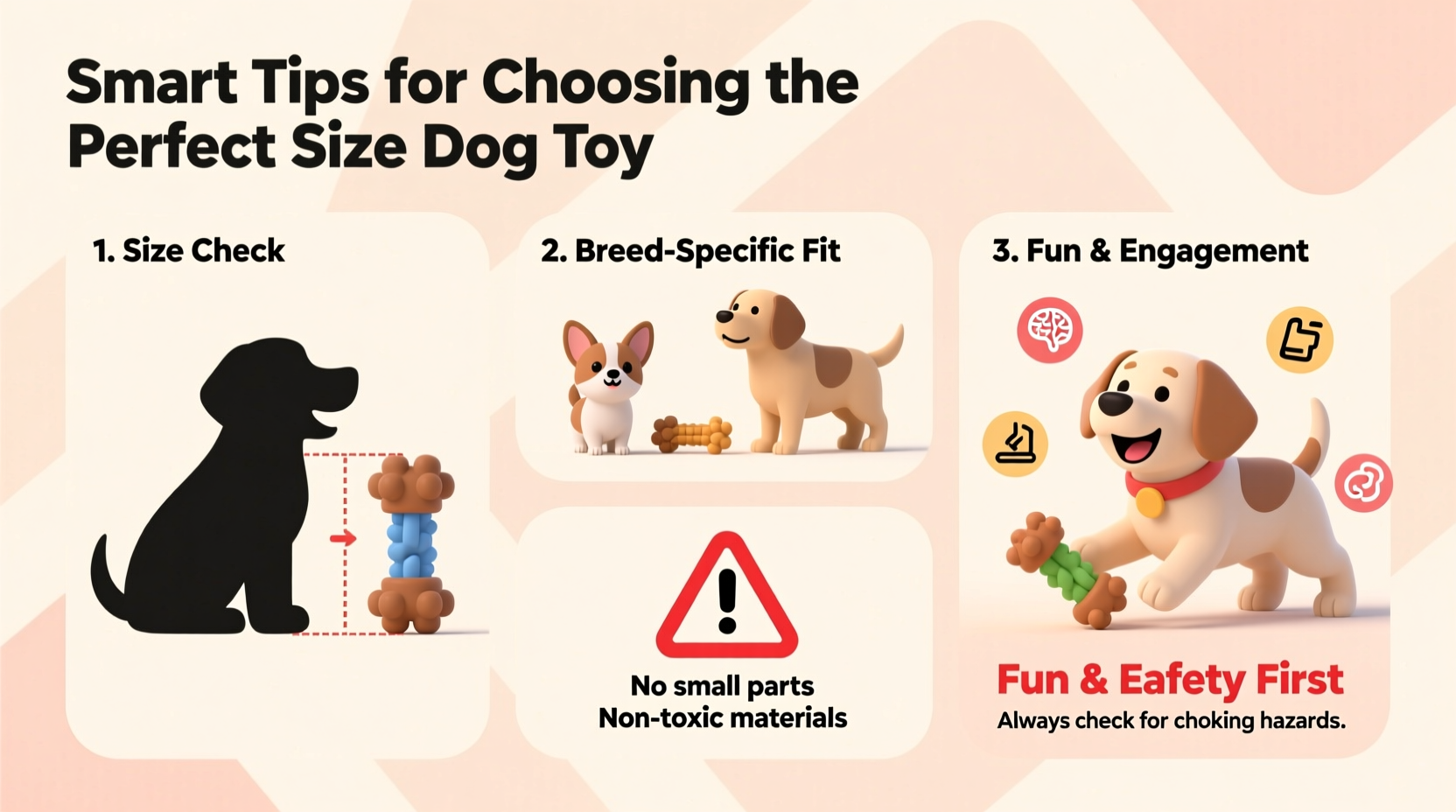
Dogs vary dramatically in jaw strength, mouth size, and play intensity. A Chihuahua’s ideal toy could be deadly for a Labrador, while a Great Dane might destroy a “tough” toy meant for medium breeds in minutes. Begin by assessing your dog’s physical characteristics:
- Small breeds (under 20 lbs): Tiny mouths mean toys should fit comfortably without requiring wide stretching. Avoid anything smaller than a tennis ball unless designed specifically for toy breeds.
- Medium breeds (20–50 lbs): These dogs often have strong jaws but aren’t power chewers. Focus on moderate durability and proportionate size—think baseball to grapefruit scale.
- Large and giant breeds (50+ lbs): Mastiffs, Rottweilers, and Huskies can exert over 300 pounds per square inch of bite force. Their toys must be oversized and built to resist shredding.
Match Toy Size to Play Style and Chewing Behavior
A dog’s personality matters as much as their weight. Some pups gently carry toys; others attack them like prey. Observe how your dog interacts with current toys:
- Passive players: Dogs who cuddle or carry toys need soft, appropriately sized plush items. Ensure eyes, noses, or buttons are securely attached and non-removable.
- Fetch enthusiasts: Prioritize aerodynamic shapes and durable materials. The toy should be easy to pick up but too large to fit entirely in the mouth.
- Aggressive chewers: Look for reinforced rubber or nylon toys labeled “indestructible” or “heavy-duty.” These should extend beyond the dog’s muzzle when gripped.
Size misalignment often leads to destructive behavior. A bored German Shepherd given a tiny squeaky toy may shred it within minutes—not out of malice, but frustration.
Toy Selection Checklist: Safety First
Use this checklist before purchasing any dog toy to ensure it fits your pet properly and safely:
- ✅ Toy is too large to fit entirely into the dog’s mouth
- ✅ No small, detachable parts (eyes, tags, ropes)
- ✅ Made from non-toxic, BPA-free materials
- ✅ Appropriate for the dog’s current life stage (puppy, adult, senior)
- ✅ Resistant to splitting or fraying under pressure
- ✅ Easy to clean and disinfect regularly
- ✅ Matches the dog’s typical chewing force
Common Sizing Mistakes and How to Avoid Them
Even well-meaning owners make errors. Here’s a breakdown of frequent pitfalls:
| Mistake | Why It’s Risky | How to Fix It |
|---|---|---|
| Buying toys based on cuteness, not function | Cute mini toys can be swallowed or cause intestinal blockages | Prioritize safety features over appearance |
| Using human objects as toys (shoes, balls) | Can splinter, break apart, or confuse behavioral boundaries | Stick to veterinarian-approved dog toys |
| Not replacing worn toys promptly | Frayed edges or broken pieces become choking hazards | Inspect toys weekly and discard damaged ones immediately |
| Assuming “one size fits all” for multi-dog households | Larger dogs may steal and swallow smaller toys | Label toys by dog and supervise shared playtime |
“Many emergency vet visits for foreign body obstructions stem from toys that were simply too small. If you can fit it through a toilet paper roll, it’s a potential hazard.” — Dr. Lena Torres, DVM, Canine Preventive Care Specialist
Real-Life Example: Max the Beagle’s Close Call
Max, a 2-year-old Beagle weighing 24 pounds, loved squeaky toys. His owner bought him a “small breed” fox-shaped plush toy online. Within two days, Max had ripped off the squeaker and swallowed it. An X-ray revealed a foreign object in his stomach. Surgery was required to remove the piece—a cost of $1,800 and a week of recovery.
The issue? The toy was marketed for small dogs but had loosely stitched plastic components. While the body was the right size, the design failed basic safety standards. After consulting her vet, Max’s owner switched to solid rubber toys with no removable parts and began using the “toilet paper roll test” for future purchases. Max hasn’t had an incident since.
Step-by-Step Guide to Choosing the Right-Sized Toy
Follow this five-step process to confidently select a safe, enjoyable toy every time:
- Measure your dog’s mouth span: Gently open your dog’s jaws and measure from front teeth to the back molars. Any toy shorter than this risks being swallowed.
- Assess chewing intensity: Does your dog gently mouth toys or demolish them? Match material strength accordingly—soft fabric for light chewers, thick rubber for power chewers.
- Apply the toilet paper roll test: If a toy fits through a standard toilet paper tube (about 1.5 inches in diameter), it’s small enough to choke on. Discard or avoid.
- Check manufacturer guidelines: Reputable brands list recommended weight ranges and breed types. Don’t assume a “large” toy is suitable for your 70-pound dog if it’s designed for 40–60 lbs.
- Supervise first use: Watch how your dog interacts with the new toy. Remove it at the first sign of tearing, ingestion attempts, or aggressive destruction.
Frequently Asked Questions
How do I know if a toy is too small for my dog?
If your dog can fit the entire toy in their mouth and throat area without chewing, it’s too small. Use the toilet paper roll test: if it fits through, it’s a choking risk. Also, ensure no part can be bitten off and swallowed.
Are there universal toy sizes across brands?
No. Sizing varies significantly between manufacturers. One brand’s “medium” may be another’s “small.” Always check dimensions in inches or centimeters and compare them to your dog’s mouth size and weight.
Can puppies play with the same toys as adult dogs?
Generally, no. Puppies need softer, appropriately sized toys that accommodate teething and smaller jaws. Hard toys meant for adults can damage developing teeth. Transition to sturdier toys only when your dog reaches full jaw maturity (usually around 12–18 months).
Final Thoughts: Safety Fuels Happiness
A well-chosen dog toy does more than entertain—it supports dental hygiene, reduces anxiety, and strengthens the bond between pet and owner. But none of that matters if the toy poses a danger. By prioritizing size, durability, and behavioral compatibility, you create a play environment that’s both engaging and secure. Remember, the best toy isn’t the flashiest or loudest—it’s the one your dog can enjoy safely, day after day.




 浙公网安备
33010002000092号
浙公网安备
33010002000092号 浙B2-20120091-4
Comments
No comments yet. Why don't you start the discussion?