
Kitten heels are the perfect blend of sophistication and wearability—offering just enough height to elevate an outfit without sacrificing comfort. But their delicate structure and polished finishes make them vulnerable to scuffs, scratches, and premature wear. Unlike sturdier footwear, these dainty shoes demand thoughtful handling and consistent care. With the right habits, you can preserve their pristine appearance and extend their lifespan far beyond a single season. The key lies not in luck, but in strategy: from how you put them on to where you store them, every choice matters.
Understand What Makes Kitten Heels Vulnerable
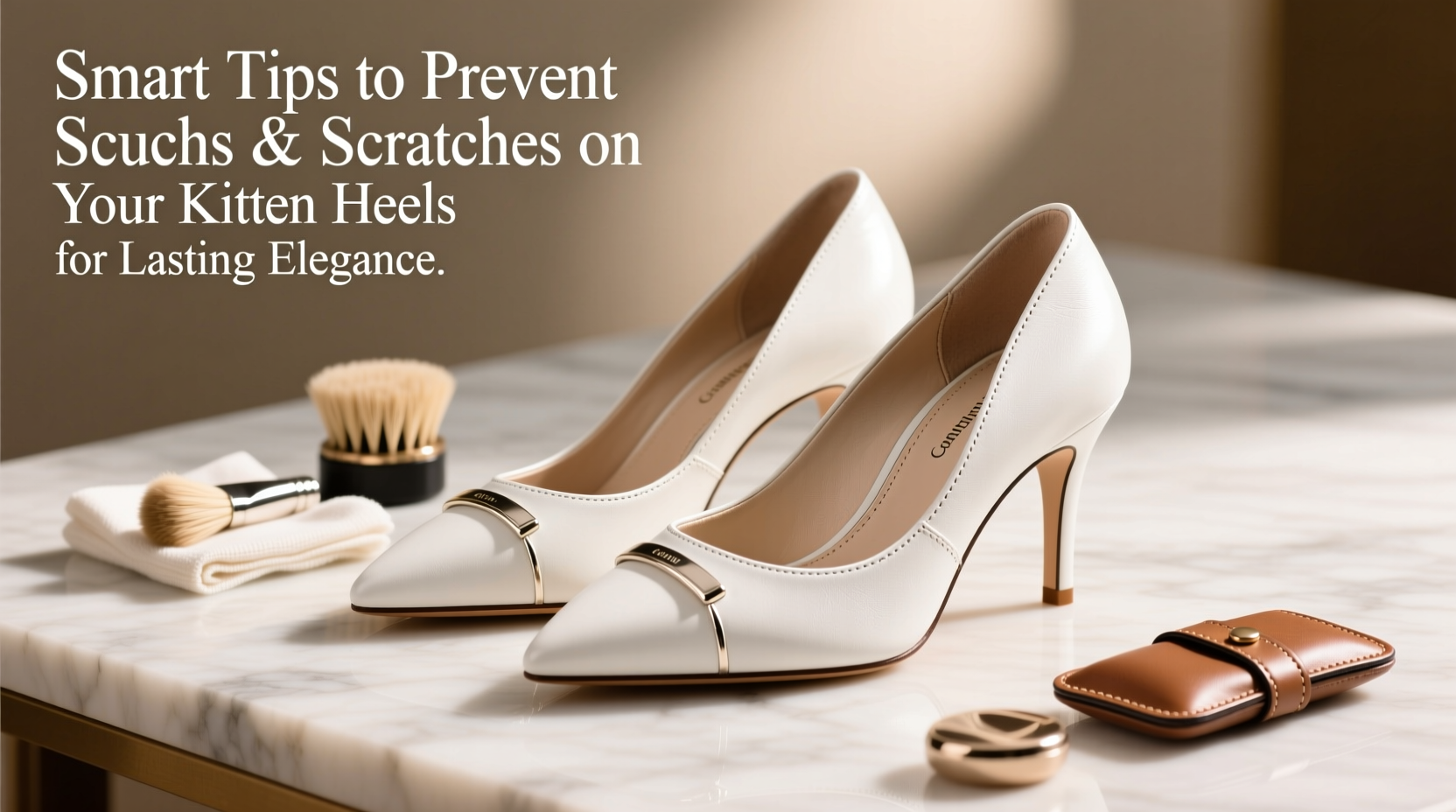
Kitten heels typically feature slender, tapered heels between 1.5 and 2 inches in height, often made from stacked leather, wood, or resin. Their compact design places more pressure on a smaller surface area compared to block heels, making the heel tip prone to chipping or cracking. Additionally, many kitten heels are crafted from patent leather, suede, or satin—materials that show even minor abrasions clearly. The toe box, especially if pointed, is also at risk from repeated contact with flooring or carpeting during walking.
Every step creates micro-friction. Over time, this wears down protective coatings and exposes raw material. Moisture, dust, and uneven surfaces accelerate damage. Recognizing these vulnerabilities allows you to take preventive action before visible wear occurs.
“Kitten heels are elegant by design, but elegance requires maintenance. A little daily attention prevents major repairs later.” — Lila Montgomery, Footwear Conservator & Restoration Specialist
Smart Daily Habits to Minimize Wear
Preventing scuffs starts long before you step outside. How you handle your kitten heels in routine moments determines their longevity.
Avoid stepping backward or shuffling across hard floors—this grinds the heel base against tile or hardwood, leading to chipped edges. Instead, lift your feet fully when walking indoors. Rotate your shoes regularly; wearing the same pair multiple days in a row doesn’t give materials time to recover from compression and moisture buildup.
- Use a shoe horn to avoid crushing the back counter (heel cup), which weakens structural support.
- Clean soles after each wear to remove grit that can scratch flooring—and be tracked back onto delicate uppers.
- Never force your foot into tight-fitting kitten heels; stretched seams invite early deterioration.
The Role of Walking Technique
Believe it or not, your gait influences shoe wear. Landing heavily on your heel increases impact on the heel tip. Try to roll through the step smoothly from heel to toe. This reduces shock and minimizes scraping. On slippery surfaces like marble or polished concrete, walk with slightly shorter strides to maintain control and prevent slipping that leads to side scuffs.
Protective Measures for High-Risk Areas
The toe cap and heel base endure the most frequent contact. Proactive protection here pays dividends.
Apply transparent silicone heel caps to shield the bottom inch of the heel. These act as sacrificial layers, absorbing wear instead of your original finish. Replace them every few months or when worn thin. For patent leather toes, consider clear vinyl toe guards—nearly invisible but highly effective against sidewalk scuffs.
| Area | Risk | Protection Method |
|---|---|---|
| Heel Tip | Chipping, splitting | Silicone heel protectors |
| Toe Box | Scuffing, fading | Clear vinyl toe guards |
| Sole Edges | Dirt buildup, abrasion | Regular cleaning + edge sealant |
| Upper (Suede) | Water stains, scratches | Suede protector spray |
For suede or nubuck kitten heels, use a fabric protector spray monthly. It forms an invisible barrier against water and light abrasion without altering texture. Reapply after exposure to rain or heavy humidity.
Step-by-Step Shoe Care Routine
Consistency beats intensity. A short, regular maintenance routine does more than occasional deep cleaning.
- After each wear: Wipe down uppers with a soft, dry cloth. Remove dirt from soles using a soft brush.
- Weekly: Clean patent leather with a damp microfiber cloth and mild soap. Dry immediately. For suede, use a brass brush to lift nap and remove surface marks.
- Monthly: Inspect heel tips and toe guards for wear. Reapply protective sprays. Buff leather with a conditioning cream to prevent drying.
- Seasonally: Deep clean and condition all materials. Store properly with shoe trees or stuffing to maintain shape.
Storage Solutions That Prevent Damage
How you store your kitten heels impacts their shape and surface integrity. Stacking shoes or leaving them loose in a closet invites accidental scuffing. Use individual dust bags—preferably cotton, not plastic—to allow airflow while shielding from dust.
Store in a cool, dry place away from direct sunlight, which fades colors and dries out adhesives. Avoid humid basements or hot attics. If you own multiple pairs, rotate them into use every few weeks to prevent stiffness and creasing.
Insert shoe trees or tissue paper stuffing to maintain the shoe’s natural shape. This prevents wrinkling at stress points like the ball of the foot and keeps the arch supported.
Real Example: The Office Commuter’s Fix
Sophie, a marketing executive in Chicago, loved her black patent kitten heels but noticed scuffing after only three weeks of daily subway commutes. She was stepping off platforms onto rough concrete, dragging her toes slightly due to rushed pacing. After consulting a cobbler, she added clear toe guards and switched to flats for transit, changing into heels once inside her office. Within a month, new scuffs stopped appearing. Six months later, her heels still looked nearly new—proof that small adjustments yield big results.
Essential Do’s and Don’ts Checklist
“Prevention is always cheaper and easier than restoration.” — Rafael Nguyen, Master Cobbler, Boston Shoe Repair Guild
✅ Do:
- Use heel and toe protectors
- Clean gently after each wear
- Store in breathable dust bags
- Rotate your shoe collection
- Walk with a smooth, controlled gait
❌ Don’t:
- Wear kitten heels in heavy rain or snow
- Store them in plastic bins or under other shoes
- Use abrasive cloths or harsh chemicals
- Walk backward or shuffle in them
- Ignore early signs of sole separation
Frequently Asked Questions
Can I repair a scuffed patent leather kitten heel at home?
Minor scuffs on patent leather can often be buffed out with a microfiber cloth and a drop of petroleum jelly or specialized patent leather conditioner. Gently rub in circular motions, then wipe clean. Avoid excessive moisture. For deep scratches, professional refinishing may be needed to restore the high-gloss finish.
How often should I replace heel tips?
Inspect heel tips every 4–6 weeks if worn weekly. Replace them when you notice flattening, cracking, or loss of grip. Waiting too long risks damaging the heel shaft, which is costlier to fix. Replacement takes minutes and costs under $10 at most cobblers.
Are kitten heels suitable for long walks?
While more comfortable than stilettos, kitten heels aren’t designed for extended walking. Limit continuous wear to 3–4 hours on hard surfaces. For longer outings, switch to supportive flats or low wedges. Overuse leads to both foot fatigue and accelerated shoe wear.
Preserve Elegance Through Intentional Care
Kitten heels symbolize timeless grace—a subtle lift that enhances posture and polish. But their beauty is fragile unless protected by mindful habits. From choosing the right protectors to refining your stride, each action contributes to lasting elegance. You don’t need expensive tools or hours of effort. Just consistency, awareness, and a commitment to treating your footwear with respect.
Your shoes reflect your standards. When you invest in preservation, you’re not just protecting leather and stitching—you’re honoring the craftsmanship behind every pair. Start today: inspect your favorite pair, apply a heel guard, and store them properly. Small steps lead to years of effortless style.




 浙公网安备
33010002000092号
浙公网安备
33010002000092号 浙B2-20120091-4
Comments
No comments yet. Why don't you start the discussion?